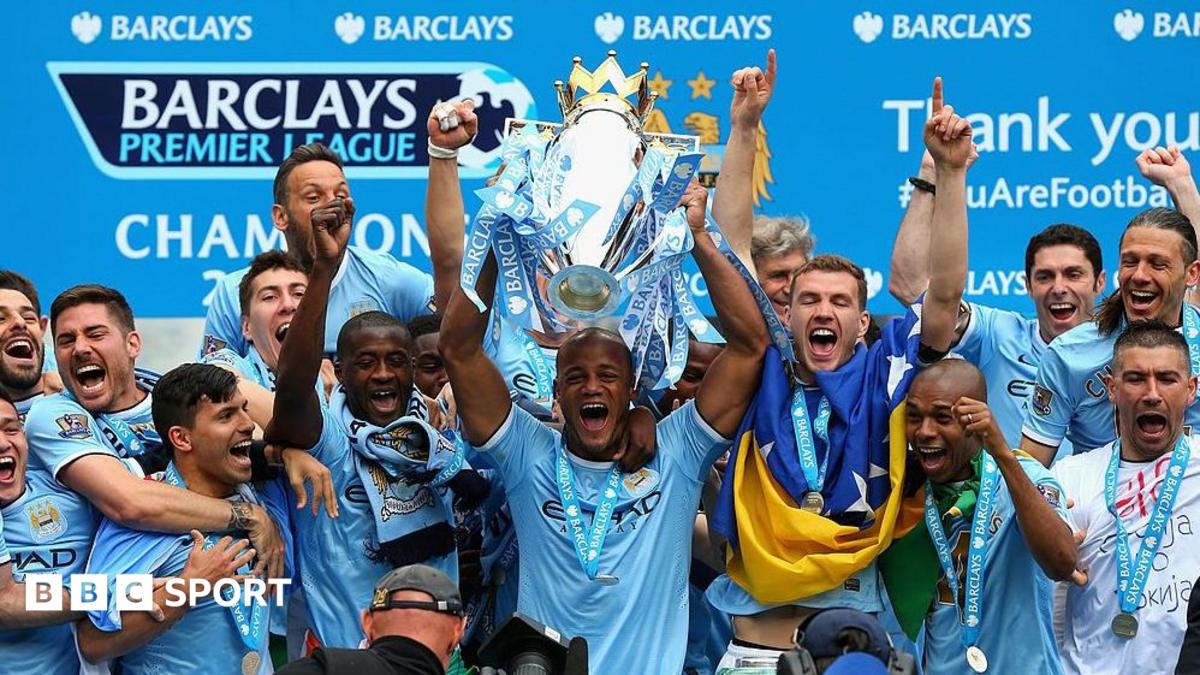

Manchester City 'Guilty on 114 of 115 Charges' — Haaland Future in Focus
According to a report from El Nacional, Manchester City have been found guilty on 114 of the 115 charges brought against them by the Premier League. If that finding were upheld and enforced in full, it would raise immediate questions about Erling Haaland's future and Barcelona's transfer hopes.
- Reported outcome: City found guilty on 114 of the 115 Premier League charges, per El Nacional
- Possible sanctions: Fines, points deduction, or administrative relegation
- Player at risk: Erling Haaland, tied to City until 2034
- Representative hint: Rafaela Pimienta indicated Haaland could leave from 2030 if he wishes
- Watching club: Barcelona are said to be monitoring the situation
- Clause detail: No special release clause tied specifically to relegation
Deal details
The source does not report an active transfer, bid or negotiation for Haaland, so no fee or contract stage applies. What it does describe is a contractual and sporting context that would make any departure easier to negotiate — not a completed deal.
Haaland is tied to Manchester City until 2034. According to the source, there is no special release clause tied specifically to relegation, although a harsh sanction would clearly make any exit easier to agree. The article also points to comments from his representative, Rafaela Pimienta, indicating Haaland could leave from 2030 if he wishes. Barcelona are said to be watching closely and to still harbour the ambition of signing a leading centre-forward in the years ahead.
Why this report would shake City's foundations
The immediate threat is not the punishment alone but the uncertainty surrounding it. Fines would damage the balance sheet. A points deduction would change the competitive picture in a single season. Administrative relegation, however, would tear through the club's present and future at once, removing the European football that players of Erling Haaland's level are built around.
City could, in theory, keep paying elite wages even in the second tier. The deeper issue is sporting ambition. Haaland is the goalscorer around whom so much of City's image has been built, and a fall into the second tier would transform the environment around him while almost certainly closing the door on European nights for a period. That combination is what turns a legal story into a transfer story.
The contract that ties him to the club until 2034 is designed to project certainty, a deal so lengthy it feels surreal in a sport that rarely deals in permanence. Yet the source is clear that football has always found a way to bend around extraordinary circumstances. If the foundations shake, even the most watertight agreement starts to look vulnerable — and, critically, the absence of a relegation-specific release clause cuts both ways.
Why Barcelona's interest suddenly matters
As ever in football, uncertainty at one giant club invites hope at another. Barcelona are not leading with a bid here, but the source says they are watching closely and maintain the ambition of signing a leading centre-forward in the years ahead, with Haaland long associated with that dream.
Complications are obvious. Barcelona's financial picture has hardly been straightforward, and any move for a striker of Haaland's stature would test even the boldest recruitment plan. This is how elite transfer stories begin, with a murmur of possibility rather than a clear route to completion. But the timing is the point. If City's status changes dramatically, the question shifts from whether a deal is possible to whether one becomes unavoidable.
Haaland may not be the only City player drawing admiring glances if the situation deteriorates. The source flags that as the hidden danger: once vulnerability enters the conversation, rivals start scanning the squad, agents start weighing scenarios and certainty starts to erode across a group assembled with enormous care and expense.
Talking points
- Does the absence of a relegation release clause actually protect City, or does it simply hand the negotiating power to whichever club makes the first serious move?
- City could keep paying elite wages in the second tier — but can any club hold a player who measures a season by Champions League nights?
- Barcelona's finances have rarely allowed a deal of this size, so is their interest genuine ambition or opportunistic positioning while City are exposed?
- If appeals and due process are still live, how much damage is being done to City's standing simply by allowing the matter to hang in the air?
What happens next
The decisive step is the appeal and enforcement process. Until every avenue is exhausted, City supporters will cling to the hope that process and due scrutiny still matter, but if the report proves accurate in substance and consequence the club's status, and Haaland's future, could be redefined for years. In the transfer market, Barcelona and rival recruiters will watch that process as closely as anything on the pitch.
Frequently asked questions
How many Manchester City charges have they been found guilty of?
According to El Nacional, City have been found guilty on 114 of the 115 charges brought against them by the Premier League, a development that would send a shockwave through English football if upheld and enforced in full.
Could Erling Haaland leave Manchester City if they are relegated?
There is no special release clause tied specifically to relegation in his contract, according to the report, but a harsh sanction would clearly make any departure easier to negotiate. His representative, Rafaela Pimienta, is said to have indicated he could leave from 2030 if he wishes.
Is Barcelona interested in signing Erling Haaland?
Barcelona are said to be watching closely, and the Catalan side still appear to harbour the ambition of signing a leading centre-forward in the years ahead, with Haaland long associated with that dream.
Related Articles
Filed under: Latest News | LA Premier League Home