Manchester City aren't buying players; they're buying future compliance
The Iliman Ndiaye transfer isn't a footballing decision. It's an accounting spell, a £65m incantation designed to keep the Premier League's profit and sustainability rules (PSR) at bay while hoarding another rival's best asset. This isn't ambition; it's a loan-note culture where the biggest clubs no longer merely outspend—they out-leverage, out-defer, and out-structure everyone else into submission.
From sugar daddies to swap-meet financiers
Twenty years ago, Roman Abramovich's Chelsea simply wrote cheques. Transfer fees, agent fees, wages—all paid upfront, or at least within the financial year. That era is dead. The new lords of the Premier League don't spend cash; they manufacture spreadsheets. When Manchester City swap Jack Grealish for Ndiaye and call it a day, they're not sacrificing a winger—they're converting an amortisation headache into a fresh contract with friendlier numbers.
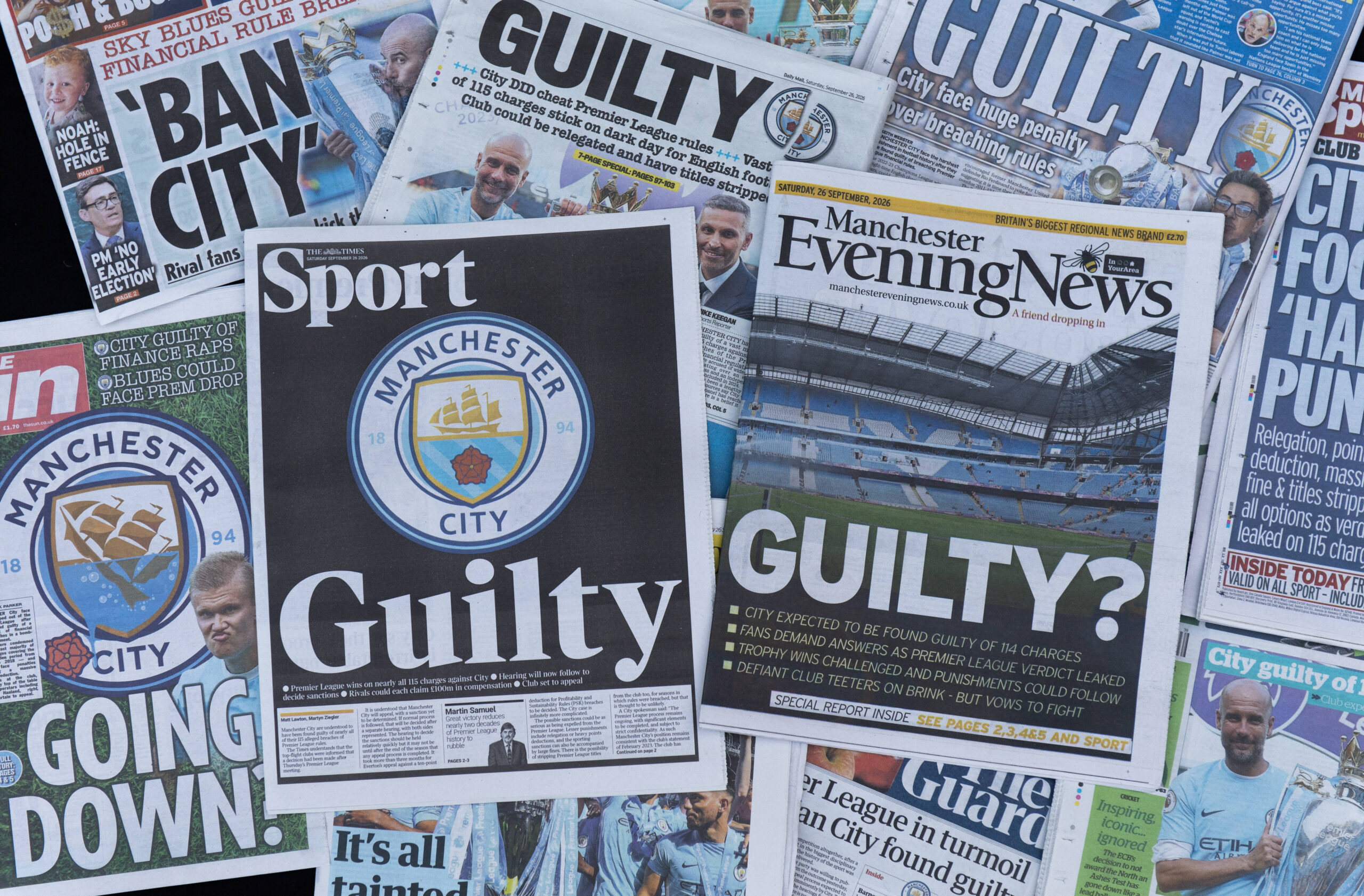
This is the loan-note culture: clubs signing players with deferred payments, sell-on clauses, and swap deals that artfully dodge the spirit of financial fair play. The Football Leaks disclosures of 2018 exposed City's creative accounting. Yet the club has evolved—not into transparency, but into a more sophisticated opacity. The Ndiaye-Grealish exchange is the latest example: a deal that keeps both clubs' books vaguely balanced, while City walk away with a younger, more marketable asset.
The argument: this isn't clever, it's corrosive
What we witnessed on deadline day wasn't a football transaction; it was a financial instrument wearing a tracksuit. Man City's new sporting structure, headed by Hugo Viana, has mastered the art of the paper move. They flipped Grealish's colossal wages and amortised fees onto Everton while simultaneously absorbing Ndiaye's remaining value. That's not a transfer—that's a leveraged buyout of a rival's asset, executed with the compliance department's blessing.
- Everton, under fan pressure, sell their crown jewel to balance PSR—again. They did it with Anthony Gordon, now Ndiaye. Same script.
- City, meanwhile, dodge a points deduction by offloading an ageing, overpaid Grealish—while still landing a £65m talent.
- Tottenham follow suit, taking Mudryk on loan from Chelsea, spreading the cost of a failed asset across multiple windows.
This is the new normal: the rich don't buy—they lease, swap, and defer. The Premier League's PSR rules were meant to stop clubs from spending beyond their means. Instead, they've incentivised a bizarre form of player-trading that treats footballers like bonds to be shuffled between portfolios.
Counter-argument: it's just smart business, or is it?
Defenders will say this is merely prudent management. Clubs must comply with PSR, and swap deals reduce cash outlay. Everton acquire a proven Premier League player in Grealish; City get Ndiaye. Everyone wins, right? But that's the propaganda of the financialised game. The truth is that these deals concentrate power further upstream. City aren't swapping Grealish for Ndiaye because they think it improves their squad—they're doing it because Grealish's £300k-a-week wages were crushing their wage-to-turnover ratio, and Ndiaye's profile allows them to book a profit on the swap.
Everton, in contrast, are selling to survive. Their new owners may celebrate signing Grealish, but they're inheriting a financial albatross. This isn't mutually beneficial; it's a bank takeover disguised as football. The Premier League's own rules have created a system where the biggest clubs act as repositories of talent, strip-mining smaller clubs while claiming to be good stewards of the game.
Verdict: watch for the next PSR panic
My prediction: within three years, the Premier League will scrap PSR for a luxury tax model, because the current system is gamed beyond repair. City, Chelsea, and the hedge-fund owners of United will push for something that legitimises their excesses, while clubs like Everton are squeezed into a permanent state of selling. The Ndiaye swap will be remembered as the moment the league stopped pretending financial fairness existed.
Related Articles
Filed under: Opinion | LA Premier League Home