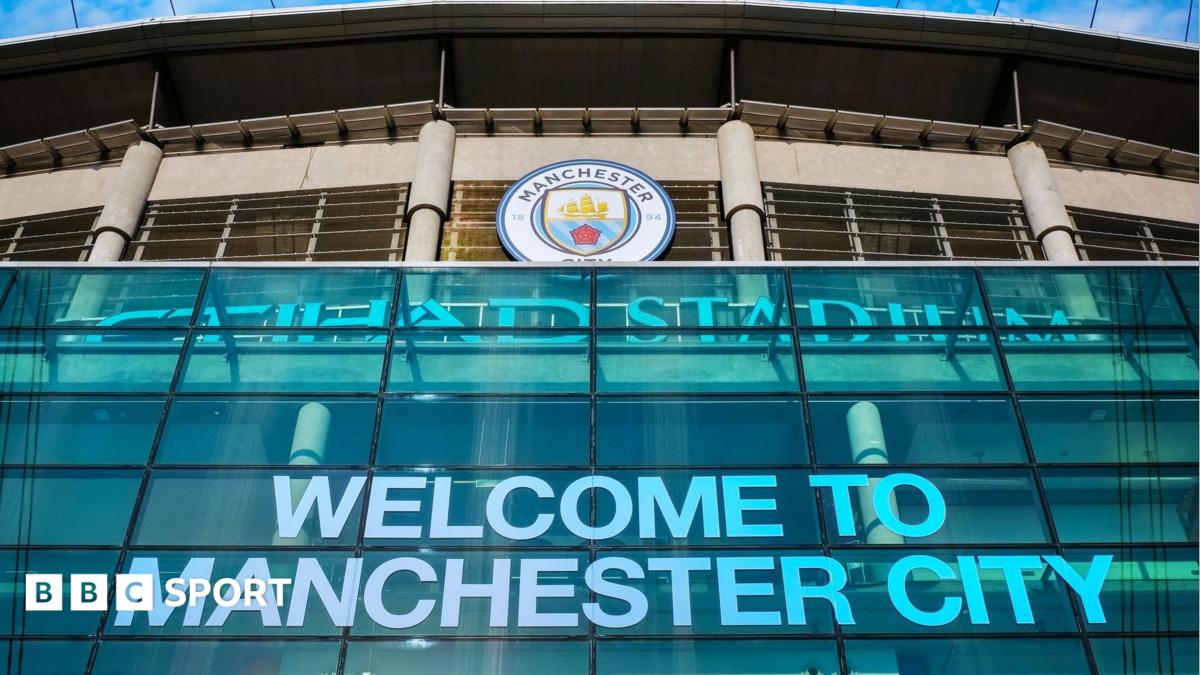

The Premier League's 115 charges against Manchester City are not about fairness. They're about power.
When Khaldoon Al Mubarak broke his silence this week, he didn't defend City's accounts. He challenged the Premier League's right to judge them at all. That's the real battle: not rule-breaking, but sovereignty.
The Premier League built this monster, then lost control.
Since 2008, City have spent over £2bn on transfers, funded by Abu Dhabi's bottomless wealth. But the Premier League invited them in. Clubs voted for the takeover. Broadcasters sold the product. City's rise delivered global audiences. Now, faced with 115 charges, the league wants to retroactively apply rules it failed to enforce. It's like a landlord who ignored a tenant's illegal renovations for a decade, then demands demolition.
The charges cover 2009–2018, a period when City won three titles. The Premier League's own handbook was vague on associated-party transactions. UEFA's FFP rules were struck down by the Court of Arbitration for Sport in 2020. City's lawyers will argue the league's case is built on shifting sand.
City's defence is a constitutional challenge, not a denial.
Khaldoon's statement was telling: 'The club will prove its innocence.' He didn't say 'we followed the rules.' He said the process is flawed. City have already challenged the Premier League's arbitration panel. They've questioned the independence of the disciplinary commission. They're not fighting the charges; they're fighting the referee.
- Precedent: In 2020, CAS overturned UEFA's two-year ban, ruling that 'most of the alleged breaches were either not established or time-barred.' City's legal team knows how to exploit procedural weakness.
- Power: City's owner, Sheikh Mansour, is a deputy prime minister of the UAE. The club is a geopolitical asset. The Premier League is a members' association. Who blinks first?
- Timing: A points deduction this season would hand the title to Arsenal or Liverpool. City's appeal would drag into 2026. The league's credibility is on the line either way.
The counter-argument: City cheated, and the league must act.
The Premier League's case is that City concealed payments to players and managers, inflated sponsorship deals, and failed to cooperate. If proven, that's not just rule-breaking — it's fraud. The league's independent commission has spent years on this. To dismiss it as a witch-hunt is to ignore the evidence.
But here's the problem: the Premier League approved those same sponsorship deals. It signed off on City's accounts. It let them play in the Champions League. The league isn't a victim; it's an accomplice. And now it wants to retroactively punish a club for exploiting loopholes it created. That's not justice; it's a power grab by clubs who fear City's wealth.
Verdict: City will escape a points deduction, and the Premier League will fracture.
My prediction: Manchester City will not receive a points deduction this season. The case will be settled or kicked into the long grass of appeals. But the damage is done. The Premier League's 'fairness' brand is dead. Clubs like Newcastle and Aston Villa will demand a new settlement. The Big Six will threaten a breakaway. And City will keep winning — on and off the pitch. The only question is who blinks first. I say the Premier League does.
Related Articles
Filed under: Opinion | LA Premier League Home