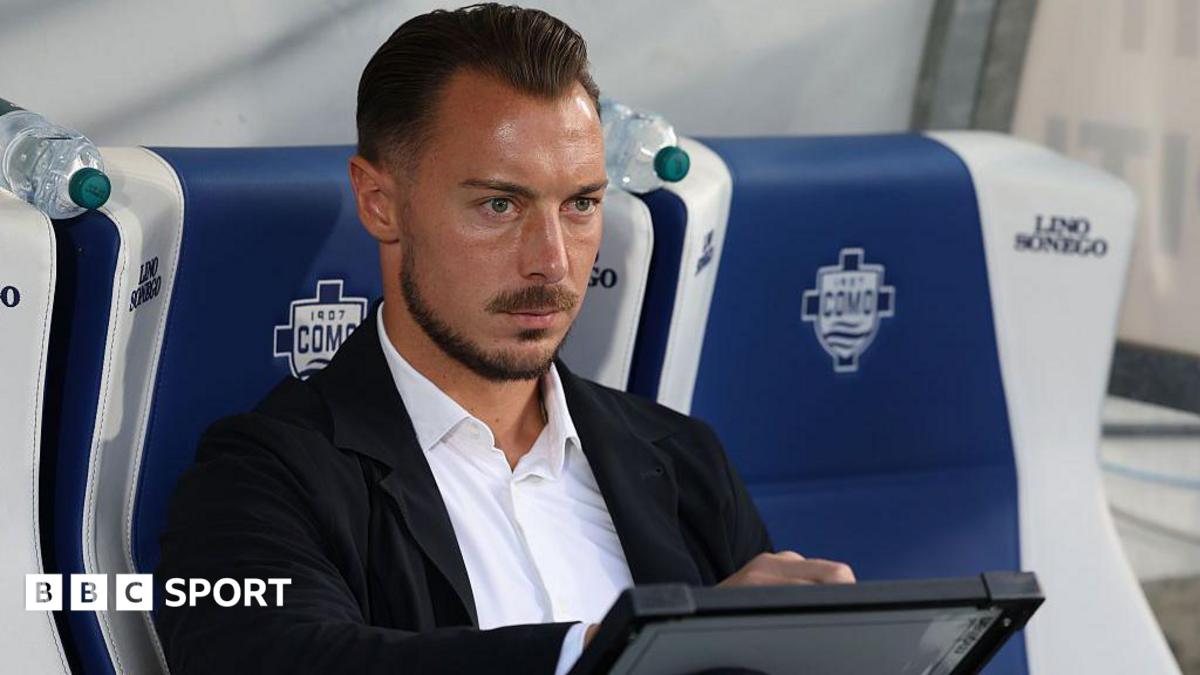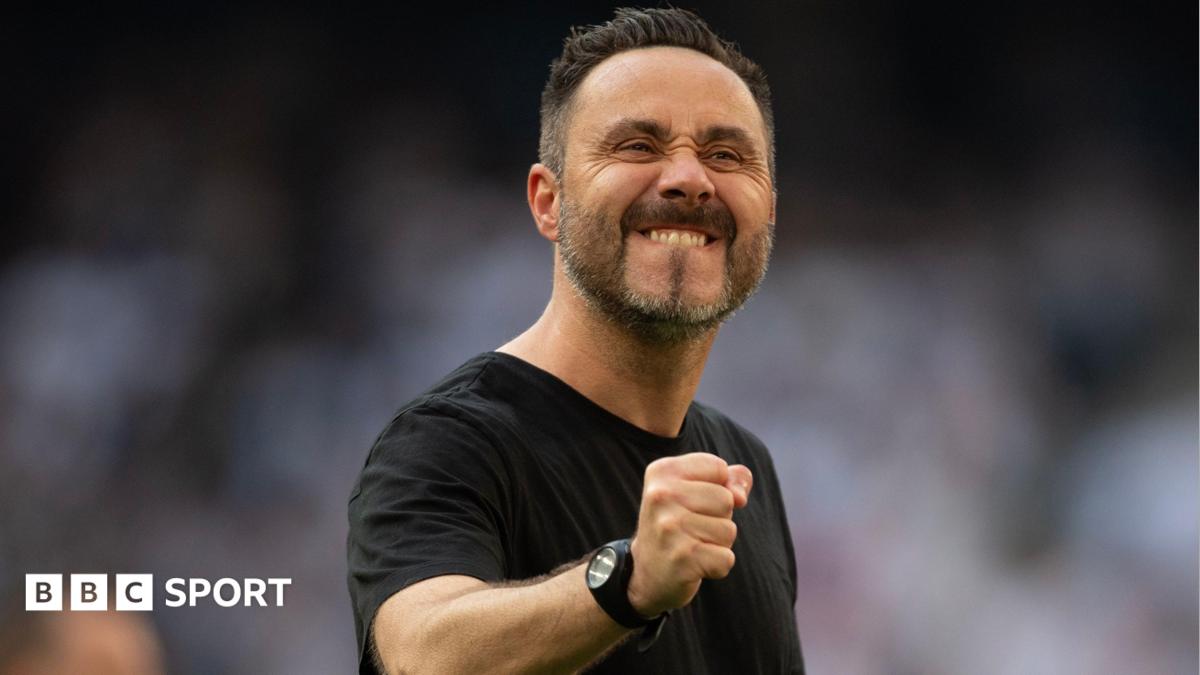

Ex-Chairman Defends Rosenior Exit: It Was the Right Call
A former EFL club chairman has broken his silence on the dismissal of Liam Rosenior, declaring he has zero regrets. The decision, he insists, was driven by the manager's overly cautious, 'boring' style of play that failed to excite fans.
Rosenior, who was sacked in 2024 after leading Hull City to a seventh-place finish in the Championship, had transformed the Tigers into a solid but unadventurous side. The chairman believes results alone weren’t enough.
Style Over Substance: Why Rosenior’s Football Didn’t Work
Rosenior’s Hull averaged just 1.3 goals per game in his final season, with a possession-based approach that prioritised safety over incisiveness. Despite a strong defensive record – 15 clean sheets – the team often failed to break down low blocks.
Data from the 2023/24 campaign shows Hull completed 82% of passes in their own half but only 68% in the final third. This imbalance made matches turgid, with long periods of sideways passing.
“Fans pay hard-earned money to be entertained,” the chairman told The Sun. “We wanted attacking football, not a passing drill. That’s why we pulled the trigger.”
Results vs. Entertainment: The Age-Old Conflict
Rosenior’s record was respectable – 19 wins in 46 league matches – but the club’s hierarchy saw a ceiling under his stewardship. The board feared that without a stylistic shift, attendances and commercial revenue would stagnate.
Comparisons can be drawn to Tony Pulis’s tenure at Stoke City. While Pulis kept Stoke in the Premier League for years, his defensive approach eventually led to a parting of ways when the club sought more expansive football.
Similarly, Hull’s decision to sack Rosenior mirrored Chelsea’s ruthlessness with Roberto Di Matteo after the 2012 Champions League win, where short-term success wasn’t deemed sustainable.
What This Means for EFL Managers
The episode underscores a growing trend in the EFL: owners prioritise style alongside results. A manager can meet points targets but still face the axe if the football is deemed unattractive.
- Managers now face pressure to produce both clean sheets and thrilling attacks – a tough balancing act.
- Clubs increasingly hire 'head coaches' with defined tactical identities, as seen with Kieran McKenna at Ipswich and Enzo Maresca at Leicester.
- Analytics departments assess not just expected goals (xG) but 'entertainment metrics' like high turnovers and shot volume.
The Verdict: Was the Sacking Justified?
In the chairman’s view, absolutely. “I’d rather lose 4-3 than win 1-0 with 25% possession,” he stated. For Hull, the gamble paid off: they appointed an attacking-minded successor and finished in the playoff places this season.
Ultimately, Rosenior’s case serves as a warning that in modern football, a manager must deliver results and entertainment. The days of purely defensive football being acceptable are waning, especially outside the top flight.
Related Articles
Filed under: Manager News | LA Premier League Home