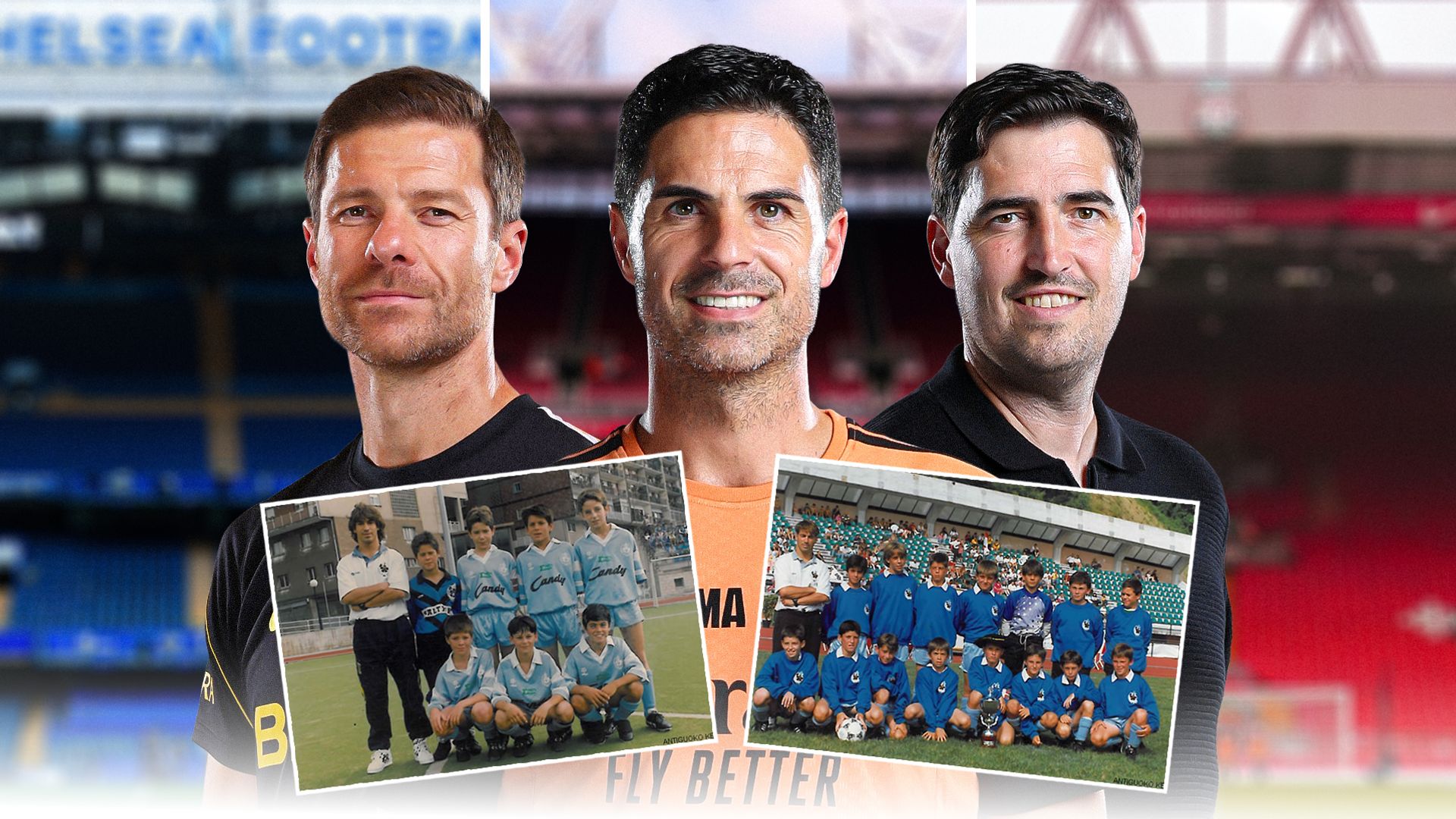
The Cradle of Coaching Talent
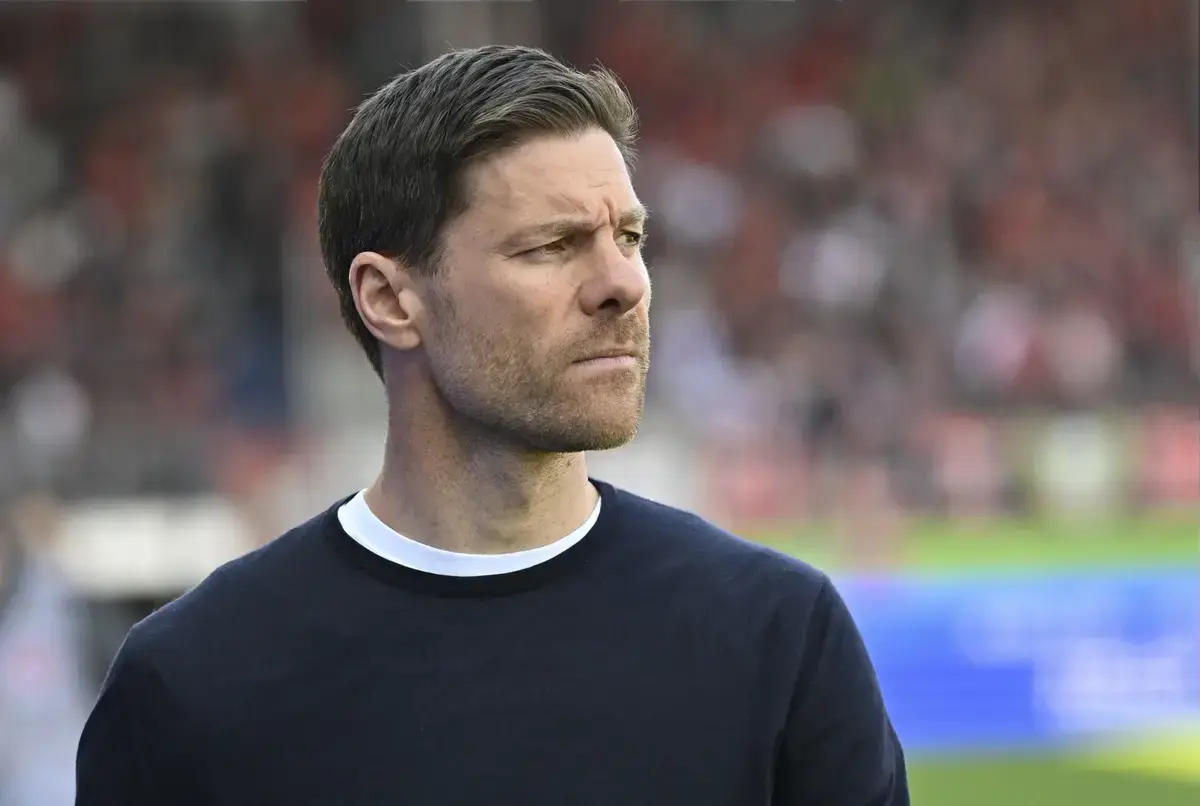
Between a row of white apartment buildings and an artificial pitch in the green hills of Berio, San Sebastian, lies the humble home of Antiguoko – a club that nurtured three of the Premier League's most respected managers: Mikel Arteta, Xabi Alonso, and Andoni Iraola.
This neighbourhood club, with its modest facilities and tight-knit community, has become a remarkable talent factory. Its alumni now lead Arsenal, Bayer Leverkusen, and Bournemouth, shaping the tactical landscape of European football.
The Antiguoko Identity
Antiguoko's philosophy is rooted in technical excellence and positional intelligence – traits that later defined the coaching careers of its most famous graduates. The club's emphasis on ball mastery and spatial awareness mirrors the principles these managers now implement at elite level.
Arteta's meticulous positional play at Arsenal echoes his formative years. Alonso's tactical flexibility at Leverkusen bears the hallmark of his Basque football education. Iraola's aggressive pressing at Bournemouth reflects the intensity instilled in him from a young age.
Local coaches remember a young Arteta and Alonso as dedicated, intelligent players who absorbed every training session. Their development was shaped by Antiguoko's competitive environment, where technique was prized over physicality.
From Berio to the Premier League
Each coach took a different path to the top. Arteta moved to Barcelona's youth system before returning to the Basque Country with Real Sociedad, eventually captaining Arsenal. Alonso's passing range earned him moves to Liverpool and Real Madrid before he transitioned into management.
Iraola, a former Athletic Bilbao right-back, gained coaching experience in Spain's lower divisions before his high-pressing style caught Bournemouth's attention. His recent Premier League success has been built on the same attacking principles he learned at Antiguoko.
A Model for Youth Development
Antiguoko's success offers lessons for English academies. The club focuses on small-sided games, encouraging creativity and decision-making. Coaches prioritise individual development over youth results, a philosophy that helped produce ball-playing defenders and midfielders.
By contrast, many Premier League academies emphasise winning at youth level, sometimes at the expense of technical growth. Antiguoko's example suggests that patience and skill development can yield long-term dividends.
The Impact on Modern Football
The emergence of Arteta, Alonso, and Iraola as top-level managers signals a shift towards technically-driven, positionally-structured football. All three have implemented versions of the Basque football doctrine: control through possession, intelligent pressing, and proactive substitutions.
Their influence extends into the Fantasy Premier League, where their tactical choices can significantly impact player output. For instance, Iraola's Bournemouth have become a favourite source of budget defenders and midfielders due to their organised pressing.
Key Takeaways
- Antiguoko's technical curriculum develops football intelligence and adaptability.
- Arteta, Alonso, and Iraola share core tactical principles rooted in their Basque upbringing.
- The club's success challenges the win-at-all-costs mindset of many youth academies.
- Their coaching styles continue to shape the Premier League's tactical landscape in 2025-26.
Looking Ahead
Antiguoko's alumni are now among the most influential coaches in Europe. As Arteta challenges for the Premier League title and Iraola impresses with Bournemouth, their formative club remains a symbol of football's ability to develop visionaries from modest beginnings.
The next generation at Antiguoko is already watching closely, dreaming of following in the footsteps of these three legends.
Related Articles
Filed under: Club News | LA Premier League Home