
The 2023-24 Championship campaign was always going to be a litmus test for Hull City. Under the ambitious ownership of Acun Ilıcalı, the Tigers were expected to evolve from perennial floaters into genuine promotion contenders. While the final league position of 7th, agonisingly short of the play-offs, tells a story of near-misses, the underlying numbers paint a more nuanced picture of a club in transition, one that has finally shed its skin as a yo-yo club and embraced a more progressive, data-driven philosophy.
The Attacking Output: A Double-Edged Sword
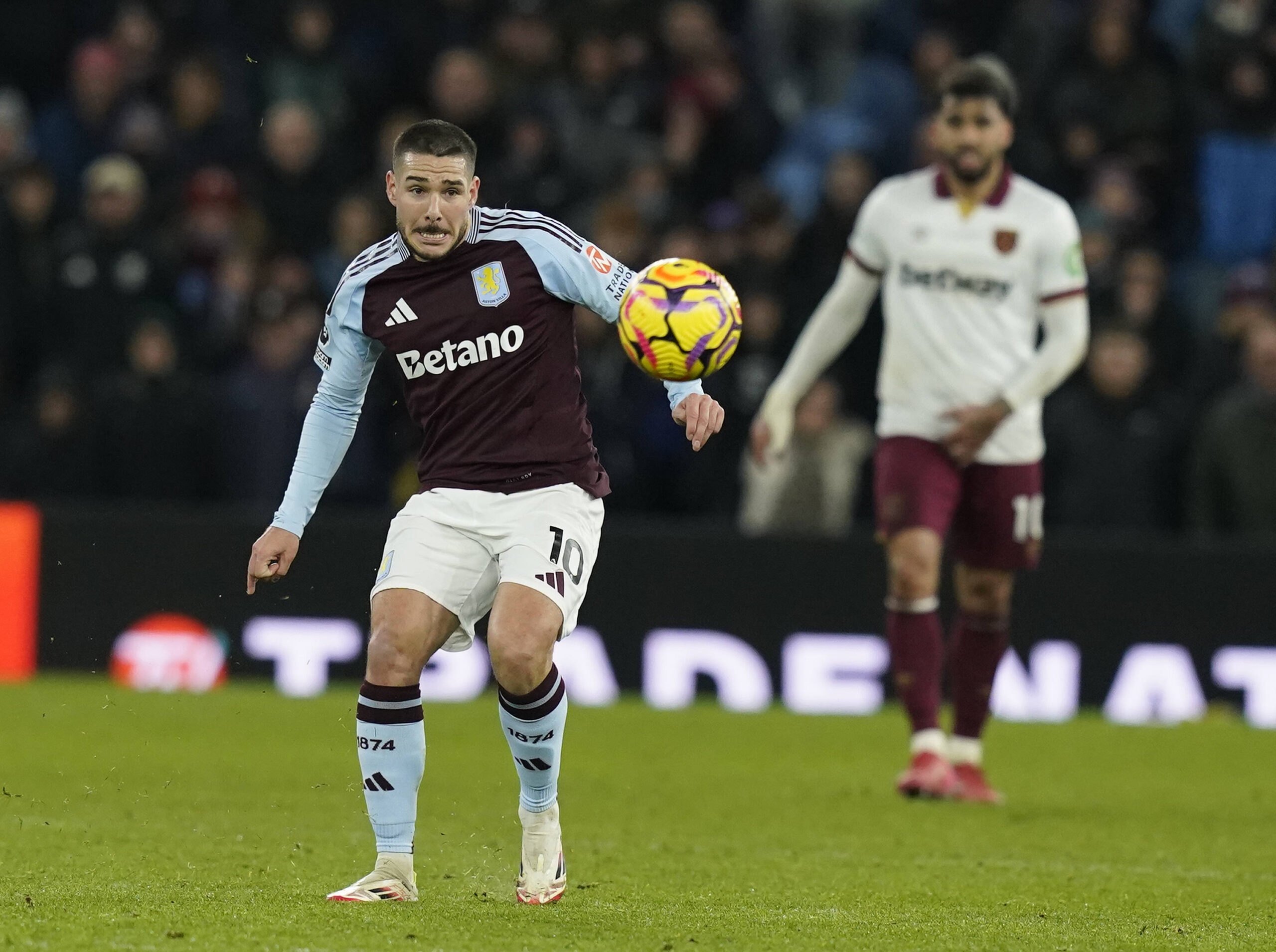
Perhaps the most striking statistic from the season is the 70 goals scored, a figure that represents the club's highest tally in the second tier since the 2012-13 promotion season under Steve Bruce. That campaign, which culminated in a Wembley triumph over Sheffield United, was built on the prolific partnership of Robert Koren and George Boyd. This time, the goals were more evenly distributed, with 16 different scorers contributing to the cause. The creative hub was undoubtedly Turkish international Ozan Tufan, whose 10 league goals from midfield made him the club's top scorer, while the mercurial Jaden Philogene chipped in with 8 before his big-money move to Aston Villa in January.
Yet, the same attacking verve that thrilled the MKM Stadium faithful often proved to be Hull's undoing. The 58 goals conceded – the worst record among the top 10 sides – highlighted a chronic defensive fragility. This wasn't a case of a high-risk, high-reward system failing; rather, it was a squad that lacked the necessary balance between defensive solidity and attacking freedom. The statistics bore this out: Hull ranked in the bottom half of the division for expected goals against (xGA), a metric that suggests the problem wasn't just individual errors, but a systemic issue with how the team pressed and protected its back line.
Possession and Pressing: The Liam Rosenior Identity
Under Liam Rosenior, who was dismissed in May, Hull City became one of the most possession-dominant sides in the Championship. Their average of 58.3% possession was the third-highest in the division, behind only Southampton and Leicester City. This represented a seismic shift from the pragmatic, counter-attacking style that had characterised the club's previous stints in the league. Rosenior, a disciple of the modern coaching school, sought to control games through patient build-up and positional play, a philosophy that often produced aesthetically pleasing football but occasionally lacked a killer instinct in the final third.
The pressing numbers were equally revealing. Hull's passes per defensive action (PPDA) – a metric measuring how many passes an opponent is allowed before a defensive action – was among the lowest in the league, indicating a proactive, high-pressing approach. This was a deliberate strategy to win the ball high up the pitch, but it also left space in behind for faster, more direct opponents to exploit. The paradox of Rosenior's tenure was that his team could dominate possession against the league's elite yet look desperately vulnerable against organised low-blocks on the counter.
Home and Away: A Tale of Two Fortresses
The MKM Stadium, once a fortress under Bruce and later under Grant McCann, became a venue of frustration. Hull's home record of 10 wins, 6 draws, and 7 defeats was their worst in a single season since returning to the Championship in 2021. Only 34 of their 70 goals were scored in front of their own fans, and they dropped a staggering 22 points from winning positions at home – a statistic that ultimately cost them a top-six finish.
Conversely, the away form was unexpectedly robust. With 8 wins on the road, including memorable victories at Middlesbrough and West Bromwich Albion, Hull displayed a resilience that had been lacking in previous campaigns. This dichotomy suggests a mental fragility when expected to take the game to the opposition, a trait that new head coach Tim Walter will need to address. The German, known for his intense, gegenpressing style at Hamburg, will likely demand more ruthlessness in front of goal, especially at the MKM Stadium where the Tigers' xG differential was worryingly negative.
Set Pieces and Discipline: The Fine Margins
Another telling statistic was Hull's record from set pieces. They scored 12 goals from dead-ball situations, ranking in the top half, but they also conceded 14 – the joint-highest in the division. This discrepancy was a constant source of frustration for fans, who watched their team dominate games only to be undone by a poorly defended corner or free-kick. In tight play-off races, such fine margins are often the difference, and it's an area Walter will undoubtedly look to shore up with new signings.
Discipline was also a concern. The Tigers accumulated 84 yellow cards and 4 red cards, with defensive midfielder Jean Michaël Seri serving two suspensions. While not the dirtiest team in the league, their fouling often came in dangerous areas, a byproduct of a high-pressing system that occasionally left players exposed. The balance between aggression and control will be a key tactical battle for the new coach.
A Statistical Glimpse into the Future
As Hull City prepare for another assault on the Championship, the numbers from last season provide both a warning and a blueprint. The attacking output and possession stats suggest a squad capable of competing with the best, but the defensive fragility and home form must be rectified. With Acun Ilıcalı's continued investment and the appointment of a coach in Walter who prioritises proactive football, the Tigers will be expected to challenge for the top six once more.
The key will be finding a system that maintains the club's new-found identity while addressing the glaring weaknesses. Whether that means a more pragmatic approach in certain matches or the recruitment of a commanding centre-back to organise the rearguard remains to be seen. But one thing is certain: the statistics from the 2023-24 campaign have laid bare the challenges ahead. The next chapter for the Tigers promises to be defined not by data, but by how effectively they translate these lessons into results on the pitch.
Related Articles
Filed under: Club News | LA Premier League Home