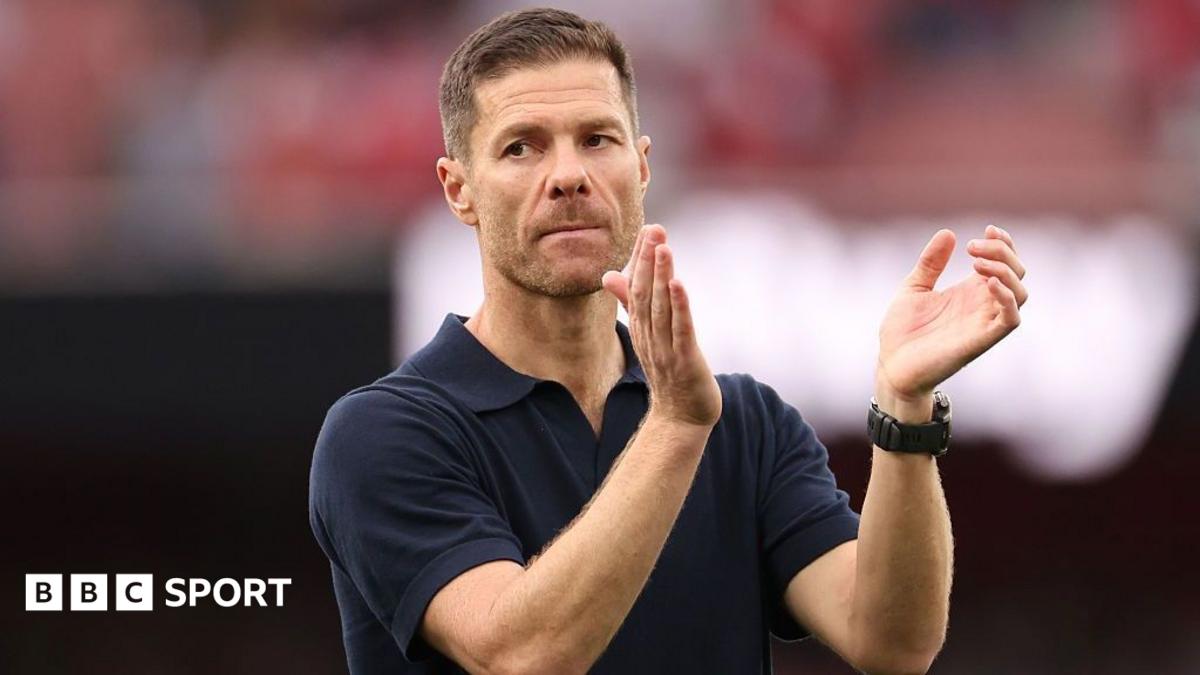

Fulham aren't floundering, they're being undone by a fundamental tactical contradiction
Fulham sit comfortably mid-table, praised for fluid football. But watch closely and you'll see a team winning possession in ways that guarantee they can't keep it. Their midfield triangle is a trap — for themselves.
Where the wheels come off
Under Marco Silva, Fulham have built a reputation for progressive, possession-based football. João Palhinha's departure was supposed to be softened by Sander Berge and Andreas Pereira dropping deeper. But the data tells a different story: Fulham rank 14th for progressive passes allowed per game, yet 6th for tackles in the middle third. They're winning the ball back aggressively, then immediately giving it away.
Against Brentford last month, Fulham completed just 67% of their passes in the final third — the lowest of any home team that weekend. That isn't a bad day; it's a pattern. Their average possession of 54% masks a deeper issue: they hold the ball for long spells without penetration, then lose it in dangerous areas because their full-backs push extraordinarily high.
The dual pivot is a myth
Silva insists on a 4-2-3-1 that often morphs into a 4-1-4-1 off the ball. But the two central midfielders — usually Berge and Harrison Reed — are neither destroyers nor creators. They're caught between roles. When Fulham lose possession, the gap between the centre-backs and the midfield line is often 20+ yards. Opponents exploit this with simple vertical passes.
- No. 1: The Palhinha vacuum. Palhinha averaged 4.3 tackles and 2.1 interceptions per game last season. His replacements average 2.8 and 1.2. Fulham haven't replaced his destructive presence; they've diluted it.
- No. 2: Full-back frenzy. Antonee Robinson and Kenny Tete both rank in the top 10 for touches in the attacking third among full-backs. That's fine if the midfield covers, but it doesn't. Fulham concede 1.4 goals per game from transitions — the fifth-worst in the league.
- No. 3: The false nine fallacy. Rodrigo Muniz and Raúl Jiménez both drop deep to link play, but neither is a natural press-resistant forward. Fulham's attack becomes a horseshoe: pretty on the outside, hollow inside.
The counter-argument: it's the personnel, not the system
Critics will argue Fulham simply lack a top-tier defensive midfielder and a creative No. 10. That's true — but it's a symptom, not a cause. Silva has spent £80m on midfielders since 2022. The issue is that he's asking them to perform contradictory tasks: press high, sit deep, create, destroy. Against Brighton, Fulham pressed with six players at times, leaving four defenders exposed. Brighton cut through them with three passes. No midfielder can cover that.
Compare that to Crystal Palace under Oliver Glasner: a similarly mid-table side with a clear, uncompromising structure. Palace don't press unless the trigger is perfect. Fulham press because they're impatient. That's coaching, not personnel.
Verdict: Fulham will finish 13th or lower, and Silva will be gone by May
This isn't a crisis — yet. Fulham have enough quality to avoid a relegation scrap. But their tactical incoherence will cost them points against organised sides. I predict they'll take fewer than 10 points from their next 10 league games, and Marco Silva will leave the club before the final day of the season. If I'm wrong, I'll write a 1,000-word apology to the Craven Cottage faithful. But the tape doesn't lie: Fulham are a team built to lose the ball, not keep it.
Related Articles
Filed under: Tactical Analysis | LA Premier League Home