Liverpool Ownership Shift: FSG Agree to Sell Minority Stake
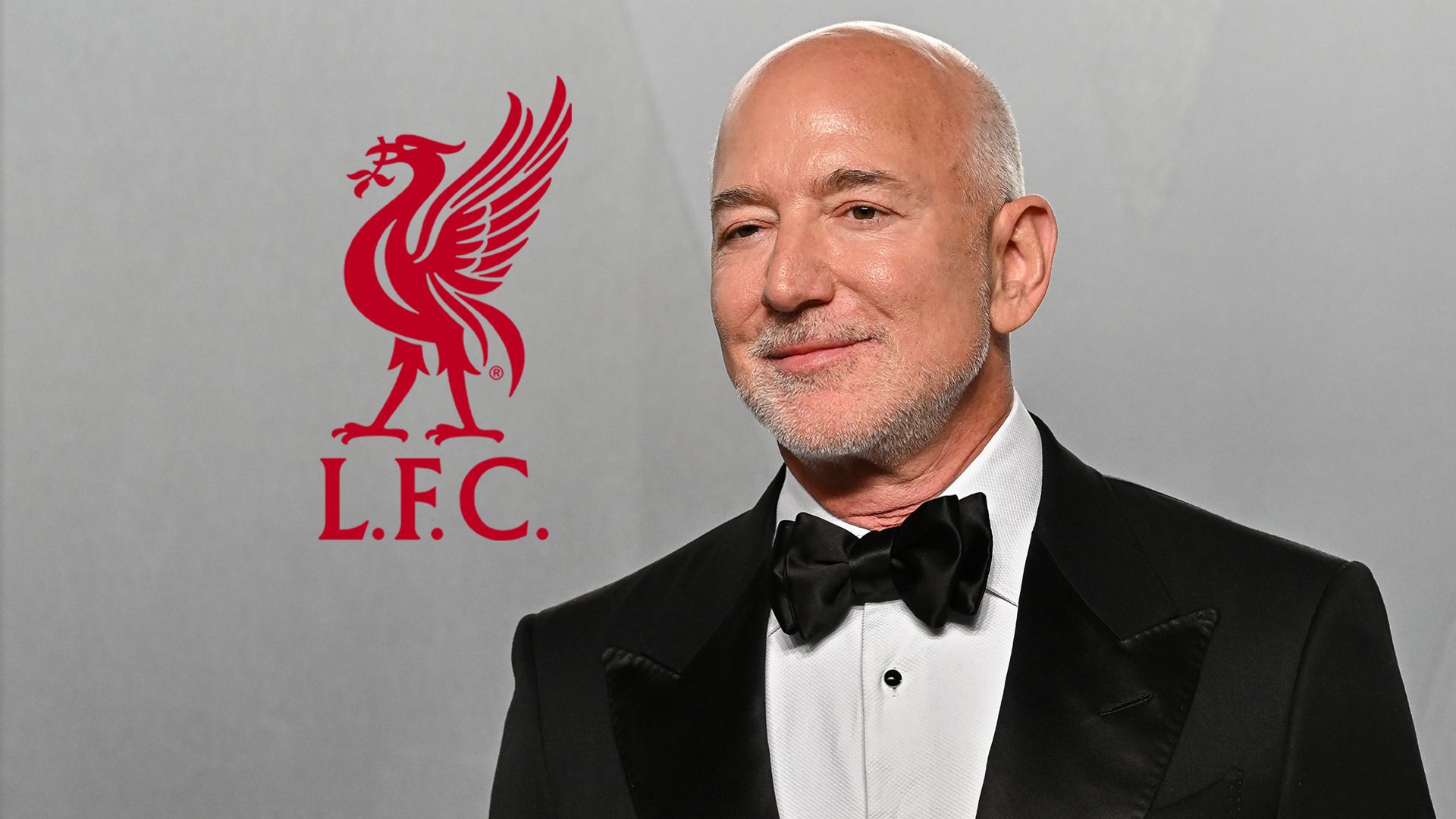
Liverpool's owners, Fenway Sports Group (FSG), have agreed to sell approximately one-third of the club to a consortium that includes Amazon founder Jeff Bezos, according to reports. The deal values the Merseyside club at around £5bn, marking a significant moment in the club's ownership history.
The transaction, first reported by multiple outlets, represents a major injection of capital into the Premier League giants. While FSG remain the majority owners, the involvement of Bezos – one of the world's wealthiest individuals – signals a new era of financial backing for the Reds.
Neither FSG nor the consortium have issued official statements, but the news has sparked widespread discussion among supporters and analysts. The move is expected to be completed in the coming months, subject to regulatory approval.
Context: FSG's Ownership Tenure and Financial Strategy
FSG, led by principal owner John W. Henry, acquired Liverpool in 2010 for £300m. Since then, the club has enjoyed considerable success, including Premier League and Champions League titles. However, recent seasons have seen FSG face criticism from fans over transfer spending.
This sale of a minority stake is seen as a strategic move to raise funds for stadium redevelopment and squad investment, while retaining control. The £5bn valuation places Liverpool among the world's most valuable football clubs, reflecting the sport's booming commercial appeal.
The consortium's inclusion of Bezos, whose net worth exceeds $200bn, suggests the club could benefit from enhanced global marketing and technological innovation. This aligns with FSG's long-term vision of expanding the club's brand beyond football.
Impact: Financial Muscle and Future Ambitions
- Transfer Market: The added investment could allow Liverpool to compete with the likes of Manchester City and Chelsea for top targets, potentially ending perceived frugality in recent windows.
- Facilities: Funds may accelerate the Anfield Road End expansion project and modernise training facilities at Kirkby.
- Commercial Growth: Bezos's business acumen might unlock new sponsorship and digital revenue streams, boosting the club's global reach.
For manager Arne Slot, the news is likely welcome, providing hopes of a bigger transfer war chest for summer targets. However, the club remains committed to financial sustainability, and any spending will be measured.
The sale also has implications for the Premier League's competitive balance. Liverpool's rivals may view this as a threat, given the club's already strong squad and the potential for further investment.
What's Next: Regulatory Hurdles and Long-Term Vision
The deal awaits approval from the Premier League's Owners' and Directors' Test, which will scrutinise the consortium's suitability. Any potential human rights concerns regarding Bezos's business practices could be raised, but such issues are unlikely to derail the sale.
In the short term, Liverpool's focus remains on the pitch, with questions over the future of key players like Mohamed Salah and Virgil van Dijk still unresolved. The new investment could help secure their contracts or fund replacements.
Supporters will closely monitor how the ownership transition unfolds, as the club seeks to maintain its position among Europe's elite. With the summer transfer window on the horizon, the first test of this new financial era will come in the market.
Related Articles
Filed under: Club News | LA Premier League Home