Football's Political Heartbeat: A Pervasive Reality
Football has long marketed itself as a universal language, a simple diversion from the complexities of life. The image of twenty-two players chasing a ball for ninety minutes suggests a purity that transcends borders, politics, and social strife. Yet, history and current affairs reveal a different truth: football has never been just a game. From international tournaments to club ownership structures, the sport is deeply intertwined with political forces, both overt and subtle.
The very origins of modern football are rooted in social and political contexts. The establishment of the Football Association in 1863 happened amidst Victorian-era class dynamics. Working-class communities found identity and pride in local clubs, often reflecting industrial rivalries and regional loyalties. These early ties laid the foundation for football as a mirror of society, where power struggles, economics, and nationalism play out on the pitch.
World Cups and Geopolitical Showpieces
International tournaments have historically served as platforms for political expression. The 1934 World Cup in Italy was infamously used by Mussolini as a propaganda tool, with the Azzurri's victory presented as proof of fascist superiority. Decades later, the 1978 tournament in Argentina occurred under a brutal military dictatorship, which manipulated the event to distract from human rights abuses. The 2022 World Cup in Qatar triggered intense debates about labour rights, LGBTQ+ rights, and environmental costs, highlighting how a football event can become a global political battleground.
National teams often carry the weight of political narratives. When nations with historical tensions meet, matches take on a symbolic importance beyond sport. The 'Panama Papers' leaks in 2016 revealed offshore dealings of football officials, underscoring the sport's entanglement with global finance and corruption. These instances demonstrate that football's universal appeal is not apolitical but rather a stage for ideological contests.
Ownership and Political Economy
The modern ownership model of clubs is a political statement in itself. State-backed ownership, such as that seen at Manchester City and Paris Saint-Germain, raises questions about soft power and nation branding. Sovereign wealth funds use football to enhance international reputation, effectively turning clubs into diplomatic tools. Similarly, the ongoing debate over the proposed European Super League highlighted tensions between traditional football culture and commercial interests, with political leaders and fans alike weighing in on the sport's future.
Within leagues, financial regulations and fair play rules are inherently political, pitting smaller clubs against wealthy conglomerates. The distribution of television revenue, transfer spending caps, and financial sustainability controls reflect ongoing battles between egalitarian principles and market dominance. These decisions affect not only clubs but also communities, employment, and local economies, blurring the line between sport and public policy.
The Intersection of Race, Nation, and Identity
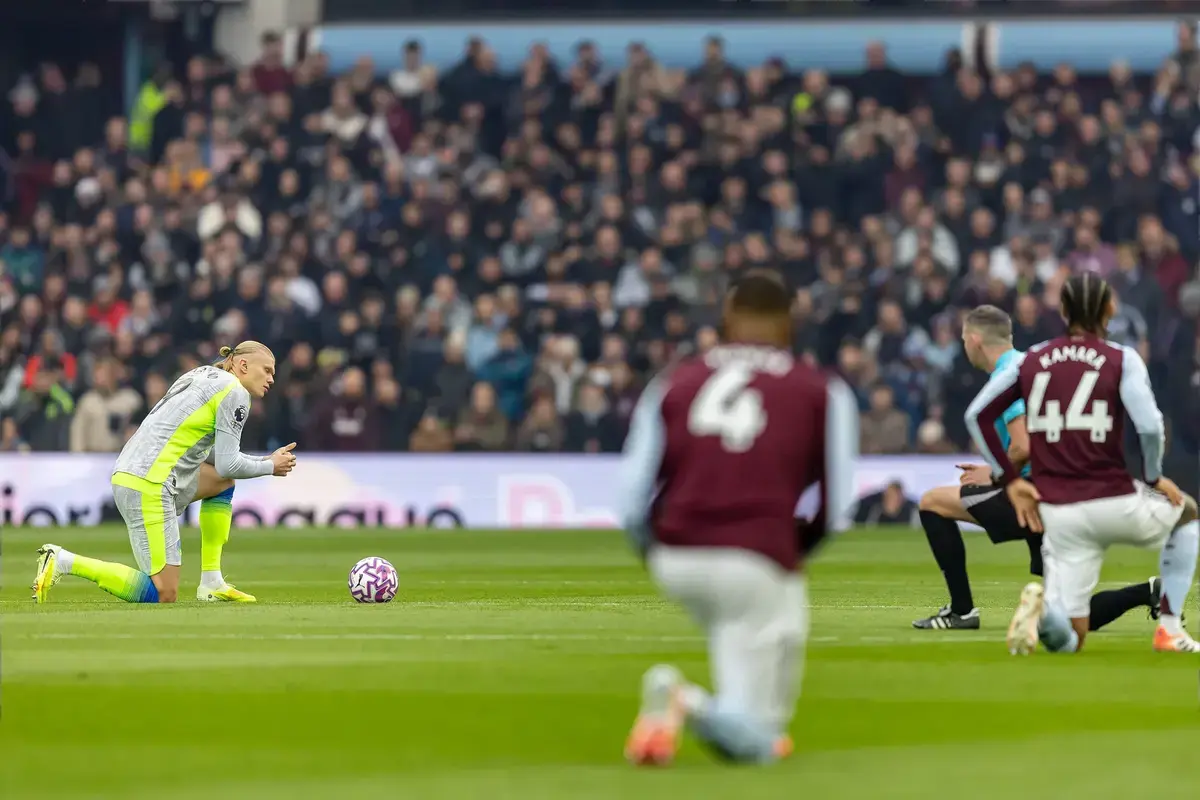
Football has also been a battleground for social justice. Player activism, from taking a knee to gestures of solidarity, has drawn both praise and criticism, demonstrating the sport's capacity to provoke political discourse. Instances of racism in stadiums and online abuse towards players have prompted campaigns and regulatory responses, making anti-discrimination efforts a political priority. The sport's power to unite or divide is potent; it can foster national pride but also expose deep-seated societal fractures.
The governance structure of football itself is political. FIFA and confederations are geopolitical arenas where votes are traded and alliances forged. The awarding of World Cups often follows patterns of diplomatic influence, and allegations of corruption have plagued these processes. Thus, the administration of the game is a microcosm of international relations, with power imbalances and strategic manoeuvring echoing broader geopolitical dynamics.
Implications for the Future
These intersections are not incidental but fundamental. For the Premier League, the world's most popular domestic league, the political dimensions are unmistakable. Club ownership by foreign investors, players' online conduct, and the league's global broadcasting rights all carry political weight. The recent proliferation of analysis on social media and fan engagement reflects a growing awareness that football cannot be divorced from its societal context.
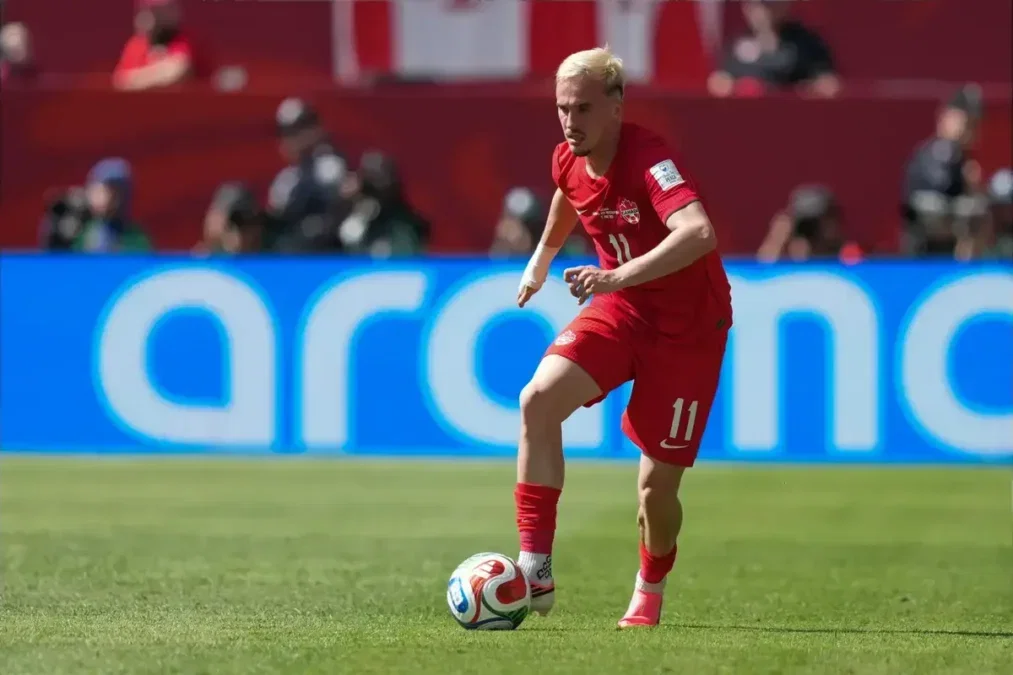
As the 2026 World Cup approaches, hosted across the United States, Canada, and Mexico, politically charged debates around migration, security, and cultural identity are inevitable. Similarly, the ongoing discussions about player well-being, fixture congestion, and grassroots investment are political choices that shape the sport's future. It is no longer tenable to pretend that football exists in a bubble; every decision on and off the pitch has political consequences.
Conclusion: A Game of Power
Football's claim to be apolitical is a convenient fiction. Its universality lies not in simplicity but in its ability to encapsulate complex human experiences. From geopolitical clashes to ownership battles, from racial equality to economic justice, football is a stage where politics plays out in real time. Recognising this reality is not a departure from the sport's essence; it is an embrace of its full significance.
For the Premier League, understanding these dynamics offers opportunities for engagement. Clubs can acknowledge their role in communities, fans can hold institutions accountable, and the league can foster dialogue on pressing issues. The game's future depends on accepting that politics and football are inseparable. The beautiful game is not just a game; it is a reflection of the world in which it is played.
Related Articles
Filed under: Opinion | LA Premier League Home