Everton's Premier League Journey: A Story of Survival and Tradition
Everton Football Club, one of the founding members of the Premier League in 1992, have been ever-present in England's top flight ever since. The Toffees' history in this era is marked by resilience, near misses, and a fight for identity amidst financial challenges.
From the halcyon days of the mid-1990s to the modern-day battles against relegation, this timeline charts Everton's Premier League story, highlighting the club's enduring presence and the challenges they have overcome.
The Early Years: Establishing Top-Flight Credentials
When the Premier League commenced in 1992, Everton were under the management of Howard Kendall, the man who had guided them to two league titles in the 1980s. Their first season was modest, finishing 13th, but it laid the groundwork for a decade of top-half stability.
Under Kendall, Joe Royle, and later Walter Smith, Everton consistently finished in the top half, with a notable FA Cup triumph in 1995. That victory, secured against Manchester United, provided a rare moment of silverware in the Premier League era.
The club's youth academy began to bear fruit during this period, producing future stars such as Francis Jeffers and, later, a young Wayne Rooney, whose emergence would redefine the club's fortunes.
The Moyes Era: Overachievement and Near Misses
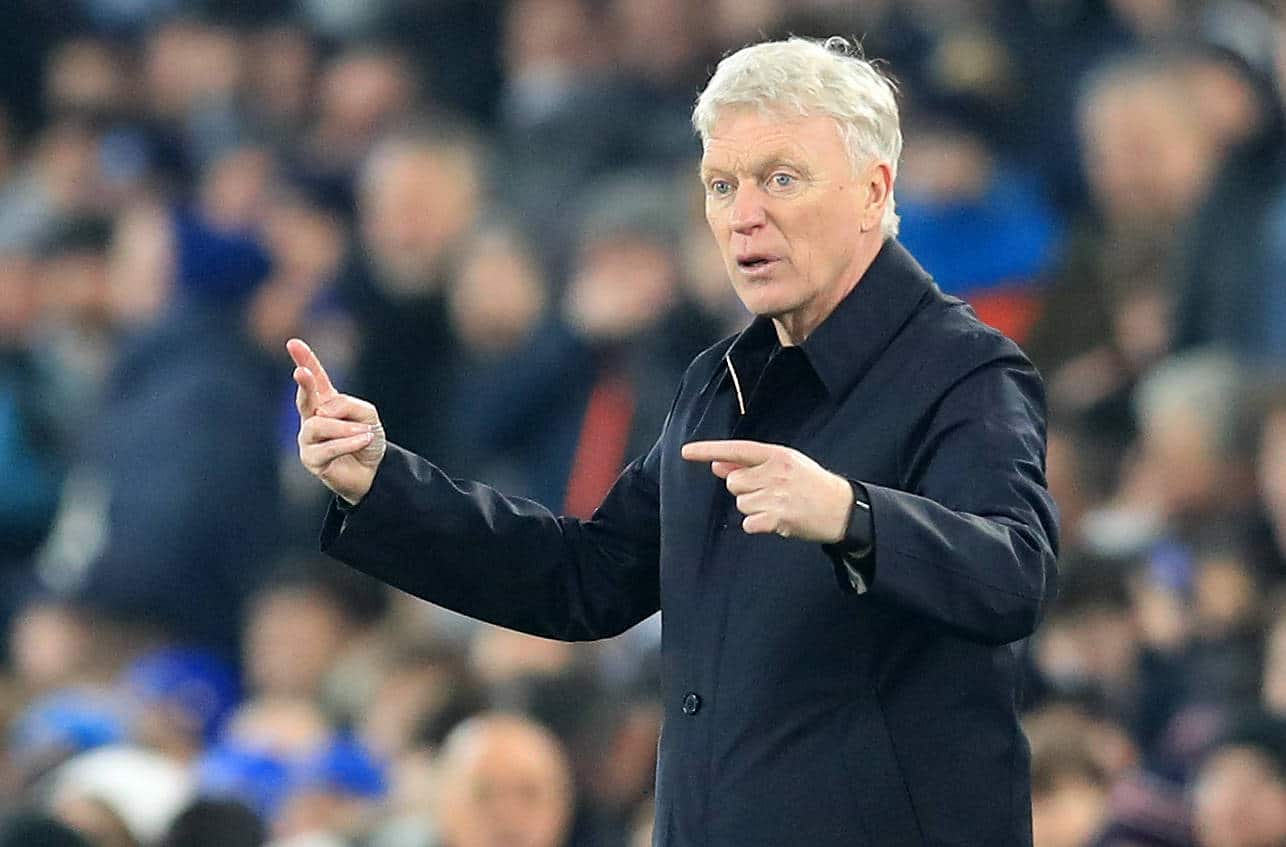
David Moyes' appointment in March 2002 marked a turning point. The Scottish manager instilled a steely discipline and organised approach that made Everton tough to beat. His first full season saw the club finish 7th, qualifying for the UEFA Cup, and they consistently punched above their weight.
The 2004-05 campaign was a pinnacle, with Everton securing a 4th-place finish ahead of Liverpool, thanks to a narrow victory over Manchester United on the final day. That achievement, however, was followed by a disappointing Champions League exit in qualifying, and the club struggled to replicate such heights in the following years.
Moyes also managed the sale of Wayne Rooney to Manchester United in 2004 for a substantial fee, funds that were reinvested wisely, but the loss of such a talent was a blow.
Modern Struggles and Financial Peril
The post-Moyes years saw a revolving door of managers and increased investment, but success remained elusive. The arrival of Farhad Moshiri as majority shareholder in 2016 promised a new era, but heavy spending did not translate into trophies.
Instead, Everton found themselves trapped in a cycle of mid-table mediocrity, before a sudden decline. The 2021-22 season saw them plunge into a relegation battle, surviving on the final day thanks to a 3-2 comeback win over Crystal Palace.
Financial fair play rules then caught up with the club. Points deductions in the 2023-24 season, for breaches of profitability and sustainability rules, put them in serious danger of relegation, but they again survived under Sean Dyche.
Stability and the Future
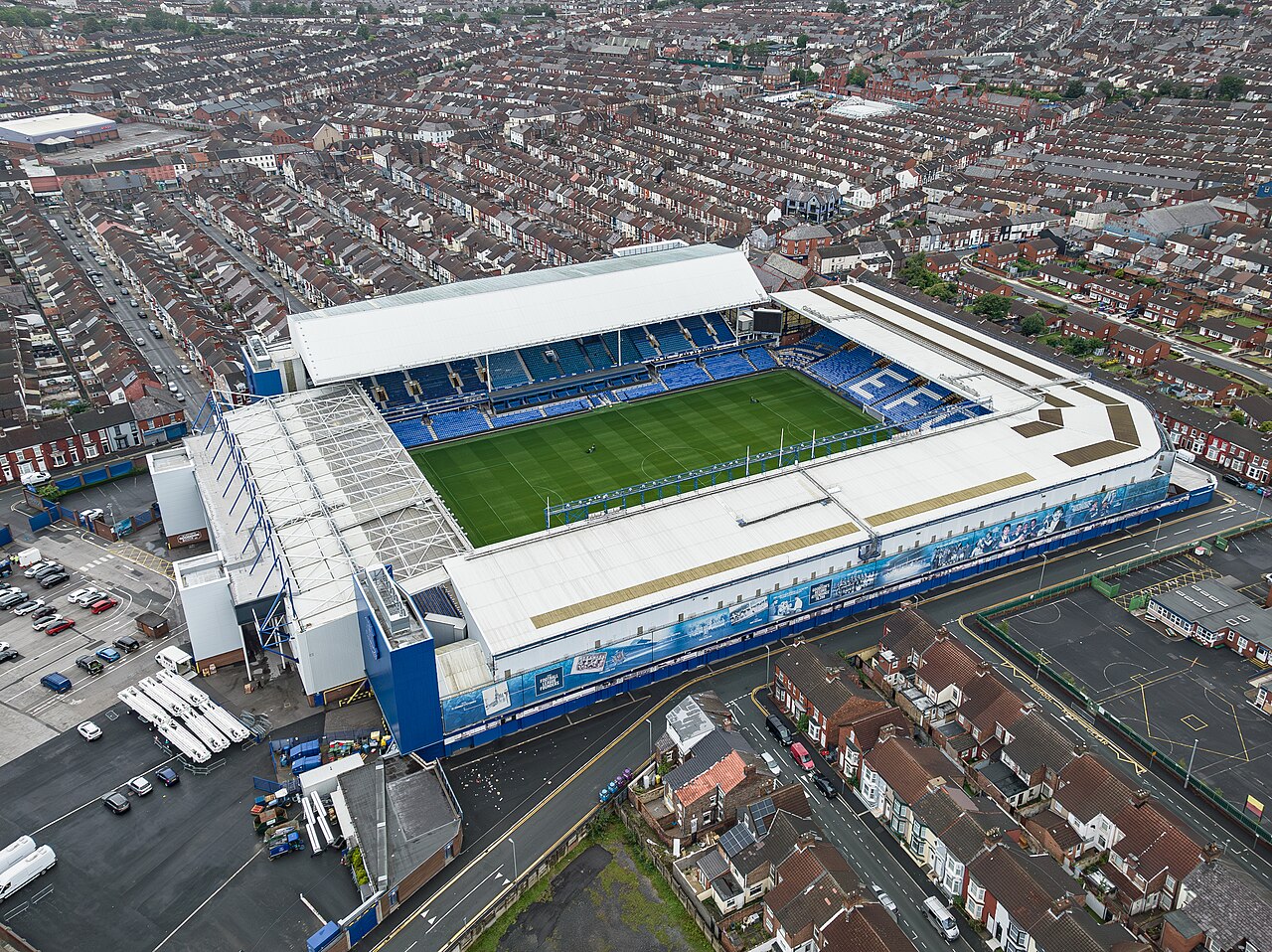
Following the takeover by the Friedkin Group in late 2024, Everton have sought stability. The club's move to the new Bramley-Moore Dock stadium, scheduled for the 2025-26 season, symbolises a fresh start, but the Premier League era has taught Evertonians that nothing is guaranteed.
The Toffees must now look to build on their rich history, yet avoid the mistakes of the past. With a new owner and stadium, the foundations are there for a brighter future, but the immediate focus remains securing their top-flight status.
Tactical and Statistical Context
Under Sean Dyche, Everton have been characterised by a direct, physical style, ranking among the lowest for possession but high for aerial duels won. This pragmatic approach has kept them competitive despite limited resources.
Defensively, they were sturdy at home last season, but a lack of goals has been a persistent issue. In the 2024-25 season, they scored just 34 goals, the third-lowest in the division, highlighting the need for investment in attacking areas.
Historically, their best Premier League performances have come when they had a prolific striker, such as Romelu Lukaku, who scored 68 league goals between 2013 and 2017. Replicating that output will be crucial for future success.
What's Next for Everton
With the new stadium on the horizon, Everton's priority is to stabilise finances and build a squad capable of challenging for European places within five years. That ambition, however, hinges on staying up this season, avoiding further FFP sanctions, and making shrewd signings in the transfer market.
The Premier League history of Everton is a tale of resilience, but the next chapter will be written in a new venue. The Toffees must prove they are more than survivors; they are a club with a proud past, determined to forge a prosperous future in the modern game.
Related Articles
Filed under: Club News | LA Premier League Home