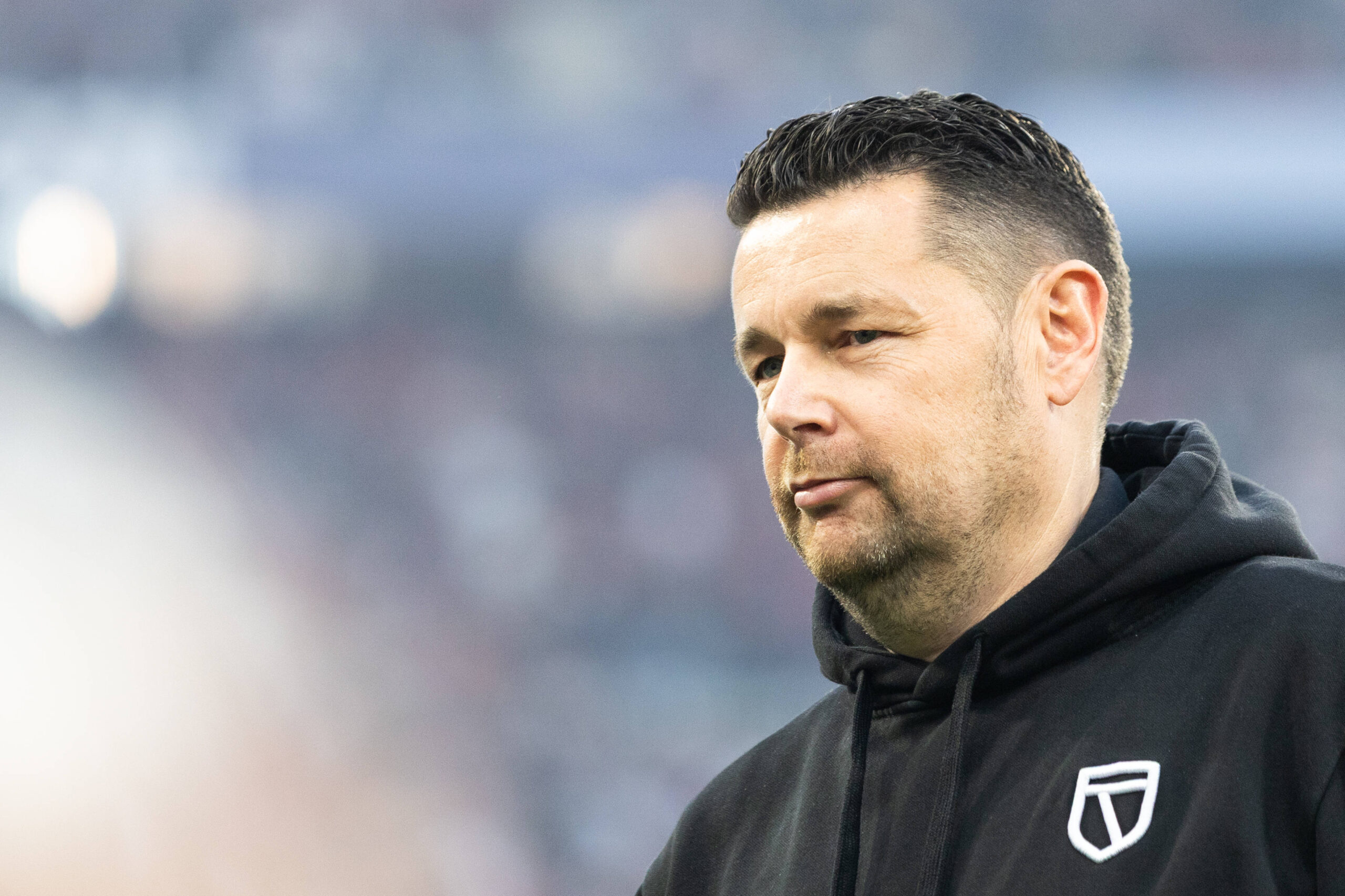
Crystal Palace confirm Pierre Sage as new manager on three-year contract
Crystal Palace have moved decisively by agreeing a three-year deal with Pierre Sage, the French coach whose reputation has been rising steadily in French football. The appointment signals a fresh direction for the south London club as they aim to evolve their playing style and squad.
Who is Pierre Sage? Background and tactical approach
Sage, 45, has built his coaching career in France, most recently impressing with his work at a Ligue 1 club. Though the raw news input provides limited details on his specific previous role, his growing profile suggests a manager with a clear tactical identity. He is understood to favour an organised defensive structure combined with quick transitions, a style that could complement Palace's existing squad strengths.
Palace have traditionally been known for a pragmatic, counter-attacking approach under previous managers. Sage's arrival may introduce more controlled possession and higher pressing, particularly through central areas. Adapting to the Premier League's physical demands will be his first major test.
Why this appointment matters for Crystal Palace
The decision to appoint a relatively lesser-known coach from France represents a calculated gamble by Palace's hierarchy. Chairman Steve Parish has often sought value in the market, both for players and managers. Sage's three-year contract provides stability and time to implement his methods, avoiding the short-termism that has plagued many Premier League clubs.
For the squad, the change at the helm could affect several players' roles. Centre-backs may be asked to build play more confidently, while wingers might have greater defensive responsibilities. The immediate priority will be to evaluate the squad during pre-season and identify any gaps that need filling via transfers.
Tactical fit and potential formation adjustments
Sage's preferred formation in France was a 4-3-3, but he has shown flexibility to switch to a 3-4-3 when required. At Palace, inheriting a group that includes Eberechi Eze, Michael Olise and Jean-Philippe Mateta, he could tailor his system to maximise their creativity. The midfield trio might see more rotation, with a focus on ball progression.
- Sage is expected to prioritise recruitment for the central midfield and full-back positions
- His pressing triggers often focus on forcing opposition into wide areas
- Set pieces could become a more potent weapon under specialised coaches he may bring
Palace finished 12th in the Premier League last season, with a record of 13 wins, 10 draws and 15 defeats. Their goal difference of +4 reflected a team that was solid but lacked cutting edge in tight matches. Sage's task is to improve that offensive output without sacrificing defensive stability.
Comparisons with other Premier League managerial appointments
The Premier League has seen several foreign coaches arrive with limited top-flight experience and succeed. Brighton's Roberto De Zerbi and Bournemouth's Andoni Iraola are recent examples of managers who came from less prominent leagues and adapted quickly. Sage will be hoping to follow a similar path, though the pressure at a London club with ambitious ownership may be higher.
In 2021, Palace appointed Patrick Vieira, another French coach, who initially impressed before a difficult second season led to his dismissal. Sage's tenure will be judged on whether he can build a sustainable identity and avoid the mid-season dips that plagued his predecessor.
What next for Pierre Sage and Crystal Palace?
With pre-season already underway, Sage must quickly establish his authority and communicate his vision to the players. The club's transfer window activity will be closely scrutinised, as any new signings will reflect his tactical priorities. A difficult start to the season could increase pressure, but the three-year deal gives him room to grow.
Key fixtures against newly promoted sides and mid-table rivals in the first two months will be crucial for building momentum. Palace fans can expect a more proactive style, but patience will be required as the squad adapts to new patterns of play. The appointment marks a clear break from the past and a bet on modern, progressive coaching.
Related Articles
Filed under: Manager News | LA Premier League Home