The Transfer Chimera: Why Chelsea's Billion-Pound Botique Is a Monument to Mismanagement
Chelsea's transfer strategy is not a strategy; it's a pathological avoidance of the hard graft required to build a sustainable football club. The Blues have spent over a billion pounds since 2022, yet their first team resembles a jigsaw puzzle assembled by a toddler in a dark room — all pieces, no picture.
A Brief History of Self-Sabotage
The Roman Abramovich era, for all its ruthlessness, understood a fundamental truth: you buy proven talent to win now, and you develop youth to sustain success. The 2012 Champions League triumph was built on hardened veterans like Didier Drogba, but the academy was quietly producing future assets — the likes of Mason Mount, Reece James, and Callum Hudson-Odoi were earning their spurs. Under Todd Boehly and Clearlake Capital, that balance has been torched. The club has signed 40-plus players since 2022, most of them raw, unproven, or simply surplus to requirements. KDH to Leicester for £30m? A fleecing. Trevoh Chalobah to Como for £30m? A player who would have graced any Premier League starting XI, shipped out to balance a fantasy football ledger.
The result is a bloated, directionless squad. Ten first-team players were loaned out last season, including the promising Carney Chukwuemeka, while the club spent £115m on Moisés Caicedo, a midfielder who has yet to justify even half that fee. The academy, once a conveyor belt of talent, is now a fire sale. Jamal Musiala? Let go. Declan Rice? Let go. These aren't lapses; they're structural failures.
The Evidence of Decay
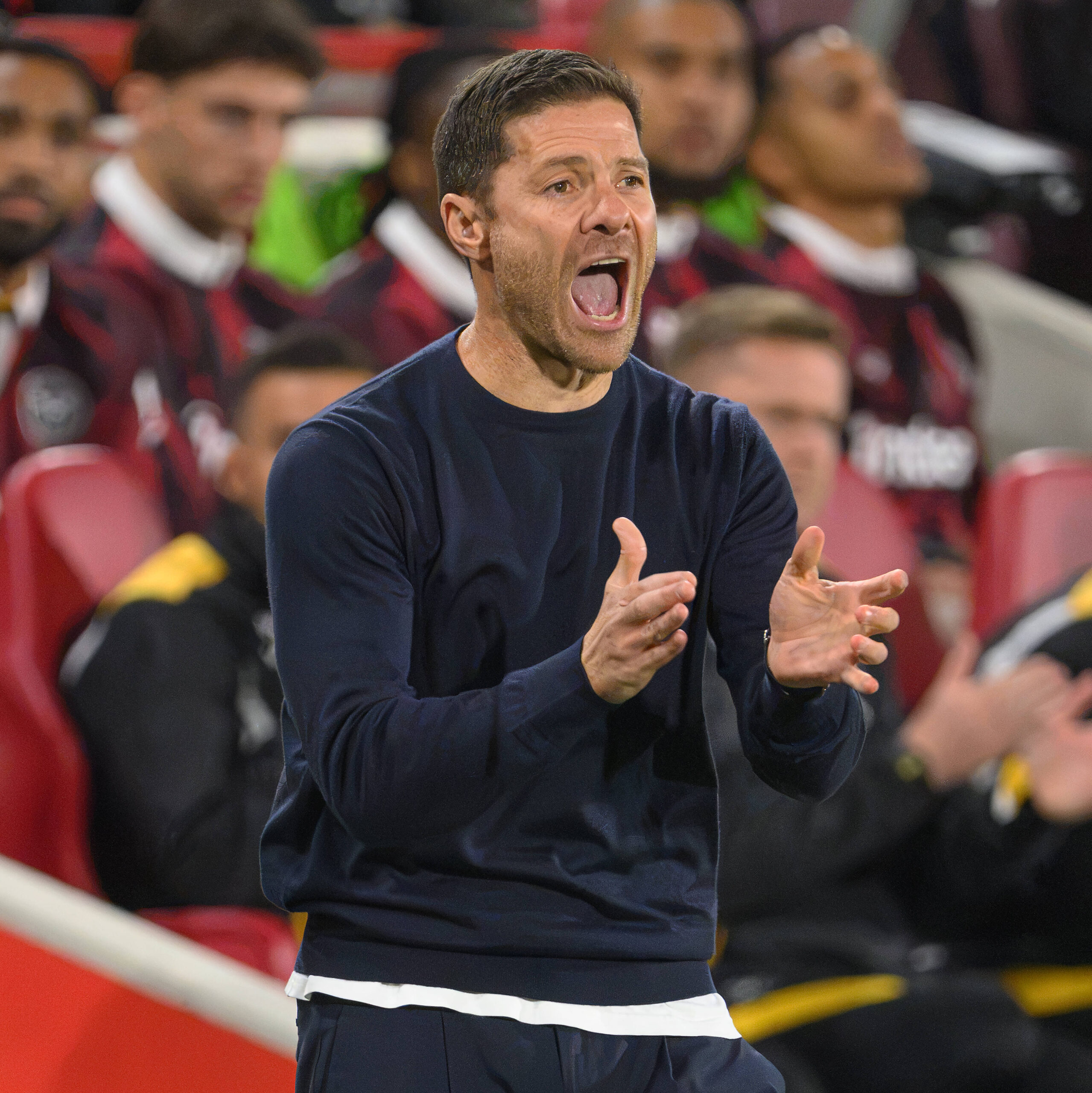
Consider the numbers. Since 2013, Chelsea have sold academy graduates for a combined £150m — a pittance compared to the £1.2bn spent on external signings in the same window. More damning, the current squad averages 3.2 years of senior experience, yet none of those players came through the Cobham ranks. The last academy product to become a first-team regular? Mason Mount, and he was sold to Manchester United in 2023. The club's own website boasts of a 'youth revolution' under Frank Lampard, but that was three gaffers ago. Under Xabi Alonso, pre-season has been about 'bonding and building', but the squad is so disjointed that even the manager's tactical shifts — a 4-2-2-2 with inverted full-backs — look like rearranging deckchairs on a sinking ship.
If you need a before-and-after, look at how Manchester City do it. They spent £50m on Erling Haaland, but they also promoted Phil Foden, Rico Lewis, and Oscar Bobb — all Catalan-coached into the first team. Chelsea have no such pipeline. Their under-21s lost 5-1 to a semi-professional side in the EFL Trophy last season. That's not an accident; it's an indictment.
The Counter-Argument: 'Recruitment as Revenue'
Undoubtedly, some apologist will argue that Chelsea's model is now 'buy young, sell high'. A £30m profit on Chalobah, a £20m profit on Lewis Hall — isn't that clever? No. It's a casino mentality, where the house always loses in the long run. Selling your best academy products to balance the books is not a strategy; it's a surrender. Football clubs exist to win trophies, not to inflate EBITDA. The 'Chelsea Resale Market' might make the financial department smile, but it leaves the pitch empty-handed. And the players they're buying — the likes of Romeo Lavia, Christopher Nkunku — are either chronically injured or misfits. The average injury rate at Cobham has doubled since the new regime introduced its 'intensive load' training; the club's medical department has been a revolving door.
Their pursuit of full-back Seys from Club Brugge, a 20-year-old with less than 50 senior appearances, is emblematic. It's a bet on potential, but potential without a development pathway is just gambling. Arsenal, for all their recent failures, have an academy that produces Bukayo Saka, Emile Smith Rowe, and now Myles Lewis-Skelly. Tottenham, under Ange Postecoglou, have given minutes to Alfie Devine and Jamie Donley. Chelsea? They've loaned 32 players out, many to clubs where they'll never see the pitch. The void at Stamford Bridge isn't tactical; it's spiritual.
The Verdict: A Reckoning Is Coming
By the end of the 2025-26 season, Chelsea will have failed to qualify for the Champions League for a third consecutive year. The billion-pound squad will be mid-table, Europa Conference League at best. Todd Boehly will then authorise another £200m splurge, but the rot is terminal. My prediction is specific: by May 2026, the club will have appointed its fourth permanent manager in four years, and its academy will have produced zero Premier League debutants. The great Chelsea project — the one that won the 2021 Champions League with six homegrown players in the squad — is dead. And what remains is a monument to mismanagement, a cautionary tale in the age of infinite money. The only question is whether the glazers upstairs will admit it. They won't. They'll blame the manager, the fixtures, the refs. But the truth is etched in the balance sheet: you can't buy your way out of a broken identity.
Related Articles
Filed under: Opinion | LA Premier League Home