
The Academy That Stopped Building Winners and Started Moving Boxes
Chelsea's academy is not a conveyor belt of talent — it is a logistics operation. Under Clearlake Capital, Cobham has become a sorting facility where promising teenagers arrive, get value extracted, and leave before they disturb the first-team balance sheet.
A Decade of Production, Then a Pivot to Profit
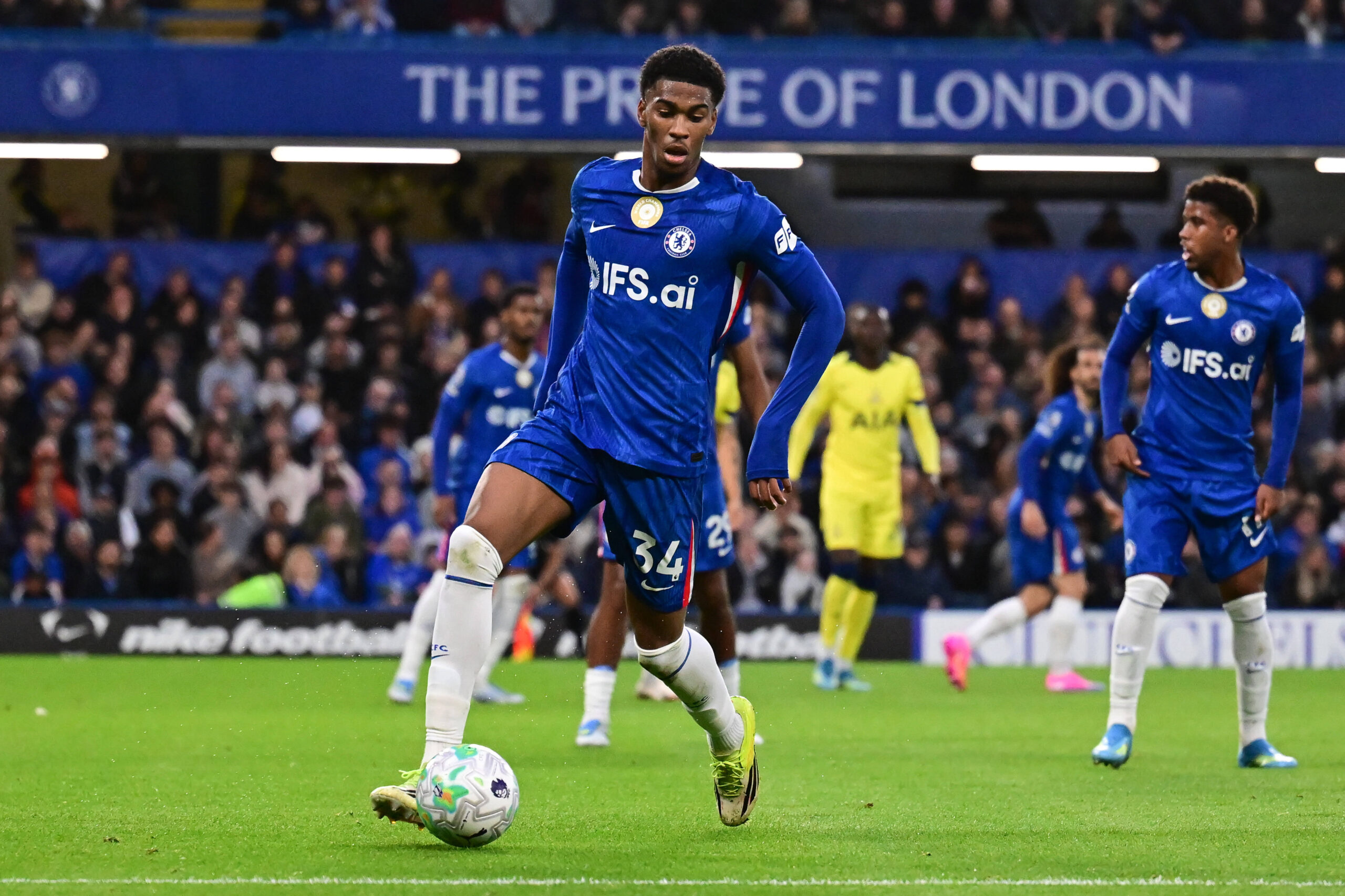
Between 2010 and 2020, Chelsea's academy produced John Terry's heirs: Mason Mount, Reece James, Callum Hudson-Odoi, Fikayo Tomori. Those players won Champions League finals and Premier League titles. Since Clearlake's takeover, the pattern has reversed. In 2023-24, Chelsea sold or released 12 academy graduates, including Lewis Hall, Ian Maatsen and Omari Hutchinson — all under 21, all now thriving elsewhere. Tyrique George, the 19-year-old winger heading to Everton for £25m this week, continues the trend.
The numbers are stark: Chelsea have banked over £150m from academy sales since 2022, more than any other Premier League club. Yet their first-team squad features only one regular graduate: Levi Colwill. Cobham is now seen less as a talent incubator and more as a profit centre under the Premier League's profit and sustainability rules.
The Argument That Doesn't Hold
Clearlake's defence is predictable: selling homegrown talent is pure profit, enabling reinvestment in established stars. They point to the £25m from George funding a move for Brighton's Yasin Ayari or hijacking Real Madrid's Aurélien Tchouameni. The logic appears sound — academy players are amortised at zero cost, so every sale boosts PSR headroom.
- Mount's betrayal: Selling a childhood supporter and player of the year for £55m to Manchester United — who have since regressed — reveals a club that values accounting over continuity.
- Hall's exile: Lewis Hall, a natural left-back, was loaned, sold to Newcastle while Chelsea scrambled for a replacement, eventually signing Marc Cucurella for £62m. The net cost: minus Hall plus a worse player for double the fee.
- Gallagher's impending exit: Conor Gallagher, captain-material and engine of midfield, is being pushed out because his pure-profit sale would balance a £50m loss elsewhere. The club prefers a Tchouameni pipe dream over a player who loves the badge.
The Counter: Selling Low, Buying High Is Not a Strategy
Supporters of the model argue that Chelsea cannot compete by hoarding academy kids. Manchester City sold Cole Palmer for £42.5m and used that to sign Erling Haaland — a success story. But City's scouting and recruitment are cohesive; Chelsea's are chaotic. Since 2022, they have spent over £1bn on 39 players, many with no clear first-team path. Meanwhile, academy graduates who would have provided low-cost squad depth are shipped out for pennies.
The counter-argument fails because it ignores identity. Arsenal's Hale End produces Bukayo Saka and Emile Smith Rowe because they invest in a pathway. Manchester United's academy, despite its dysfunction, gave us Marcus Rashford and Alejandro Garnacho. Chelsea's academy now produces assets, not players. The Tyrique George deal is not an isolated transfer; it is the logical endpoint of a philosophy that treats young talent as inventory to be turned over for quarterly reports.
Verdict: The Betrayal Will Become a Crisis
By the end of the 2025-26 season, Chelsea will have sold more than £200m worth of academy talent while finishing outside the top four for a third consecutive year. The homegrown nucleus that once defined this club — its personality, its connection to fans — will be replaced by a mercenary payroll of borrowed stars and unrealised teenagers. When the next PSR cycle forces a fire sale, there will be no more pure-profit assets left to sell. And the conveyor belt will have been dismantled, its parts sold off, piece by piece, to rivals who understood that an academy is not a warehouse.
Related Articles
Filed under: Opinion | LA Premier League Home