
Chelsea's Academy Is a Balance-Sheet Asset, Not a Footballing Philosophy
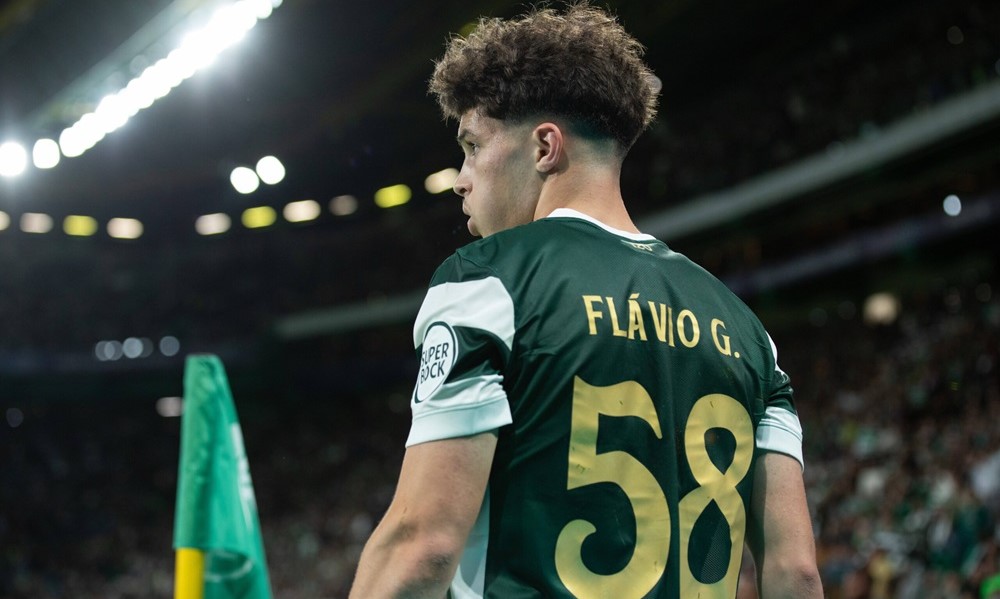
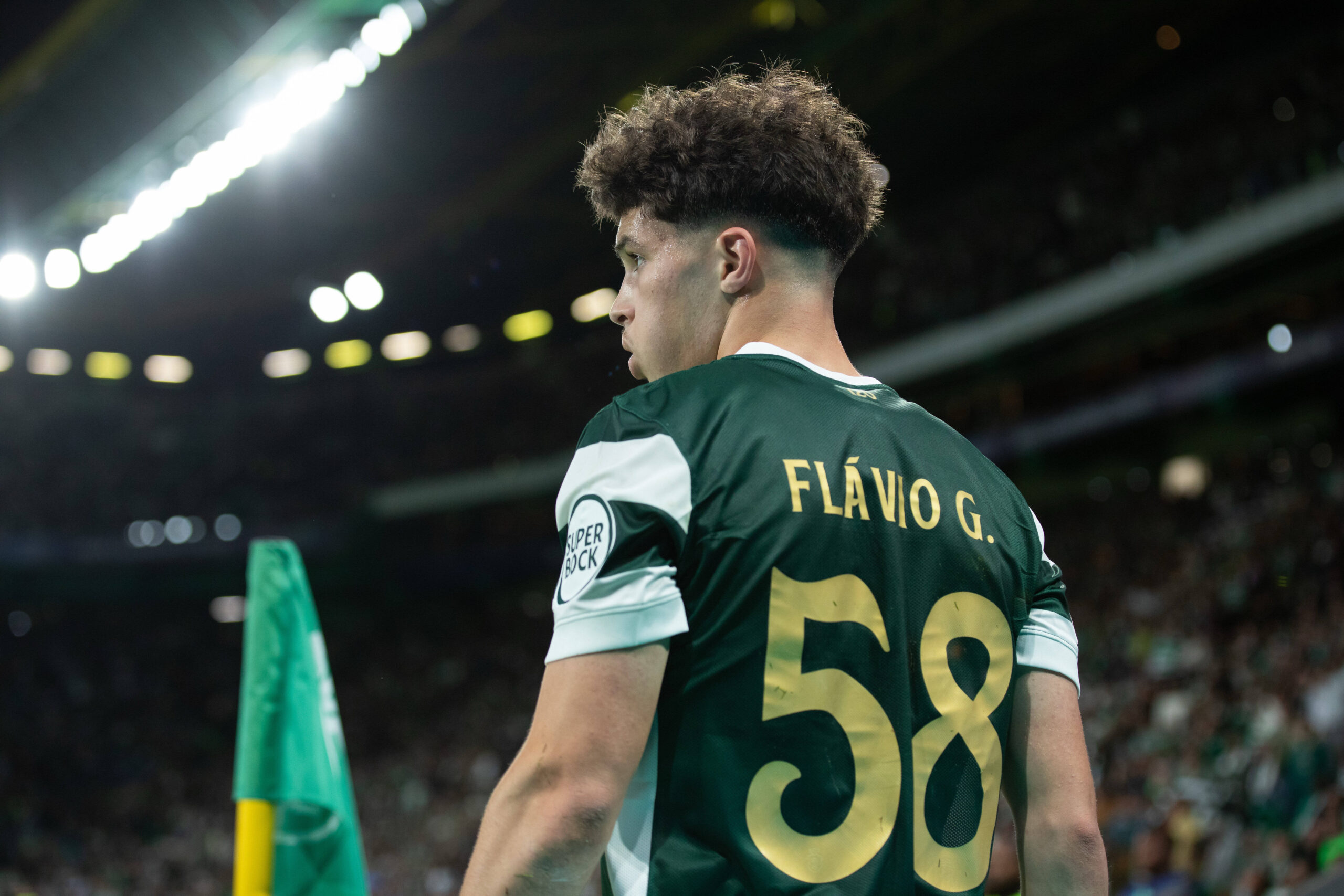
Chelsea's pursuit of Sporting CP's Flavio Goncalves for £50m is not a transfer; it is a confession. The club that built the most decorated academy in England is now raiding Portugal for a forward it could have produced.
This is what happens when a youth policy is designed by accountants. The Cobham production line has generated over £300m in sales since 2020 – Mason Mount, Tammy Abraham, Fikayo Tomori, Marc Guéhi, Callum Hudson-Odoi – yet the first team remains a revolving door of imported talent. The academy exists to balance the books, not to build a team.
The Cobham Paradox: Excellence Without Integration
Between 2014 and 2022, Chelsea won nine FA Youth Cup titles and produced a golden generation that swept all before it at youth level. Yet only Reece James has become a bona fide first-team regular. The others were sold, loaned, or left to rot on the bench. Compare that with Manchester United's Class of '92 or Barcelona's La Masia, where youth products were trusted in the biggest games. Chelsea's approach is unique in its cynicism: win everything at junior level, then cash in.
It is not an accident. The club's transfer strategy has been to hoard young talent – buying 20-year-olds from across Europe – and flip them for profit. The £50m capture of Goncalves, a 19-year-old with 12 senior goals, fits the pattern: buy low, hope for a miracle, sell high. But the first team suffers. Chelsea have spent over £1bn on transfers since 2022 and still lack a coherent identity. The academy is the one area where Chelsea have world-class expertise, yet they refuse to use it.
The £50m Gamble That Exposes the Lie
Signing Goncalves for £50m while Cobham graduates like Harvey Vale and Cesare Casadei (bought for £12m, never trusted) languish is not just bad business; it is a betrayal of the club's own philosophy. The deal makes sense only if you view the academy as a revenue stream, not a football department.
- Mason Mount – sold to Manchester United for £55m after being named Chelsea's Player of the Year twice. His replacement, Enzo Fernández, cost £106m.
- Tammy Abraham – sold to Roma for £34m, while Chelsea spent £97.5m on Romelu Lukaku, who lasted one season.
- Marc Guéhi – sold to Crystal Palace for £18m, now valued at £70m and captaining England.
Each sale was justified by 'pure profit' under financial rules, but the sporting cost is incalculable. Chelsea have become a trading house, not a football club. The Goncalves deal is the latest example: a talented teenager will arrive for a huge fee, be given limited chances, and likely be sold for a profit in three years. Meanwhile, the academy's best will continue to leave.
The Counter-Argument: Youth Alone Doesn't Win Trophies
The counter is predictable: Chelsea have won everything under Roman Abramovich and now under Todd Boehly's spendthrift regime, and youth players alone cannot compete with Manchester City's machine. But that argument ignores the fact that Chelsea's most successful period – the 2016-17 title win – featured academy graduates like Nathaniel Chalobah and Ola Aina in supporting roles, while the 2021 Champions League triumph relied on Mount and James as key starters. More importantly, no club has spent more on youth scouting than Chelsea; they have the data and the talent. The problem is not a lack of quality but a lack of nerve.
The Verdict: A Reckoning by 2027
I predict that by the end of the 2026-27 season, at least three of Chelsea's current academy starlets – including Vale and Casadei – will be sold, and the club will have spent over £150m on forwards from abroad. The Goncalves signing will be hailed as a coup, but he will start fewer than 15 league games in his first two seasons. Meanwhile, Guéhi will captain England at the 2026 World Cup. The proof is already there: Chelsea's youth policy is a myth. It is time to stop pretending.
Related Articles
Filed under: Opinion | LA Premier League Home