Brighton's data-led transfer model has turned the Seagulls into Premier League high-flyers
Brighton & Hove Albion sit third in the Premier League with one of the highest-scoring teams in Europe, yet they are one of only two clubs to record a profit in transfer spending over the past five years. Sporting director Mike Cave explains how data, loans and character assessment drive their success.
- League position: Brighton sit third in the Premier League.
- Transfer profit: Brighton and Everton are the only two clubs to record a profit in transfer spending over the past five years.
- Recent result: Brighton went into the international break with a 3-0 home win over champions Arsenal.
- Loan strategy: Over 20 loan deals in each campaign since 2018-19, with 27 last season and 16 this summer.
- Key sales: Alexis Mac Allister to Liverpool for £35m; Jan Paul van Hecke to Tottenham for £52m; Carlos Baleba to Manchester United.
What was said
"We have a really clear philosophy around how we can be competitive in arguably the most challenging league in the world."
"It helps us to identify talent from around the world in quite an efficient way. That allows us then to move quite quickly in what is a really competitive transfer market."
"There's no single attribute or a single metric that we particularly go after. It's more trying to assess a player's performance and potential."
"What's as important is the information we try to gather around the player's character, their background and their suitability for our environment."
"Not every player would be right for Brighton and Brighton won't be right for every player either. We invest a good amount of time in trying to understand the individual, the person, the human being. Ultimately, this is a people industry."
"We've had over a period of time now a really productive and successful loan pathway. So we might identify players that we think have good potential, but maybe aren't quite ready for the Premier League."
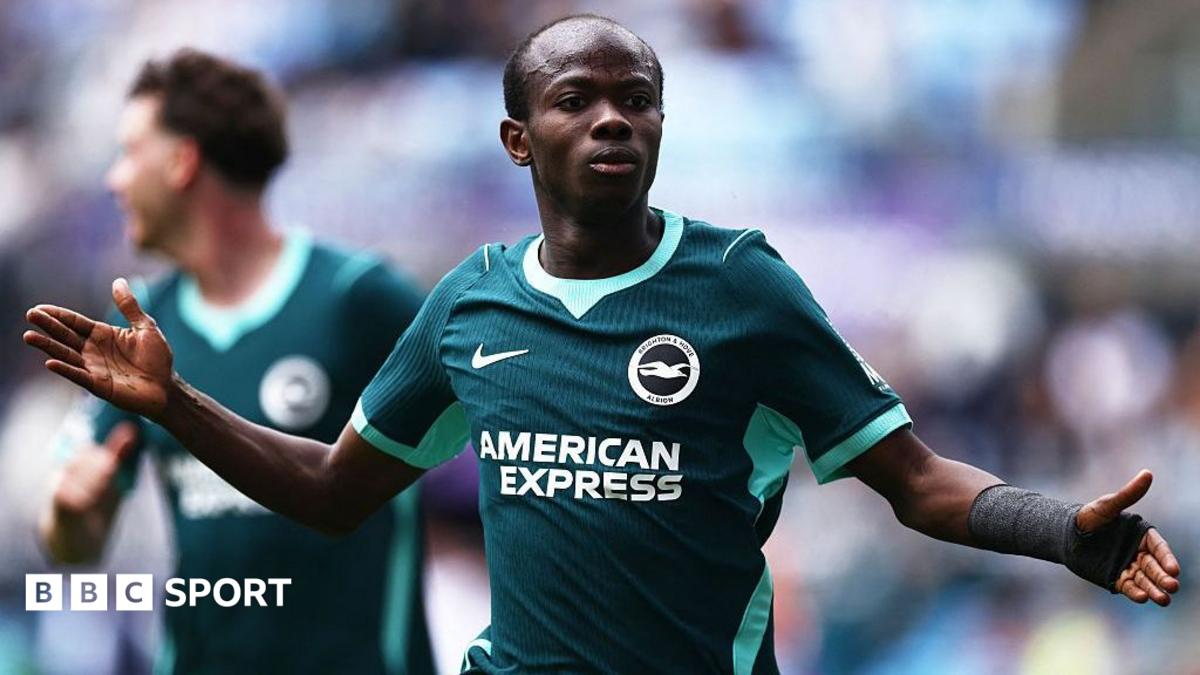
"Malik's had a really good start to the season. Osman is another young player who has had three loans now and then has come back into the squad for this season."
"They're good examples and role models of a commitment to their own development, having an attitude and a desire to want to get better."
"We do a lot of work in analysing the right clubs, coaches, leagues, understanding how complex it is, to find the right destination."
"The key thing is being able to demonstrate to young players that we have a plan. Depending on the age, that can be over one year, or several years. Hopefully, that leads to playing in our senior team."
"That track record of being able to nurture young talent in different ways plays a big part in why a number of players agree to come to Brighton."
"We can have all the data, all the character backgrounds, context and information that's available. But ultimately when that individual and their family arrives in Brighton, how we onboard them, how we embed them, how we make them feel like it's their home all contributes to them being the best version of themselves on the football pitch."
"We want players to come to Brighton and thrive and enjoy the city, enjoy the football club."
These quotes reveal a club that treats recruitment as a holistic process, blending hard data with soft skills. Cave's emphasis on character and integration suggests Brighton look beyond raw talent, targeting players who will buy into the club's culture and city.
The numbers
- Brighton have made 62 permanent signings over the past five seasons; only Chelsea (72) have made more among clubs continuously in the Premier League.
- Since 2018-19, Brighton have agreed well over 20 loan deals in each campaign, including 27 last season.
- This summer, Brighton loaned out 16 players.
- Alexis Mac Allister: signed for £6.8m in January 2019, sold to Liverpool for £35m.
- Jan Paul van Hecke: signed for £6m in 2020, sold to Tottenham for £52m after 131 appearances.
- Malick Yalcouye: signed for £6m from Gothenburg, has two Premier League goals in five appearances.
- Ibrahim Osman: signed for £17m from Nordsjaelland, has made three substitute appearances.
- Matias Orozco: signed for £3.75m from Deportivo Calli, on loan at Castellon.
Deal details
- Alexis Mac Allister: Signed by Brighton for £6.8m in January 2019, sold to Liverpool for £35m after 112 appearances. A release clause prevented a higher fee.
- Jan Paul van Hecke: Signed from NAC Breda for £6m as a 20-year-old in 2020, sold to Tottenham for £52m after 131 matches.
- Carlos Baleba: Sold to Manchester United in the summer (fee undisclosed).
- Malick Yalcouye: Signed from Gothenburg for £6m in summer 2024; loaned to Sturm Graz and Swansea City.
- Ibrahim Osman: Signed from Nordsjaelland for £17m; loaned to Feyenoord, Auxerre and Birmingham City.
- Matias Orozco: Signed from Deportivo Calli for £3.75m; on loan at Castellon.
Why Brighton's data-led model keeps working
Brighton's reliance on analytics, powered by owner Tony Bloom's Jamestown Analytics, allows them to spot undervalued talent across the globe. The system monitors players and coaches in professional leagues, giving the club a speed advantage in a competitive market. However, Cave stresses that data alone is insufficient; character and background checks are equally vital.
The loan strategy is the bridge between identification and first-team integration. Players like Alexis Mac Allister, Jan Paul van Hecke, Malick Yalcouye and Ibrahim Osman all benefited from spells away before becoming Brighton regulars. This approach not only develops their game but also acclimatises them to different styles and pressures. It also increases their market value, as seen with Mac Allister and Van Hecke.
Brighton's ability to sell at the right time, often at a substantial profit, funds further investment. The club's reputation as a stepping stone for ambitious players is a key selling point. Yet, as Cave notes, integration into the city and culture is critical. By making players and their families feel at home, Brighton maximise their potential on the pitch, creating a cycle of success.
Talking points
- Is Brighton's model sustainable if bigger clubs continue to poach their best players, or does it rely on constantly unearthing hidden gems?
- Should other Premier League clubs try to replicate Brighton's data-led approach, or is it unique to their circumstances and owner?
- With 16 players loaned out this summer, is there a risk of losing squad depth, or does it ensure valuable game time for youngsters?
- How much of Brighton's success is down to analytics versus the human touch in recruitment and integration?
What happens next
Brighton return from the international break sitting third in the Premier League. Their next fixture will test whether their young squad can maintain their high-flying form. With more loan moves expected in January, the club's development pipeline shows no signs of slowing down.
Frequently asked questions
How do Brighton identify young players?
Brighton use analytics and data as their primary method, through owner Tony Bloom's Jamestown Analytics, to monitor players globally. They also assess character and background to ensure suitability.
Which clubs have made a profit in transfer spending over the past five years?
Brighton and Everton are the only two clubs to record a profit in transfer spending over the past five years.
Who is Mike Cave?
Mike Cave is Brighton's sporting director. He has been at the club since 2022 and was promoted to sporting director in the summer.
Related Articles
Filed under: Club News | LA Premier League Home