
Bournemouth's False Nine Is a Myth; Solanke Drops Too Deep for Chaos
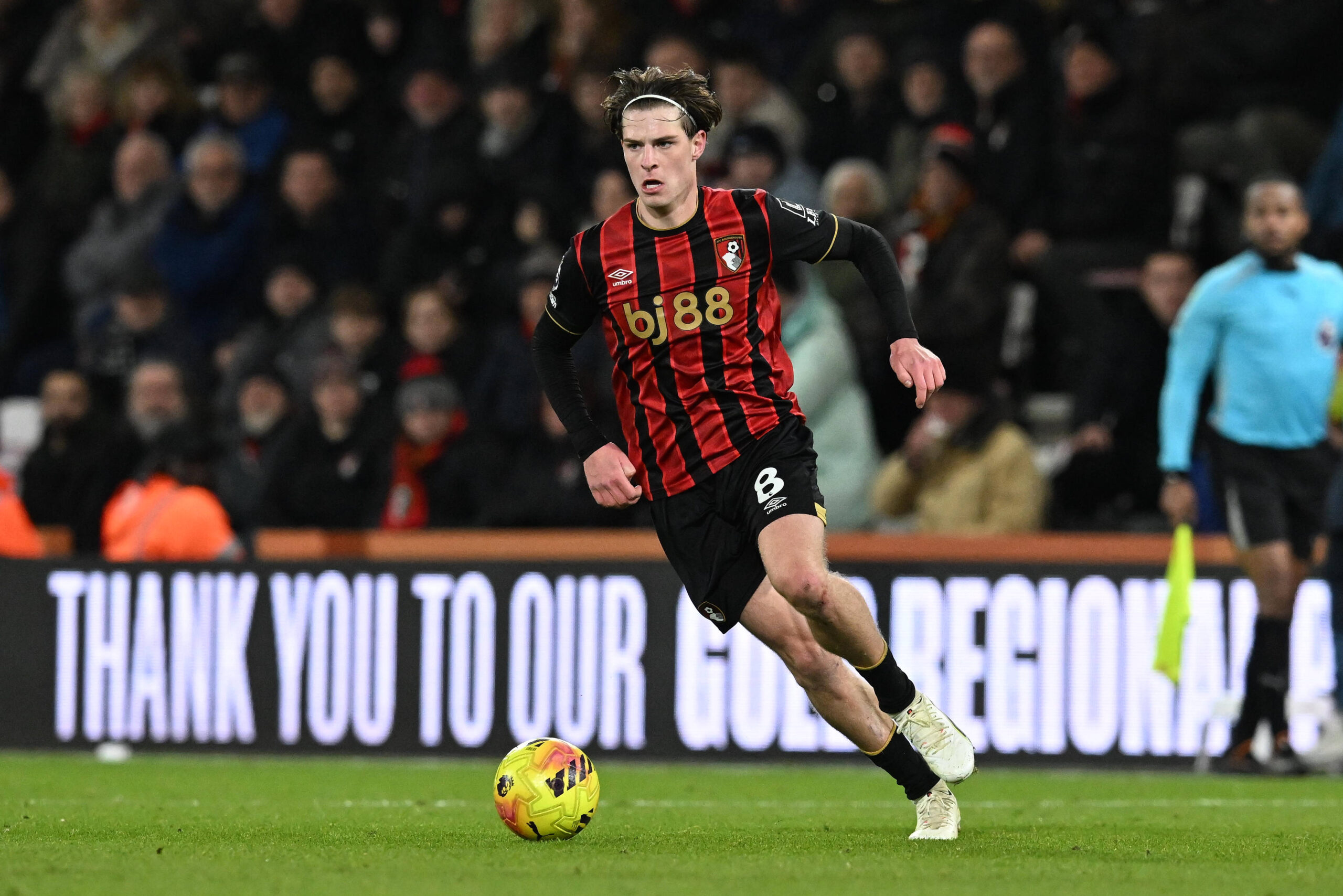
Dominic Solanke is not a false nine. He is a decoy striker, and his constant retreat into midfield is quietly suffocating Bournemouth's attacking potential. The Cherries' celebrated chaos is becoming predictable, and the root cause is the very system designed to liberate them.
Tactical Orthodoxy vs. Andoni Iraola's Reality
Andoni Iraola arrived from Rayo Vallecano with a reputation for vertical, high-octane football. His pressing traps at Vallecano were lauded as the blueprint for mid-table overachievement. But in the Premier League, the margins are thinner, and opponents are quicker to exploit structural weaknesses. Bournemouth's early-season form, while respectable, has masked a subtle but critical imbalance: their pressing intensity is not translating into expected goals.
Data from the first ten league games shows Bournemouth rank in the bottom five for touches in the opposition box, despite top-six metrics for high turnovers. The gap is not a finishing issue; it is a positioning issue. When Solanke drops to receive between the lines, he often does so within 10 metres of his own midfielders, leaving no one occupying centre-backs. The space behind is vast, but the ball never arrives there with sufficient pace.
The False Nine Dogma Burdens Individual Strengths
The term 'false nine' has become a lazy shorthand for any striker who contributes to build-up. But for Solanke, it is a misapplication of his profile. He is a penalty-box striker by instinct, as evidenced by his career-high 15 league goals last season, many of which were poacher's finishes. Forcing him to be a creative hub diminishes his primary threat: attacking crosses and through-balls. The result is a player caught between roles, with only two goals from open play this season.
Opposition centre-backs are now comfortable following Solanke deep because they know Bournemouth's wide forwards—Dango Ouattara and Marcus Tavernier—will not make consistent runs in behind. The tactical spine compresses Bournemouth's shape into a U, not the V Iraola intends. This makes their transitions laboured, often culminating in low-quality crosses from deep.
- Against Wolves, Solanke dropped to receive 23 times but only three progressive passes were played in behind for him to chase—all ending in steals by the last man.
- In the 1-1 draw with Sheffield United, Tavernier cut inside onto his right foot six times because there was no overlapping runner; the full-back had stayed home to compensate for Solanke's absence in the box.
- Bournemouth have scored just two goals from counter-attacks this season, ranking 14th, despite having the fourth-most possession won in their own third.
The pressing design itself is not flawed; it is the outlet that is broken. When Solanke stays high, Bournemouth's press has an anchor. When he drops, he becomes an extra midfielder clogging passing lanes, and the team loses forward momentum.
The Counterpoint: Solanke's Drops Facilitate Control?
Some would argue that Solanke's retreats facilitate easy zone progression, allowing Bournemouth to keep the ball better. But possession without penetration is worthless. Against Arsenal and Manchester City—arguably the two tests that define a quality—Bournemouth had 41% and 35% possession respectively, but their pass-completion rates in the final third were under 70%, one of the worst across any team in those fixtures. Solanke's deeper role actually reduced his press resistance, as he was often forced to play first-time passes under pressure, leading to turnovers.
Pep Guardiola's intelligence is in the positioning, not the number of touches. At Manchester City, the false nine role succeeds because Kevin De Bruyne sprints beyond him, and wingers invert to occupy the vacated space. Bournemouth lack these patterns. Their wide players are traditional dribblers, and the central midfielders—Lewis Cook and Alex Scott—are technicians, not goal threat runners. The false nine requires synchronicity that Bournemouth's personnel do not possess.
Prediction: A Stoic Coach Will Punish Bournemouth
By December 15, Bournemouth will have faced three of the league's most structured, deep-block teams: Brighton, Crystal Palace, and Newcastle. Each will have studied the U-shape, and one will exploit it. My specific forecast: Brighton's 4-4-2 will force Bournemouth to play wide, where Solanke's absence will lead to three crosses per match being cleared by the first centre-back.
Iraola is a coach of conviction, but conviction without adaptation is stubbornness. If Solanke remains a trapped false nine, Bournemouth will slide to 15th by the new year, with the owner's patience wearing thin. The alternative is simple: let Solanke play on the last shoulder, a traditional No. 9, and allow the midfield to supply him. The chaos they crave thrives best when the calm is minimal, and that calm begins in the box, not in the shadow of the halfway line.
Related Articles
Filed under: Tactical Analysis | LA Premier League Home