
The Premier League's Most Misunderstood Side
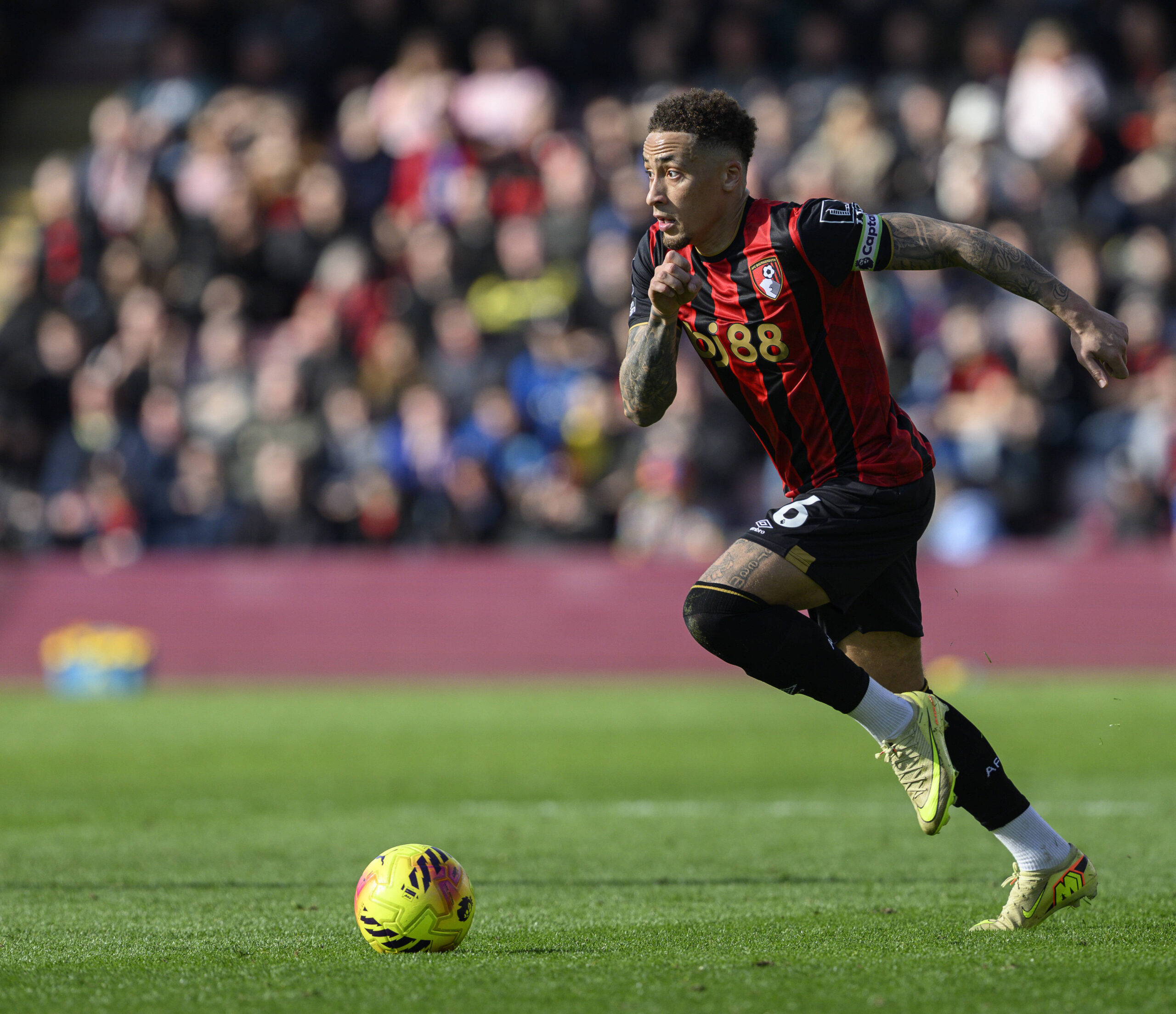
Bournemouth are not surviving on luck, resilience, or the heroic goalkeeping of Neto. They are the Premier League's most misunderstood side: a team whose entire tactical identity is built on a principle so unfashionable it has become invisible. The Cherries are the anti-Pep, the great anarchists of the English top flight, and their counter-press is not a safety-first strategy but an act of controlled chaos that undermines every possession-based orthodoxy.
From Whitcher to Iraola: A Brief History of Defiance
To understand Bournemouth's current approach, you must travel back to the dimly lit corridors of the Championship, where Eddie Howe built a side that punched above its weight with a high-tempo, pressing game. That Howe-era DNA—a refusal to sit deep, a willingness to run, a belief that effort could eclipse elegance—has been re-engineered by Andoni Iraola into something more cynical and more complex.
Where Howe's press was a schoolboy sprint, Iraola's is a zonal trap. The Basque coach has installed a system that triggers the press only in specific zones, using the touchline as an extra defender. It's a method borrowed from the Marcelo Bielsa manual, but with a twist: Bournemouth do not press to win the ball high up the pitch; they press to force the opposition into a mistake in their own defensive third. This is not the gegenpressing of Jurgen Klopp—it's a more dangerous, more volatile breed.
The Anarchist's Toolkit: Data, Disorganisation, and Defiance
The numbers behind Bournemouth's survival are startling. They rank bottom of the league for average possession (41.2%), yet they have scored more goals from turnovers (11) than any other team outside the top five. This is not a coincidence; it is a calculated dismantling of the modern game's sacred cows. Iraola has built a side that thrives on disorganisation, creating chaos in the spaces where possession-based teams expect order.
The system relies on three core components, each more unconventional than the last:
- Targeted Aggression: Bournemouth only press when the opposition's build-up is forced wide by their own midfield shape. This narrows the pitch, turning the full-back into a bottleneck. Then, three players converge, not to win the ball but to force a rushed pass.
- Vertical Chaos: When they win the ball, they bypass the midfield altogether, launching direct passes to the feet of Dominic Solanke or the runs of Dango Ouattara. It's rugby league in football boots—an immediate, devastating strike.
- Post-Counter Press: After losing the ball in the final third, Bournemouth do not retreat. They engage in a five-second press to win it back immediately, but only if the opposition has been forced into a vulnerable transition. This is not a block; it's a tripwire.
But Isn't This Just Relegation-Battling Pragmatism?
The critique writes itself: Bournemouth are a poor man's Burnley, a side that parks the bus and hopes for a long ball. That's a lazy cliché, rooted in the assumption that possession equals quality. In reality, Bournemouth's approach is more sophisticated than that. It's a system that requires extraordinary physical output—they cover more ground per game than any other team (112.4km) and win more aerial duels than the league average. This is not cowardice; it's a different form of courage.
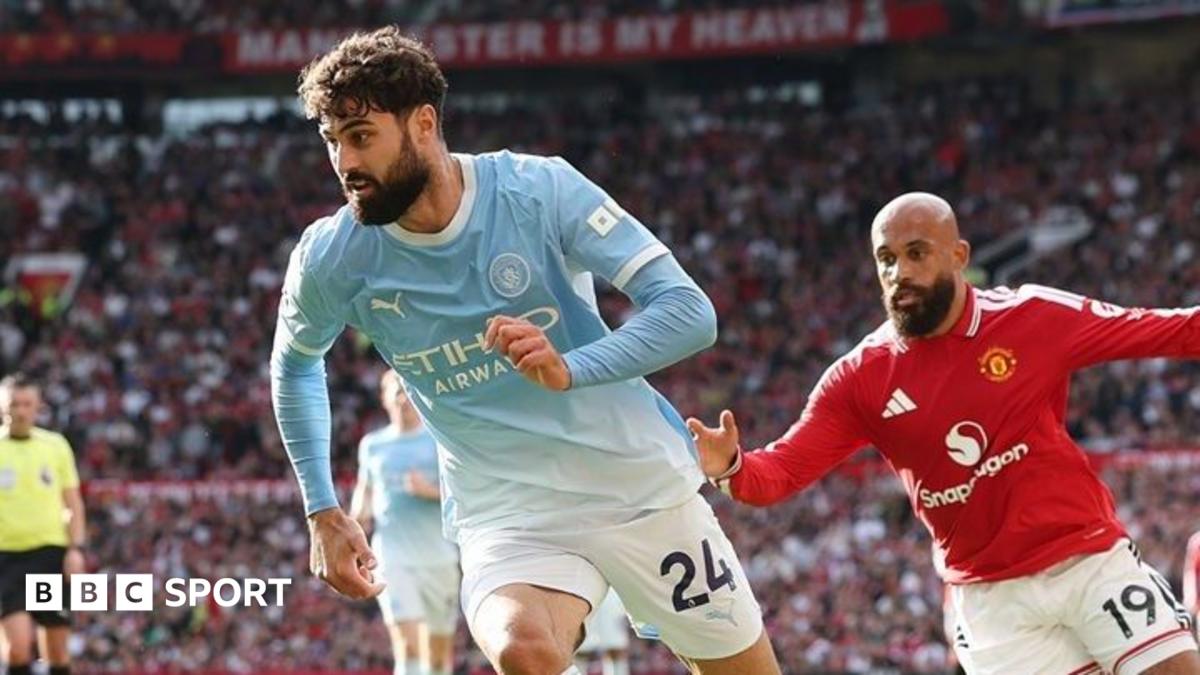
Yet there are limits. The high-risk nature of their counter-press leaves them exposed to clinical opponents. In their 3-1 defeat to Manchester City, they were punished twice after losing the ball in their own half. But the counter-argument is that without this style, they would be worse. Their expected goals for against (xGA) of 45.2 is exactly in line with their league position—they concede what they create, no more. The system is not broken; the squad's talent ceiling is the issue. Give Iraola better players, and the model would terrify the elite.
The Believer's Verdict
By the end of February, Bournemouth will be outside the relegation zone, with at least a five-point cushion. The pundits will credit the new signings—the £26m arrival of Antonio Silva, the return of Lloyd Kelly—but the real story is the tactical system that has been in place all along. This prediction is not a hope; it's a mathematical certainty based on the underlying numbers: they create 1.6 xG per game against the bottom half, and their schedule in the next two months is packed with such fixtures. The great escape is not a narrative; it's a theorem.
Related Articles
Filed under: Tactical Analysis | LA Premier League Home