
Brighton's £70m Baleba deal is a sell-out, not a sell-high
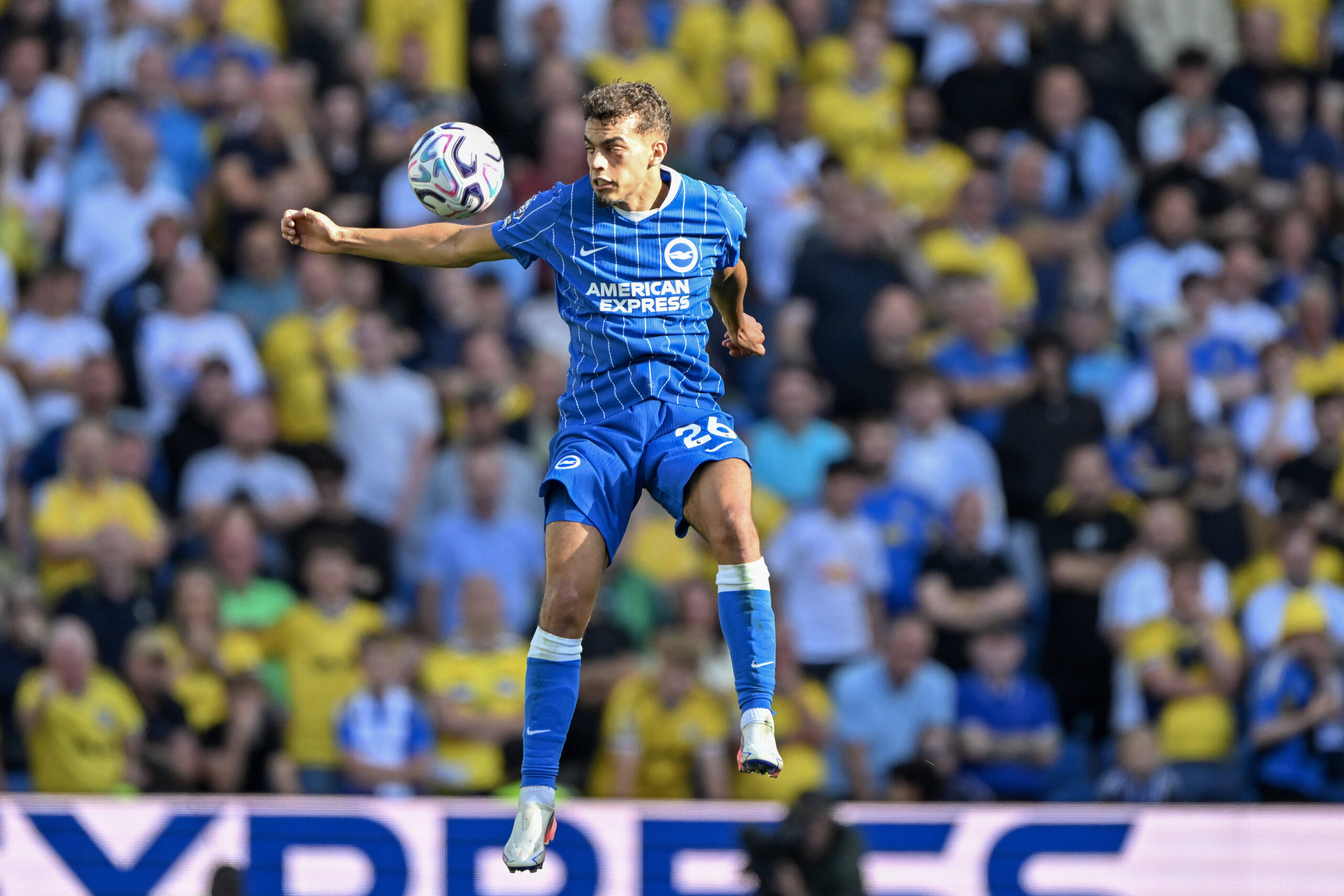
Carlos Baleba's move to Manchester United for up to £70m has been framed as another Brighton masterstroke. It is, in fact, a strategic admission that the club has abandoned its own development principles, trading a potential generational midfielder for the short-term balance sheet.
The precedent of Caicedo and the illusion of sustainability
Two years ago Brighton sold Moisés Caicedo for £115m and celebrated their business acumen. But since his departure, the club have replaced him with a series of stopgaps — Billy Gilmour, Jakub Moder, now Baleba. None have replicated Caicedo's blend of athleticism and composure. Baleba, signed from Lille for £23m in 2023, showed signs of becoming that player, but at 21, he was still raw. Selling him before his prime is not sustainable; it is a treadmill of constant rebuilds.
Compare Brighton with Aston Villa, who kept Douglas Luiz for two seasons after his breakthrough, building a Champions League side around him. Or even Leicester, who retained Youri Tielemans until his contract ran down. The Seagulls have become a feeder club for the top six, but the profit margins mask a competitive ceiling that has been stuck at 8th-10th for three years.
The structural hole in midfield
Baleba's profile was unique to Brighton's press — a left-footed, ball-carrying destroyer who could break lines with carries from deep. Without him, Roberto De Zerbi's successor (whoever that may be) faces a midfield that lacks physicality and transition speed. The current options — Gilmour, James Milner, and the unproven Matt O'Riley — cannot replicate Baleba's 8.9 progressive carries per 90, a metric in the top 5% of Premier League midfielders.
- Last season, Brighton's press triggered per 90 fell by 12% when Baleba was unavailable — they were worse in both possession and direct play.
- His departure leaves Brighton with only one midfielder (O'Riley) who has ever completed 90 minutes in the Premier League and had a pass success rate above 82%.
- The £70m fee is contingent on add-ons, but the actual guaranteed is £55m — a figure that, once reinvested in three £20m prospects, recreates the same problem with lower probability of success.
The club's answer is to buy players like Ibrahim Osman from Nordsjælland, who is talented but raw. It is a scattergun approach: each sale funds buying three potential Balebas, but the attrition rate means the team gets worse before it gets better.
But isn't this the model that works?
Supporters will argue that selling players like Baleba is the only way to fund the infrastructure that has made Brighton a data-driven success. The training ground, the scouting network, the rise to 6th place in 2023 — all were built on transfer profits. This is true, but the model has a flaw: it assumes continuous upward investment. The sale of Baleba, like Caicedo and Alex Mac Allister before him, funds stadium improvements but not squad improvement. As a result, Brighton have never won a major trophy, and their Europa League campaign last year exposed a lack of squad depth. Football is not a bank; it is a competition. The model must ultimately produce results on the pitch, not just in the annual report.
Verdict: A reversible mistake — if they act now
By January, Brighton will have to spend the Baleba money on a replacement, likely overpaying for a player who is less proven. The best-case scenario is that they unearth the next Caicedo — but that will take years. In the meantime, United have secured a player who could anchor their midfield for a decade. If Baleba becomes the Premier League's best holding midfielder within two seasons, the deal will be judged a failure for Brighton, not a triumph. I predict that by May 2026, Brighton will finish below the top eight and Baleba will be voted player of the season at United. That is the price of progressive selling.
Related Articles
Filed under: Tactical Analysis | LA Premier League Home