
The False Promise of the Transfer Market
Arsenal's approach to the transfer market has become a parody of itself: a £50m bid for Jack Hinshelwood, a £60m chase for Victor Osimhen, and a persistent interest in Jules Koundé. This is not strategic recruitment; it is a panic-buying spree dressed up as ambition. The club is treating the transfer market as a panacea for deep-rooted structural issues that no cheque can cure.
The Academy: A Forgotten Manufactory
Once the envy of English football, Arsenal's academy has produced a trickle of first-team regulars in recent years, with Bukayo Saka and Emile Smith Rowe the last of a dying breed. While City and Chelsea hoover up global talent, Arsenal's youth setup has become a bystander. Hinshelwood, a Brighton academy product, is precisely the type of player Arsenal should be cultivating, not buying. The club's own Hale End academy has seen a 40% drop in debutants since Arteta took charge, a damning statistical indictment of a club that once prided itself on its production line.
This is not merely a financial miscalculation; it is a cultural surrender. The ethos of 'The Arsenal Way' has been replaced by a short-termist mentality that treats youth development as an optional extra. In contrast, clubs like Brighton and West Ham have shown that a focused academy can yield both talent and profit, selling players like Moisés Caicedo and Declan Rice for astronomical fees. Arsenal's approach, meanwhile, has been to buy those very players back at a premium.
The Arteta Doctrine: Spending Over Building
Arteta's contract renewal is framed as a vote of confidence, but it is also a blank cheque for more of the same. His strategy has been to address every weakness with a new signing, rather than trusting the players already in the building. The result is a bloated squad, with an average of 2.7 signings per window under his tenure, each one increasingly expensive. This cannot be sustained, especially with UEFA's stricter spending rules on the horizon.
- Consider the £72m for Nicolas Pépé, a deal that destabilised the wage structure and yielded little.
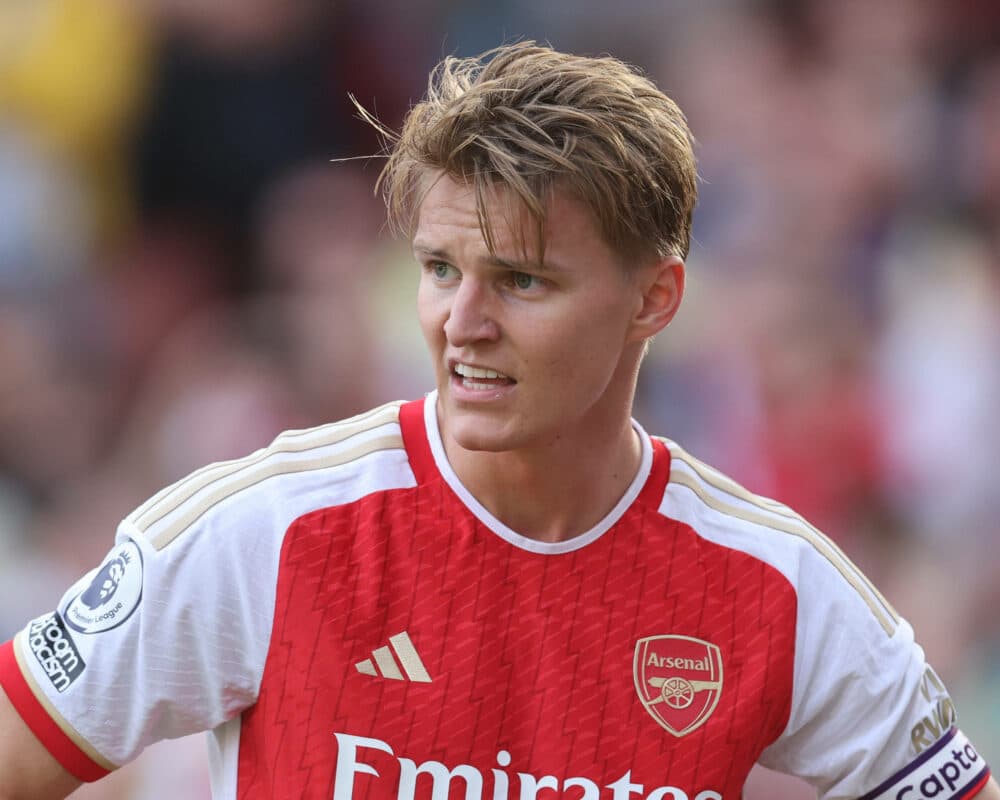
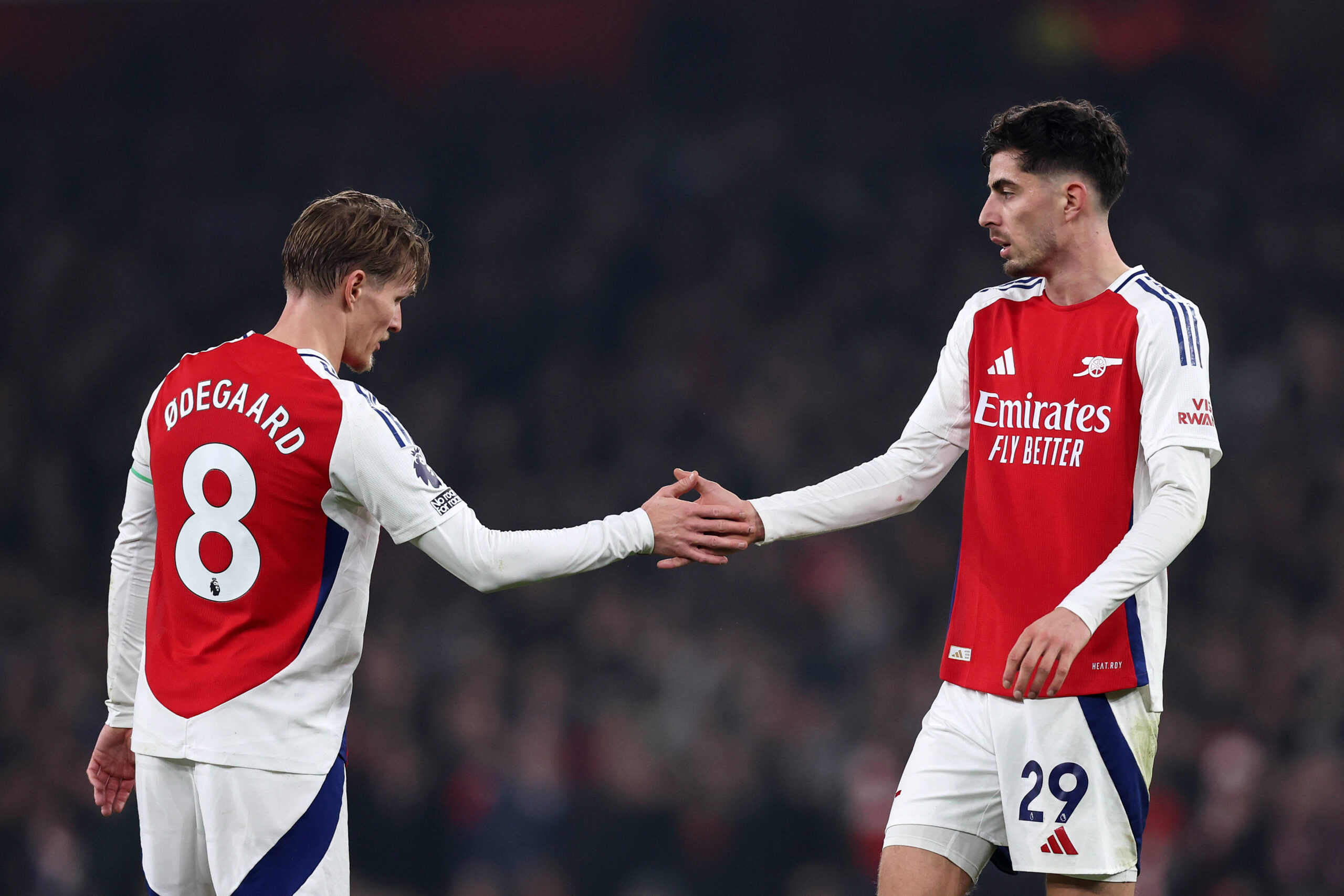
- Or the £65m spent on Kai Havertz, a player Arteta has yet to fit into a coherent system.
- And now the prospective £100m-plus outlay on Osimhen, a striker who, while gifted, may be past his prime.
Each of these signings is not a building block but a crutch, and when the crutches fail, as they did in the 2023/24 season's collapse, the team falls apart. Arteta has built a side that is tactically rigid and psychologically brittle, unable to adapt when things go awry. The academy would offer flexibility, but it is being starved of investment.
The Counter-Argument: Spending as Necessity
One could argue that in the age of super-clubs, a team must spend to compete. That Arteta has no choice but to buy, as City and Liverpool have done. That the academy is a romantic notion, but not a reliable path to trophies. There is a kernel of truth here: the financial gap is real, and a manager who refuses to spend is quickly left behind. But this argument collapses when scrutinised. City's academy has produced a golden generation under Pep, with players like Phil Foden and Rico Lewis saving the club hundreds of millions. United, too, have begun to lean on Kobbie Mainoo and Alejandro Garnacho, cutting costs and boosting club identity. Arsenal, by contrast, has no such recent success. It is not that the academy is barren; it is that it is being ignored. The £50m for Hinshelwood is a self-inflicted wound: it could have funded the entire academy overhaul needed to produce a player like him for years.
Verdict: A Reckoning Beckons
By 2026/27, Arsenal's transfer strategy will have led to either a Premier League title or a humbling reset; there will be no middle ground. If Arteta's buys deliver the league, his method will be vindicated, but history suggests otherwise. I predict that by the end of the 2026/27 season, Arsenal will have spent over £400m in cumulative transfer fees since Arteta's appointment, yet will still be trophyless in the league, having failed to qualify for the Champions League in 2025/26. The club will be forced to pivot back to its roots, appointing an academy-focused manager and selling off the expensive failures. This is not a prediction of doom; it is a forecast rooted in the club's own trajectory. The board must decide whether they are building a club or merely funding a manager's whims.
Related Articles
Filed under: Opinion | LA Premier League Home