
Arsenal's title defence is being built on sand, not solid ground
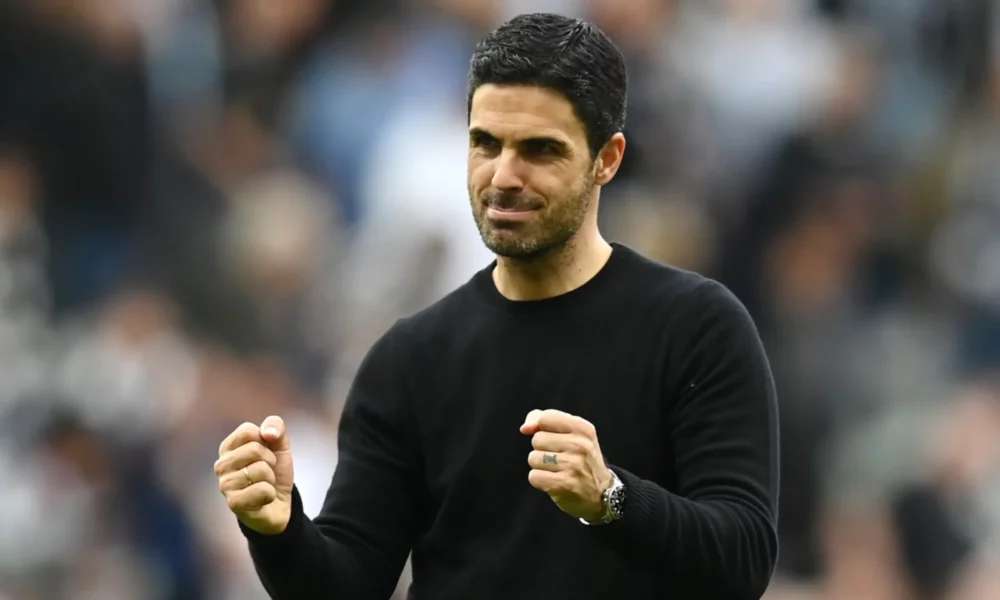
If Arsenal repeat as champions, it will be because they dared to gamble on a generation of academy talent, not because they bought another shiny, expensive bauble. The 3-0 opening-day win over Coventry was routine, yet utterly revealing: the Gunners strolled with the swagger of champions, but did so while leaning on the same seasoned shoulders that nearly failed them last season. To go again, and to go deeper in Europe, they need the fearlessness of youth — and the board must be brave enough to let it bloom.
The mirage of the transfer market
The links to Julian Alvarez are a perfect case of missing the point. Yes, Alvarez is a brilliant player, a World Cup winner who could walk into any side. But Atletico's reported willingness to sell, and Gary Neville's bleating that he's the final piece, smacks of a superstar culture that Arsenal have spent years trying to shed. Their recent history is littered with cautionary tales: the panic-buy of Nicolas Pepe, the misfire of Willian, the wage-bill albatross of Mesut Özil's final years. Each was a statement signing that ultimately hamstrung the club. Talent alone does not win titles; cohesion and a coherent system do.
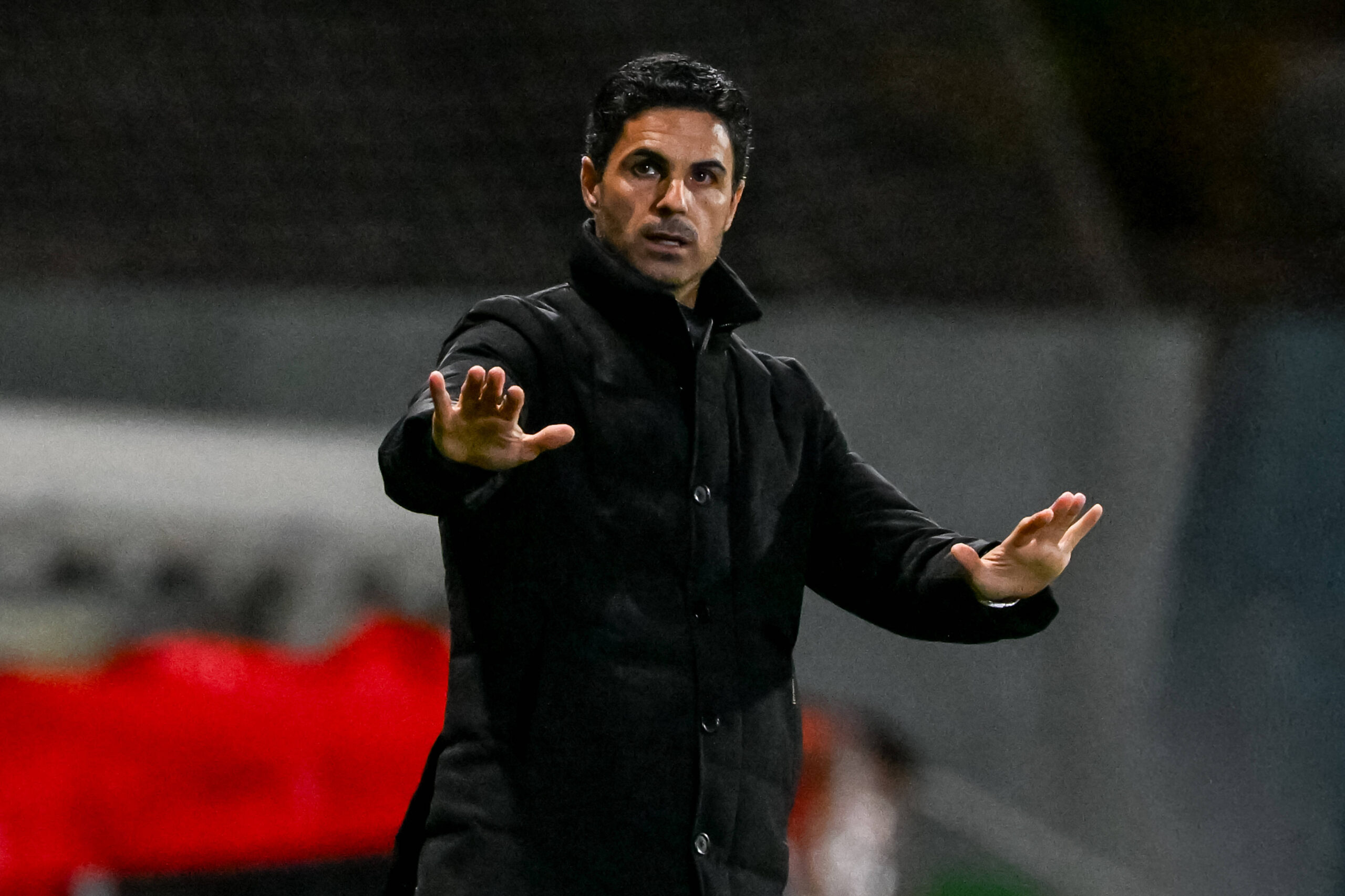
The academy, by contrast, has been a silent goldmine. Bukayo Saka, Emile Smith Rowe, and Reiss Nelson emerged from the same Hale End production line that now boasts Ethan Nwaneri, Myles Lewis-Skelly, and Chido Obi-Martin. These are not just prospects; they are tactical archetypes, already steeped in Arteta's positional play. The infrastructure is there, the pathway is laid, but the trust has been withheld at critical moments. Arteta's conservatism in big games last season — his fear of unleashing his bench until it was too late — is the real threat to their crown.
The case for an internal solution
Arsenal's engine room needs freshening. Mohamed Elneny is gone, Thomas Partey's body is a minefield, and Granit Xhaka, while sterling, is not eternal. In Nwaneri, they have a No. 10 with vision beyond his years; in Lewis-Skelly, a left-sided midfielder with the grit of a seasoned pro. These are not raw projects; they are the products of the most advanced youth system in the country. The data from the under-21s is startling: Nwaneri averages nearly three chances created per 90, and his pressing intensity is off the charts. Lewis-Skelly's pass completion rate in the final third is higher than any senior midfielder last season.
- Ethan Nwaneri, 17, has already outshone every Hale End graduate at his age, including Saka. He must be given 20 starts this season.
- Myles Lewis-Skelly's positional versatility earns him a place in the matchday squad every week, not just in the Carabao Cup.
- Chido Obi-Martin's goal-scoring rage in the youth teams demands a cameo in the Premier League before the clocks go back.
The financial logic is equally compelling. With FFP's maths increasingly perverse — the same rules that saw Everton docked points while Chelsea splashed billions — developing internal talent is the only sustainable chess move. Buying Alvarez would cost a fee north of £80m and wages that would disrupt the dressing room's carefully calibrated hierarchy. Risking Nwaneri costs nothing but nerve. The returns, if they flourish, are multifold: a player who bleeds the club's values, who can be resold for pure profit, and who will not agitate for a move after two seasons.
But what if they aren't ready?
The counter-argument is familiar: the Premier League is ruthless, title races are for the experienced, and youth players wilt under pressure. The ghosts of past failures — the 'Class of 92' at United were an exception, not the rule — haunt the rhetoric. Yet the evidence of last season contradicts the caution. When Arteta finally trusted Nwaneri in the dead rubber against Sheffield United, he tore the game open. When Lewis-Skelly was thrown into the Caicedo-ravaged midfield at Brighton, he matched the Ecuadorian's intensity. The so-called 'gamble' is not a leap of faith; it is a calculated bet on the most rigorously coached players in England.
Coventry's 3-0 defeat, while expected, allowed these kids a cameo. Their brief appearance was more vibrantly incisive than any 90 minutes by a veteran substitute all season. The system is ready. The manager's ethos is ready. The only thing left is the nerve of the boardroom. Liverpool won the title with Trent Alexander-Arnold as a first-choice fixture. Man City's own academy — though mined by rivals — produced Phil Foden, a player who would be a starter at any other club. Arsenal's youth are every bit as talented; the question is whether they will be given the stage.
Verdict: Arteta must trust youth or watch his lead vanish
The title defence will succeed or fail on this axis. In the next ten days, with the transfer window slammed shut, Arsenal must resist the panic buy and instead announce that Nwaneri will start at least 20 Premier League games this season. If Arteta bottles it, if he defaults to the Xhaka-Partey axis until their legs creak, the spring will bring inevitable fatigue, inevitable injuries, and a chasing pack snapping at their heels. It will not be a crash — it will be a slow, agonizing fade, and City will pounce. But if he embraces the risk, if he lets the kids breathe the rarefied air, Arsenal will not just retain the title but do so with a verve that transcends trophies. I predict a top-three finish and a domestic cup final appearance if Nwaneri starts fewer than 15 league games. If he reaches 20, they finish first. That is the margin of this season's courage.
Related Articles
Filed under: Opinion | LA Premier League Home