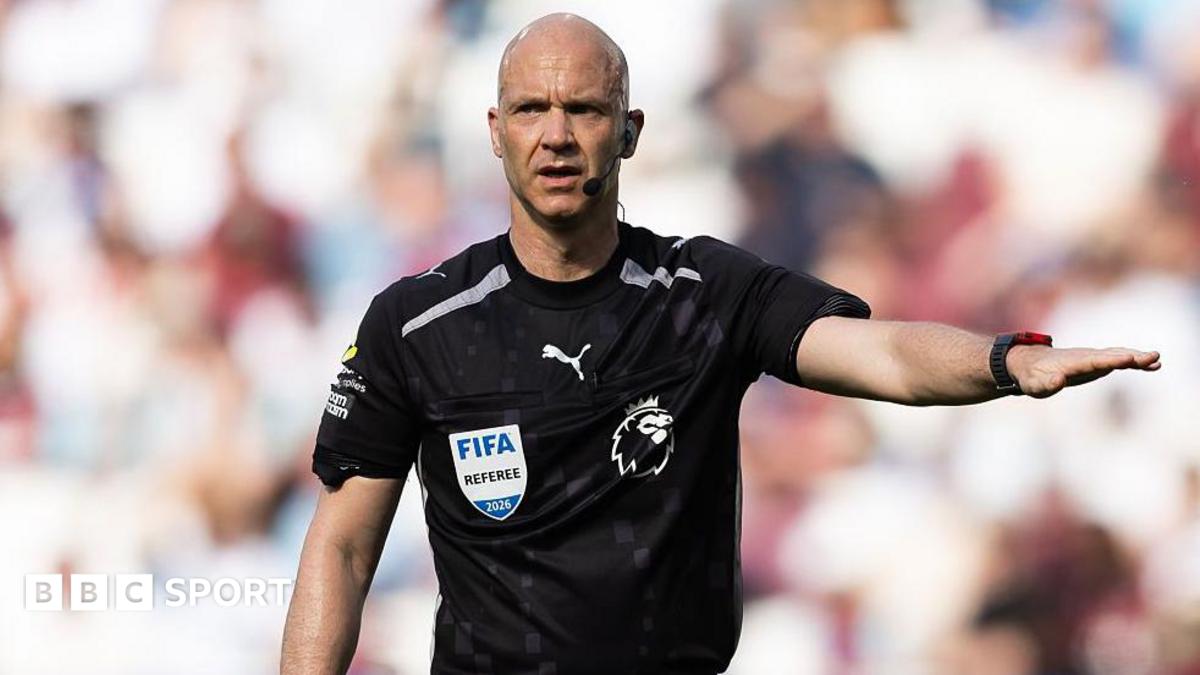

Faster VAR and Semi-Automated Offside: A Blueprint for the Premier League
The 2022 World Cup in Qatar showcased technological advances that could reshape the Premier League. Faster VAR decisions, semi-automated offside technology, and a concept of managed momentum delivered a smoother, more engaging tournament. The league should take notes.
Context: How the World Cup Trialled New Tech
FIFA introduced semi-automated offside technology using 12 tracking cameras and a sensor in the ball. Decisions were delivered in an average of 25 seconds, compared to Premier League VAR delays often exceeding a minute. The system produced 3D animations for broadcast, improving fan understanding.
Goal-line technology, already a Premier League staple, was complemented by the 'connected ball' — a sensor inside the Adidas Al Rihla that detected when the ball was played, aiding offside calls. FIFA also allowed referees to explain decisions via stadium microphones, a transparency measure the Premier League has resisted.
Managed momentum refers to the enforced cooling breaks during the tournament’s warm conditions, but the phrase has broader implications. It describes a structure where play is allowed to flow, with minimal stoppages for VAR checks. The World Cup averaged 56 minutes of active play per match, higher than the Premier League’s 54.
Impact on the Premier League: Tactical and Competitive Consequences
Faster VAR and semi-automated offside would reduce the mental burden on defenders. Currently, defenders must hold their line until a delayed flag or VAR check. A 25-second decision cycle would allow quick resumption, favouring high-pressing systems that rely on continuous focus.
Manchester City’s high line, for example, would benefit from fewer prolonged VAR pauses, as Pep Guardiola’s side presses intensely and needs sharp concentration. Tottenham’s deep block under Ange Postecoglou would also face fewer disruptions, as marginal offside calls would be resolved rapidly.
Semi-automated offside would reduce human error. The Premier League saw 17 VAR errors in the 2023/24 season according to the Key Match Incidents panel. Eliminating subjective offside judgments could cut that number significantly. The technology’s 3D animations would also enhance fan experience in stadiums and on broadcasts, potentially increasing engagement and revenue.
Fantasy Premier League implications: Faster VAR reduces the chance of disallowed goals after long delays, giving FPL managers more certainty. Players like Erling Haaland (currently 63% ownership) would benefit from quicker decisions that don’t disrupt rhythm. Upcoming fixtures for top forwards become more predictable.
- Faster VAR reduces game time lost to delays — currently 2 minutes per match on average.
- British broadcasters could adopt FIFA’s 3D offside graphics, improving transparency.
- Managed momentum could lead to 2-3 extra minutes of active play per half, increasing scoring opportunities.
What Next: Premier League’s Path to Adoption
The Premier League has tested semi-automated offside in the 2024/25 season but has not yet fully implemented it. A vote among the 20 clubs will be required for permanent use. Given the success at the World Cup and positive feedback from managers, full adoption is expected before the 2025/26 campaign. If the league wants to maintain its status as the world’s most competitive, it must embrace the technology that made the World Cup a smoother spectacle.
Related Articles
Filed under: Opinion | LA Premier League Home