
Group Stage Chaos: The Numbers Behind the 2026 World Cup
The 2026 World Cup group stage has already delivered chaos. With 48 teams, 12 groups and a brand-new round of 32, the tournament has more jeopardy and more moving parts than ever before.
Why the Expanded Format Changes Everything
The increase from 32 to 48 teams has dramatically altered the competitive landscape. Historically, the group stage often featured mismatches, but the new structure forces top sides to stay alert from the first whistle.
Early statistics show a higher frequency of surprise results compared to previous tournaments. The additional knockout round means every point in the group stage carries extra weight, as finishing second no longer guarantees a simpler path.
Data analysts have noted that the average number of goals per game has risen slightly, driven by mismatches between the strongest and weakest sides in each group.
Key Statistical Trends Emerge
- More teams are playing with a high defensive line, likely due to the pressure of needing goal difference.
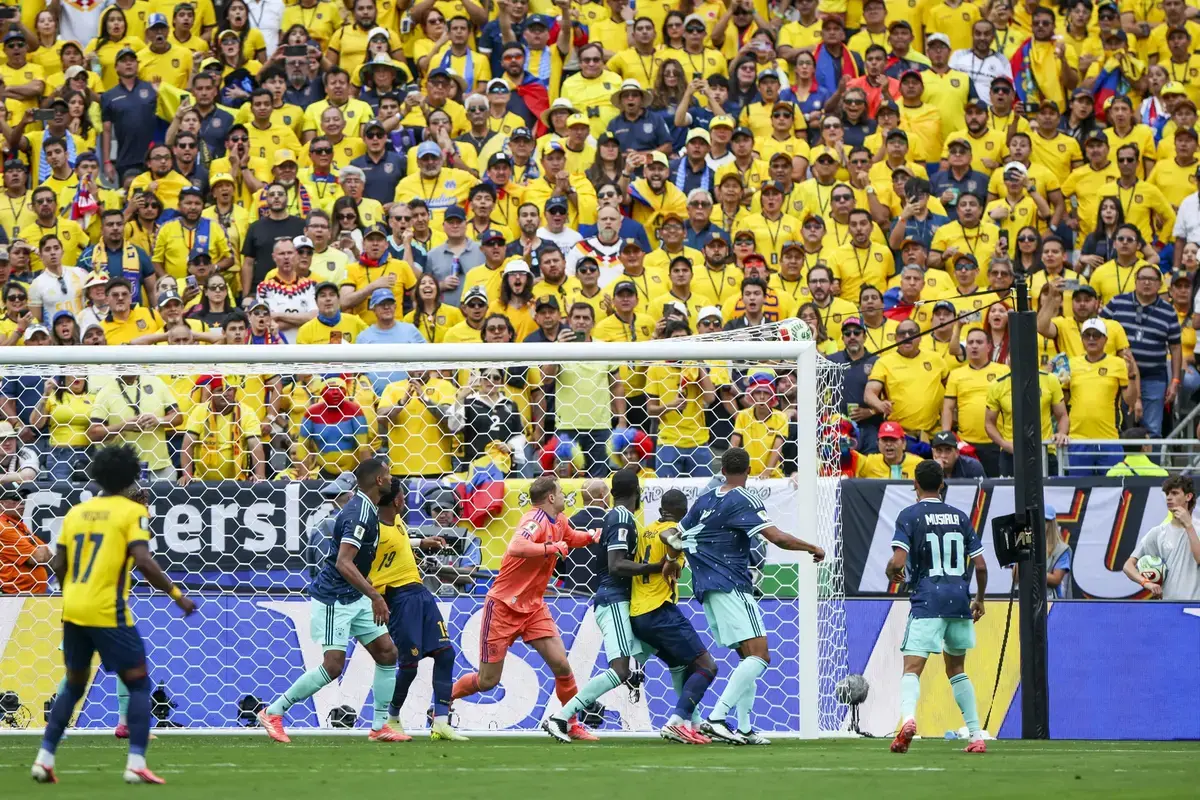
- Set-piece goals have increased, accounting for a greater share of total goals than in the 2022 edition.
- Possession statistics show a wider spread, with underdog sides averaging lower possession but higher conversion rates on counter-attacks.
What These Numbers Mean for the Knockout Stages
The eye-catching statistics from the group stage set the stage for a compelling knockout phase. Teams that have conceded few goals will feel confident, while those relying on goal difference may need to adjust their approach.
The expanded round of 32 introduces additional variables: fixture congestion, travel fatigue, and squad rotation will become critical factors. Managers must balance momentum with freshness, making statistical models more important than ever.
For fantasy football enthusiasts, the data highlights which players are overperforming or underperforming relative to expectations, offering potential differentials for the next rounds.
Historical Precedent and What Comes Next
The 2026 World Cup's numbers already differ from the 2022 edition. The tournament in Qatar saw an average of 2.69 goals per game; early data suggests this year's average could be higher, driven by the expanded group stage.
If the trend of early chaos holds, the knockout rounds could see more upsets as lower-ranked teams gain confidence from their group-stage performances. The statistics so far underline that the new format has achieved its goal of increasing unpredictability.
All eyes will now turn to the round of 32 matches as teams seek to advance. The numbers will continue to evolve, but the foundation has been laid for a tournament defined by statistical surprises and tactical adaptation.
Related Articles
Filed under: Latest News | LA Premier League Home