
The Premier League's grand illusion is collapsing under the weight of its own contradictions
The Premier League's profit and sustainability rules were sold as a mechanism for fairness, a level playing field where ambition met accountability. But the reality is starker: a two-tier system where state-owned clubs exploit regulatory loopholes while traditional owners are hamstrung. Newcastle United's transformation under Saudi Arabia's Public Investment Fund is the clearest example yet of how financial fair play has become a shield for the wealthy.
When sponsorship became a state apparatus
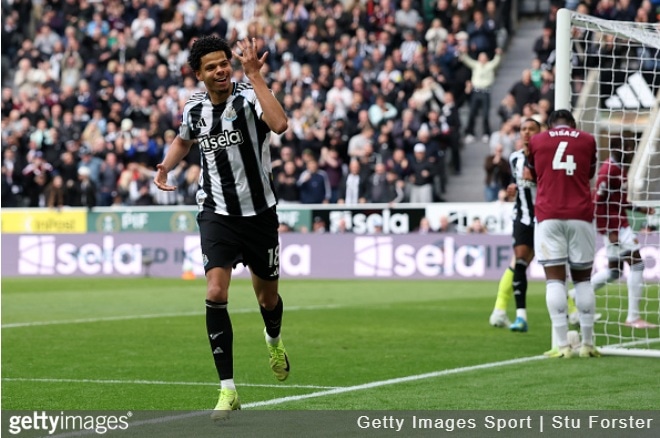
In 2021, Newcastle's controversial takeover by PIF, backed by the Saudi sovereign wealth fund, raised eyebrows. But the real game began when the club announced a series of sponsorship deals with Saudi-linked entities. The £25m-a-year shirt sponsorship from Sela, a Saudi events company, was immediately questioned: was this fair market value? The Premier League's associated party transaction rules were meant to prevent exactly this, yet the deals sailed through.
Compare this to Everton's struggles. The Toffees were docked 10 points for breaching FFP by £19.5m over a three-year period — a sum dwarfed by the value Newcastle's deals added to their revenue. The difference? Everton's commercial partners are third-party. Newcastle's are a function of state policy.
The numbers that expose the farce
The Premier League's financial regulations allow clubs to lose up to £105m over three seasons. Newcastle, under PIF, have spent over £400m on transfers since 2021 while staying within the letter of the law. How? Through inflated sponsorship valuations that turn sovereign wealth into legitimate revenue.
- Newcastle's commercial revenue jumped from £15m in 2020-21 to £45m in 2022-23, according to Deloitte — a 200% increase driven almost entirely by state-linked deals.
- Manchester City's Etihad sponsorship, worth £67.5m annually, was deemed 'fair' despite similar owned-party concerns, setting a precedent Newcastle has followed.
- Chelsea's new ownership, Clearlake Capital, cannot replicate this — their £30m-a-year Infinite Athlete deal faces constant scrutiny because it's arms-length.
The template is clear: buy a club, inflate sponsorship via state connections, and outspend everyone else. FFP becomes a rubber stamp.
The rebuttal that doesn't hold water
There is a counter-argument: that Newcastle's spending is prudent, that they've sold players well, that their revenue growth is organic. But the evidence suggests otherwise. The club's matchday revenue remains around £40m — lower than Leicester's. Their global fanbase is growing, but not at a rate that explains a tripling of commercial income in two years.
Critics also point to the Premier League's new financial controls — a cap on spending relative to revenue. But this ignores the loophole: if a state owner can funnel money through 'fair' sponsorship, the cap lifts itself. Newcastle's revenue of £250m last season, up from £140m in 2021, is the product of a sovereign sugar daddy, not commercial brilliance.
Newcastle will win the Premier League within five years — and FFP will be the vehicle, not the obstacle
The Premier League faces a choice: enforce its rules honestly — including a thorough review of state-linked sponsorships — or accept a new order where sovereign wealth dictates the table. Aston Villa, Brighton, even Manchester United cannot compete with a club whose owner prints money by decree. The next title race will be fought not on grass, but in boardrooms and arbitration chambers. And unless the Premier League grows a spine, Newcastle's ascent is inevitable — a victory not for sport but for statecraft.
Related Articles
Filed under: Opinion | LA Premier League Home