Manchester United reveal location for new 100,000-seater stadium
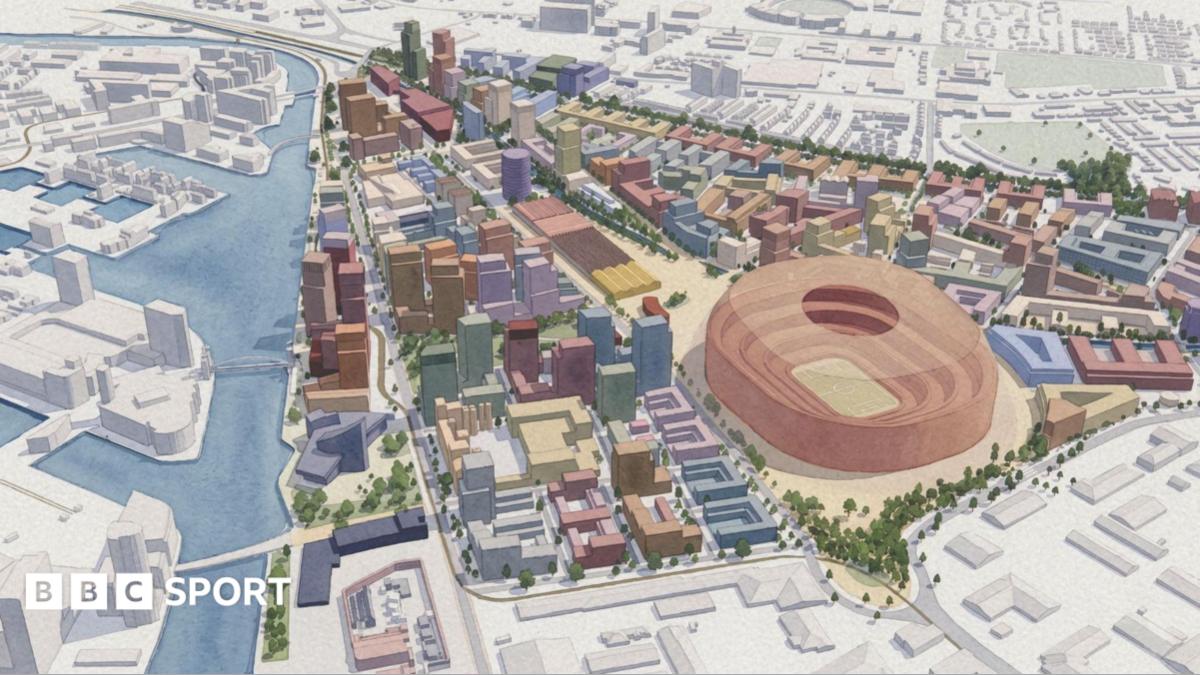
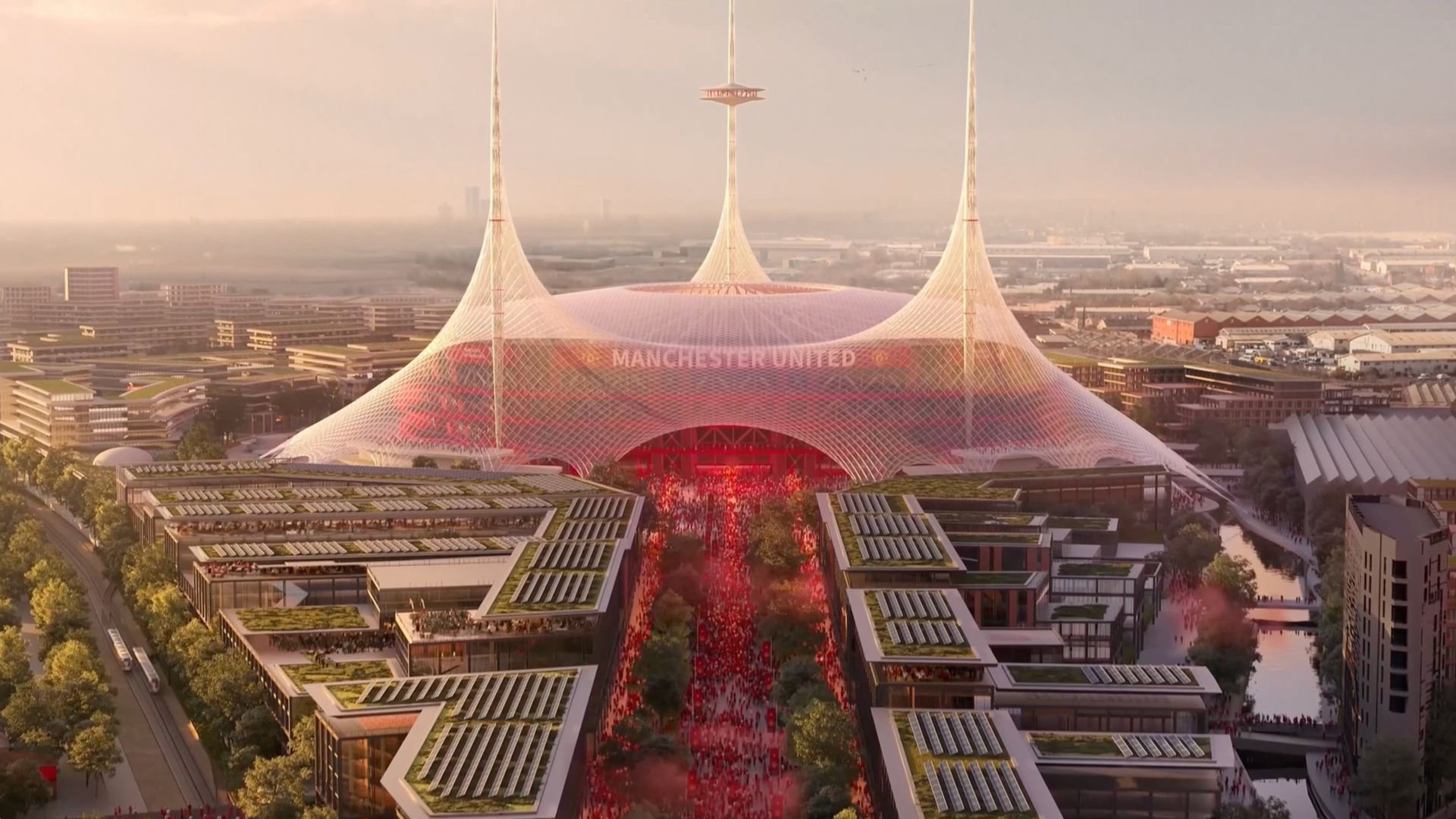
Manchester United have announced the location for their proposed new 100,000-seater stadium, a major step in the club's long-term infrastructure plans. The revelation comes as the club seeks to modernise its home ground and increase matchday revenue.
Background and context
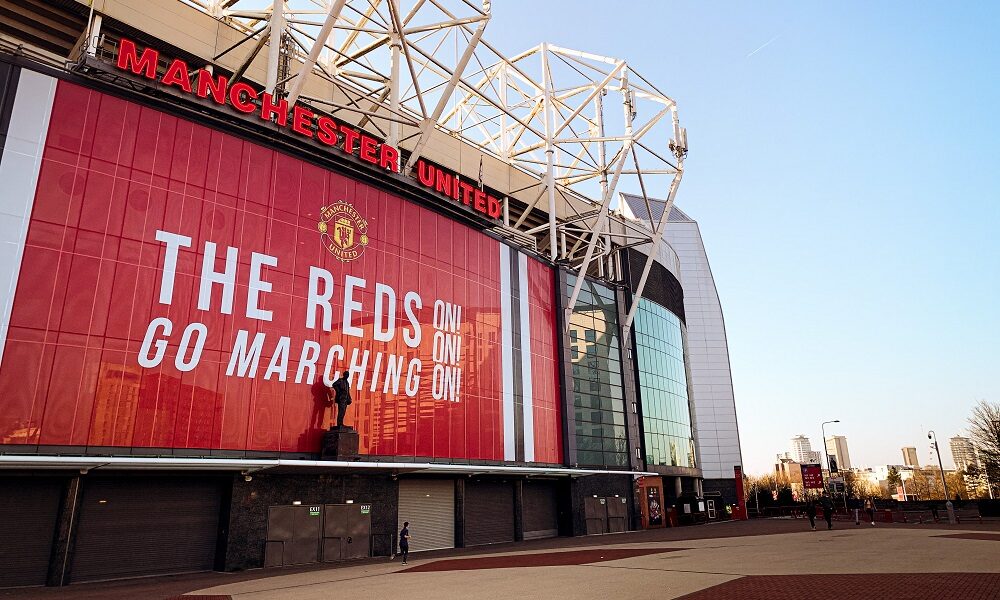
The decision to build a new stadium marks a significant departure from previous plans to redevelop Old Trafford, the club's home since 1910. Old Trafford, with a current capacity of 74,310, has been the subject of ongoing debates about its suitability for the modern era. Issues such as limited expansion potential and ageing facilities have prompted the club to explore alternative options.
Manchester United's chief executive confirmed that the new stadium would be located on land adjacent to the existing Trafford Park site, allowing the club to maintain its historic connection to the area. The project is expected to cost several billion pounds and could take up to five years to complete. Once built, the 100,000-capacity venue would become the largest club stadium in the United Kingdom, surpassing Wembley's 90,000.
The move is part of a broader trend among top Premier League clubs to invest in state-of-the-art facilities. Tottenham Hotspur's 62,850-seater stadium, opened in 2019, set new standards for fan experience and commercial income. Manchester City's Etihad Stadium has also undergone significant expansions, raising capacity to 53,400.
Impact on the club and fans
The new stadium would dramatically increase matchday revenue through higher ticket sales, premium hospitality, and corporate events. This financial boost could help Manchester United compete with rivals for top talent in the transfer market. However, fans have expressed mixed emotions about leaving Old Trafford, a venue steeped in history and tradition.
The club has emphasised that the new stadium will incorporate cutting-edge technology, sustainable design, and improved transport links. Plans include a dedicated fan zone, museum, and retail complex, aiming to create a year-round destination. The project is also expected to create thousands of jobs during construction and operation.
From a sporting perspective, the increased capacity could enhance the atmosphere on matchdays, potentially giving United a stronger home advantage. The club's average attendance this season has been around 73,500, with many matches sold out. A 100,000-seater would allow more fans to attend, reducing the black market for tickets and strengthening the connection between the team and its global fanbase.
- Old Trafford's capacity is 74,310; the new stadium would add over 25,000 seats.
- Construction could begin within two years, pending planning permission.
- The club has consulted with fan groups throughout the decision-making process.
What's next for Manchester United
Manchester United will now submit detailed plans to the local council, with a public consultation expected in the coming months. The club aims to secure planning permission by 2026, with a potential opening in the 2030-31 season. Until then, Old Trafford will continue to host matches. The success of the project will depend on financing, with the Glazer family likely to seek outside investment. If realised, the stadium could transform Manchester United's commercial prospects and ensure its competitiveness for decades.
Related Articles
Filed under: Club News | LA Premier League Home