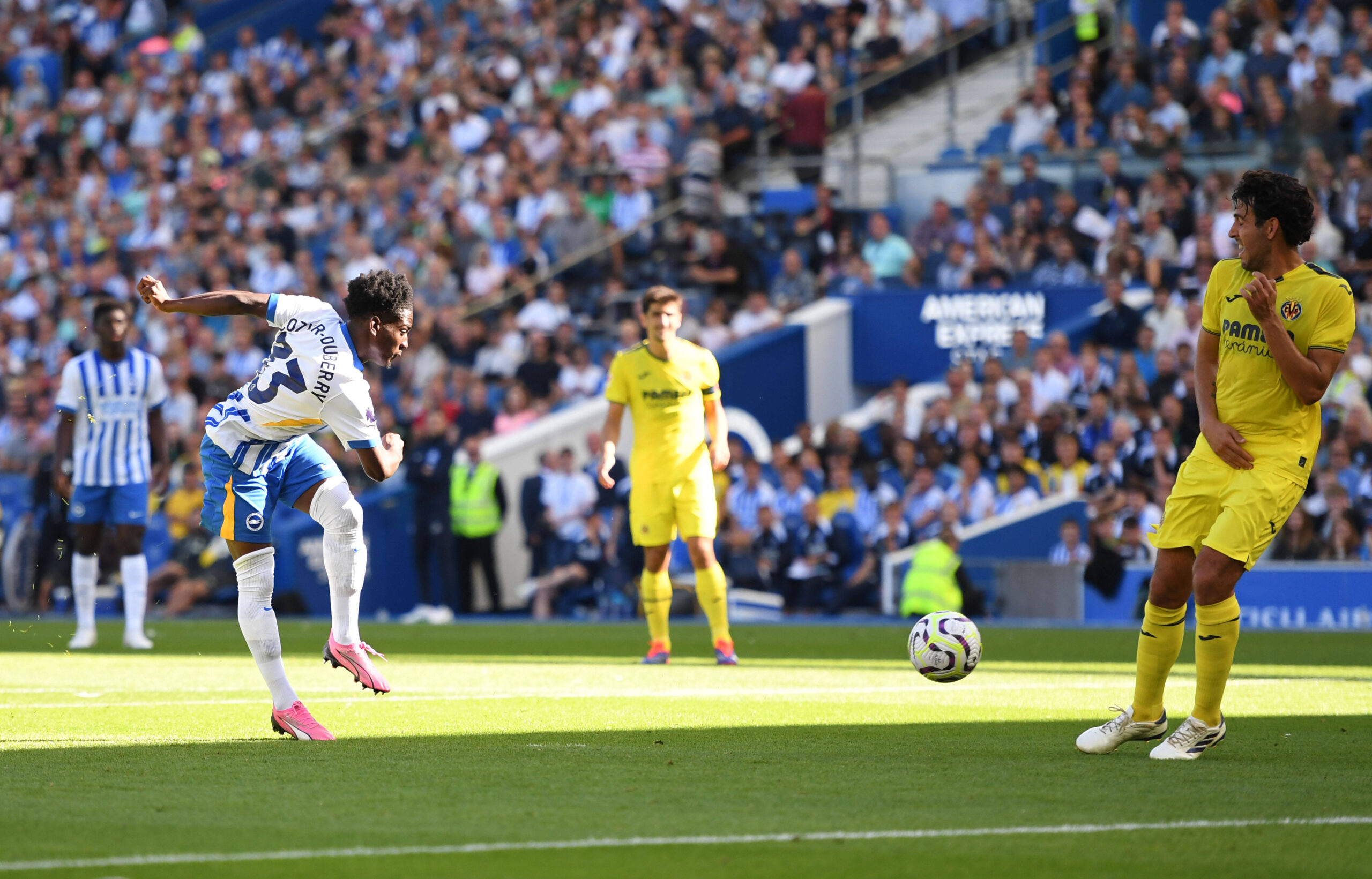

The £50m Man Who Exists in Shadow
João Pedro cost Brighton £30m, a club record fee. He has scored in back-to-back seasons, created chances at elite rates, and dragged Brighton through injury crises. Yet the mainstream media treats him as a trivia answer — a forgettable name in a system of interchangeable parts. The football economy has a blind spot for strikers who do not fit the archetype of the £100m star, even when they deliver exactly what the market claims to value.
The False Economy of the Glamour Striker
When PSG slapped a £145m valuation on Bradley Barcola in January, the football world nodded. When Manchester City and Chelsea haggle over Pedro Neto for £60m, the narrative is one of strategic brilliance. But João Pedro, who has outscored both in 2024-25 per 90 minutes in expected goals plus assists, is a footnote. This is the inverted logic of the modern transfer market: potential is priced exponentially higher than production. A player who actually produces ends up trapped in a system that rewards the promise of production more.
Barcola has 5 league goals this season. João Pedro has 8 in a team that lost its top scorer and its manager mid-campaign. Yet one is a £145m asset and the other is barely mentioned in transfer rumours. The gap is not about footballing output — it is about narrative tax. João Pedro is Brazilian but lacks the flashy highlight reel that triggers bidding wars. He is effective, intelligent, and versatile — qualities that the transfer market systematically undervalues because they cannot be packaged into a tent-pole signing announcement.
The Tactical Glue Brighton's System Needs
João Pedro is not just a goalscorer; he is Brighton's most complete attacker. He drops into midfield to progress play, drifts wide to overload full-backs, and presses with an intensity that fits Roberto De Zerbi's successor's demands. Even under the system change, his underlying numbers are remarkable:
- Top among Brighton attackers in shot-creating actions per 90 (4.1).
- Second in the squad for progressive passes received, showing how he finds space in tight areas.
- Leads the team in penalties won, a direct reflection of his dribbling in the box — three spot-kicks in 2024-25.
When Brighton needed a goal against Aston Villa, João Pedro scored a late equaliser. Against Chelsea, he created the winning chance out of nothing. These moments do not make him a £100m player in the eyes of the media, but they make him indispensable to his club.
The Counter-Argument: A System Player, Not a Star
The sceptic will argue that João Pedro thrives in Brighton's collaborative framework, that his numbers are inflated by a system designed to maximise attacking output. They will point to his 3 goals across the previous calendar's run-in, or his occasional poor decision-making in the final third, as evidence he is merely a good player in a good system. The same accusation is levelled at many Brighton attackers — Leandro Trossard, Moisés Caicedo — and later disproved when they move. Except João Pedro does not want to move. He is not agitating for a transfer, not leaking stories to agents. That lack of noise is costing him the narrative spotlight.
The rebuttal is simple: Brighton's system has never been a guarantee of personal success. Under the previous manager, players like Deniz Undav needed time to adapt. Ansu Fati, a marquee loanee, floundered. João Pedro arrived from Watford, a team that was relegated, and immediately became Brighton's most reliable creator. That is not a system making a player look good; that is a player making a system work despite upheaval. He has done it under three different coaches — De Zerbi, the interim, and the new permanent appointment.
Prediction: Brighton Will Make £60m and the Media Will Claim It Was Obvious
By summer 2026, João Pedro will be sold for no less than £60m, likely to a club like Tottenham or Aston Villa. The media will rewrite history, praising Brighton's recruitment genius and noting how his contributions were quietly vital. They will frame it as a classic Brighton move — buying low, selling high. But the columnists who ignored him for two seasons will not examine why they missed it. The blind spot will remain, ready to overlook the next unsung player who does not fit a £100m template. João Pedro's career will continue as an object lesson: the market does not reward the player who produces; it rewards the player whose story can be sold.
Related Articles
Filed under: Opinion | LA Premier League Home