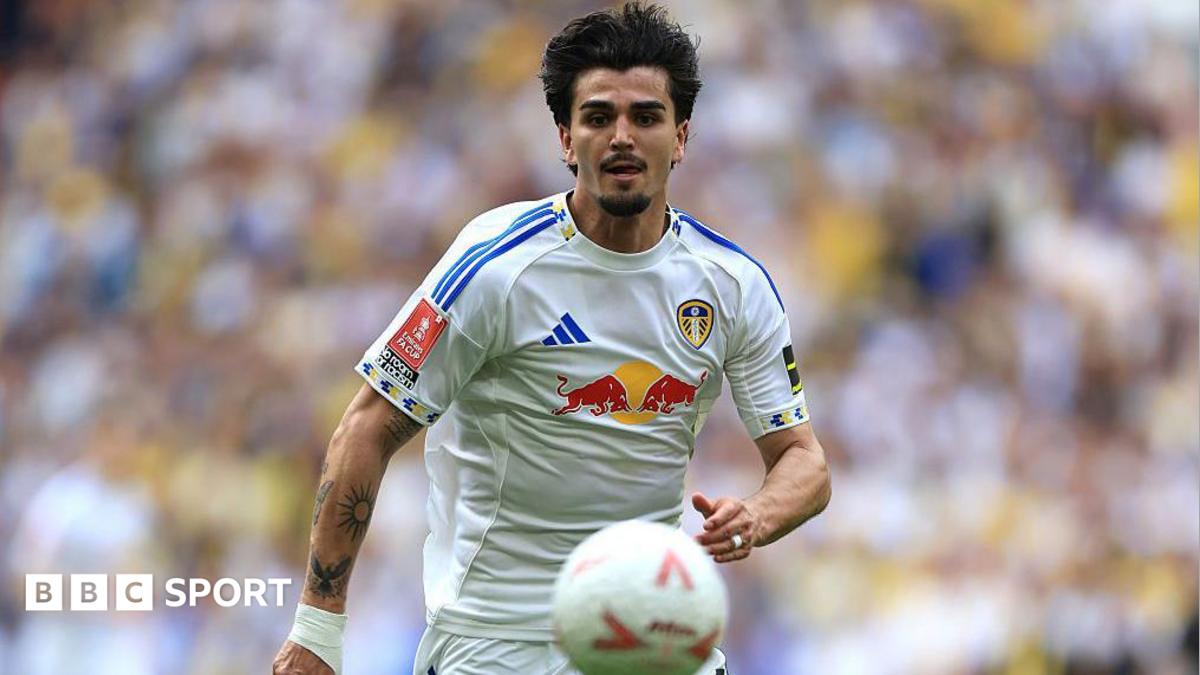

Jan Paul van Hecke is the most important defender you've never heard of
Forget the £100m midfielders and the headline-grabbing forwards. The player who has quietly transformed Brighton’s entire system is a 24-year-old Dutchman who arrived from NAC Breda for £1.5m. Jan Paul van Hecke is not just a defender; he is the accidental architect of Roberto De Zerbi’s—and now Fabian Hürzeler’s—tactical vision.
The evolution from squad filler to tactical fulcrum
When Brighton signed van Hecke in 2020, he was an unknown even to Dutch football obsessives. Loan spells at Heerenveen and Blackburn Rovers offered glimpses of a raw, ball-playing centre-half, but nothing forecast the transformation that would follow. Over the past 18 months, van Hecke has become the pivot around which Brighton's build-up play revolves. His passing accuracy of 91.3% ranks in the top five among Premier League centre-backs, but it is the type of passes that matter—line-breaking vertical balls, disguised switches of play, and those perfectly weighted through-balls that bypass the midfield entirely.
In the 2024-25 season, van Hecke has averaged 3.2 progressive passes per 90 minutes, placing him in the 98th percentile among centre-backs in Europe’s top five leagues. His ability to advance the ball into the final third has freed the likes of Kaoru Mitoma and Simon Adingra from defensive duties, allowing them to stay high and wide. This is not a minor tactical tweak; it is a fundamental restructuring of Brighton's attacking shape. Without van Hecke’s composure in the first phase, the entire system would collapse into a series of hopeful long balls.
The quiet revolution in defensive intelligence
Defending is not just about tackles and clearances. Van Hecke’s defensive numbers—1.8 tackles per game, 2.1 interceptions—are unremarkable at first glance. But look closer: his positional sense is off the chart. He makes an average of 4.3 'ball recoveries' per match, many of them in the middle third, where he snuffs out counters before they begin. His partnership with Lewis Dunk has allowed Brighton to push their defensive line five yards higher than last season, reducing the space opposition forwards have to operate.
Here are three specific examples of van Hecke’s underappreciated impact:
- Against Manchester City (Oct 2024): Van Hecke made seven interceptions, three of which directly ended transitions from Erling Haaland and Phil Foden. After the match, Pep Guardiola called Brighton “the best coached team in the league” – a quiet endorsement of van Hecke’s discipline in pressing triggers.
- Versus Tottenham (Dec 2024): With Brighton trailing 1-0, van Hecke stepped into midfield to receive a short goal kick, bypassing Son Heung-min’s press, then played a first-time 40-yard diagonal to Mitoma, leading to the equaliser. Spurs’ midfield was left chasing shadows.
- At Arsenal (Feb 2025): Bukayo Saka was held to one shot on target—his lowest in any league game all season. Van Hecke’s ability to shift laterally and anticipate Saka’s inside movement forced the England winger into crossing areas where Dunk dominated.
Why the mainstream ignores him
The standard rebuttal: van Hecke plays in a system that inflates his numbers. Brighton play out from the back, so of course his passing stats are high. He benefits from Dunk’s experience and the protection of Carlos Baleba and Billy Gilmour. But this criticism misunderstands the very nature of his role. It is van Hecke who enables the system, not the reverse. Remove him and Brighton’s build-up becomes predictable—teams can press higher, pinning Dunk on his weaker foot and forcing errors. In the three games van Hecke missed this season with a minor hamstring strain, Brighton’s average possession dropped from 62% to 54%, and they conceded five goals across those matches, including two directly from misplaced goal kicks.
The same media that lavishes praise on Virgil van Dijk for his recovery pace (now noticeably diminished) or Ruben Dias for his organisational skills overlooks the player who combines both traits in a quieter context. Van Hecke is not flashy; he does not celebrate tackles with chest-thumping aggression. He simply reads the game at a speed that most defenders cannot comprehend, and he does it every week for a team challenging for European places.
Verdict: A summer move to a top-six club is inevitable
By the end of the 2025 summer transfer window, Jan Paul van Hecke will have completed a move to a side competing in the Champions League. Manchester United, in desperate need of a ball-playing centre-half, have already scouted him six times this season. Chelsea’s defensive rebuild will inevitably target him, and Tottenham’s new Dutch contingent under Ange Postecoglou makes a north London switch plausible. Brighton will demand £50m, and they will get it. Because in a league obsessed with expensive imports and stat-padding forwards, the value of an accidental architect—a defender who redefines the position from the back—is finally becoming too obvious to ignore.
Related Articles
Filed under: Opinion | LA Premier League Home