Germany Head to 2026 World Cup with Rare Momentum Under Nagelsmann
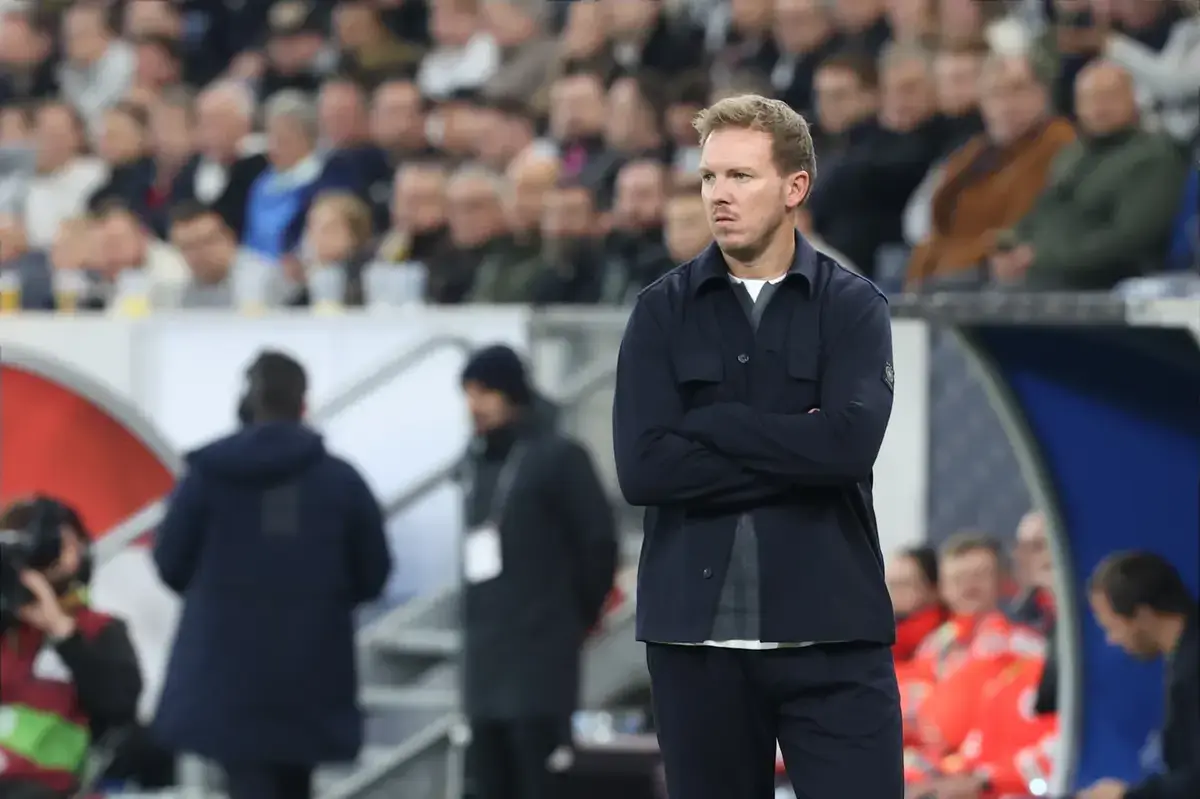
Germany enter the 2026 World Cup carrying something they have not experienced in recent tournaments: genuine upward momentum. Under head coach Julian Nagelsmann, Die Mannschaft aim to return to the pinnacle of world football after a period of transition and disappointment.
The Context: A Rebuilding Phase Yields Positive Signs
Germany's decline after their 2014 World Cup triumph has been well documented. Early exits in 2018 and 2022, coupled with group-stage elimination at Euro 2024 on home soil, left the national team searching for a new identity. Nagelsmann's appointment brought a tactical overhaul, blending youthful exuberance with experienced campaigners.
Recent performances suggest the team is gelling. A string of encouraging results in qualifying and friendlies has built belief. The squad now boasts a mix of seasoned professionals and emerging talents, creating healthy competition for places.
Tactical Approach and Key Personnel
Nagelsmann has instilled a high-pressing, possession-based system similar to his club philosophy. The team's defensive organisation has improved, while attacking patterns are becoming more fluid. Key players such as Jamal Musiala and Florian Wirtz provide creativity from midfield, offering a blend of dribbling and vision that could unlock stubborn defences.
- Defensive solidity: Clean sheets in four of the last six matches indicate a growing resilience.
- Midfield dynamism: The combination of Joshua Kimmich's experience and the energy of younger talents allows for control and transition.
- Attacking depth: Multiple goalscorers have emerged, reducing reliance on a single striker.
What This Means for the Tournament
Germany's recent upward trajectory puts them among the dark horses rather than overwhelming favourites. This shift in perception could work in their favour, reducing external pressure. However, the group stage will test their mettle against physical and tactically varied opponents.
Nagelsmann's ability to adapt his tactics mid-game will be crucial. The squad's depth allows for changes in formation, potentially switching between a back three and a four-man defence depending on the opponent. This flexibility could be decisive in knockout rounds.
Historical Precedent and Comparable Situations
Germany's situation mirrors that of Spain in 2010, who arrived at the World Cup after a period of rebuilding following their 2008 European Championship success. That Spanish side used possession and defensive solidity to claim the trophy. Similarly, Italy in 2006 entered the tournament amid domestic scandal but emerged victorious through collective spirit and tactical discipline.
The current German squad lacks a single dominant personality like past legends but compensates with squad unity and tactical clarity. Key will be navigating the first match, often a tournament's defining moment.
Looking Ahead: The Path to Glory
Germany's opening fixture will set the tone. A strong start could propel them deep into the competition, while a sluggish performance might reignite doubts. The knockout draw, should they advance, likely includes formidable opponents such as Brazil, France, or Argentina.
Nagelsmann's tactical acumen and the team's momentum provide reasons for optimism. Yet the margin for error in international football is razor-thin. Germany's journey will hinge on whether their upward trajectory can withstand the pressure of do-or-die moments under the world's spotlight.
Related Articles
Filed under: Latest News | LA Premier League Home