
Fulham's Tactical Flatline: Arbeloa Inherits a Broken Clock
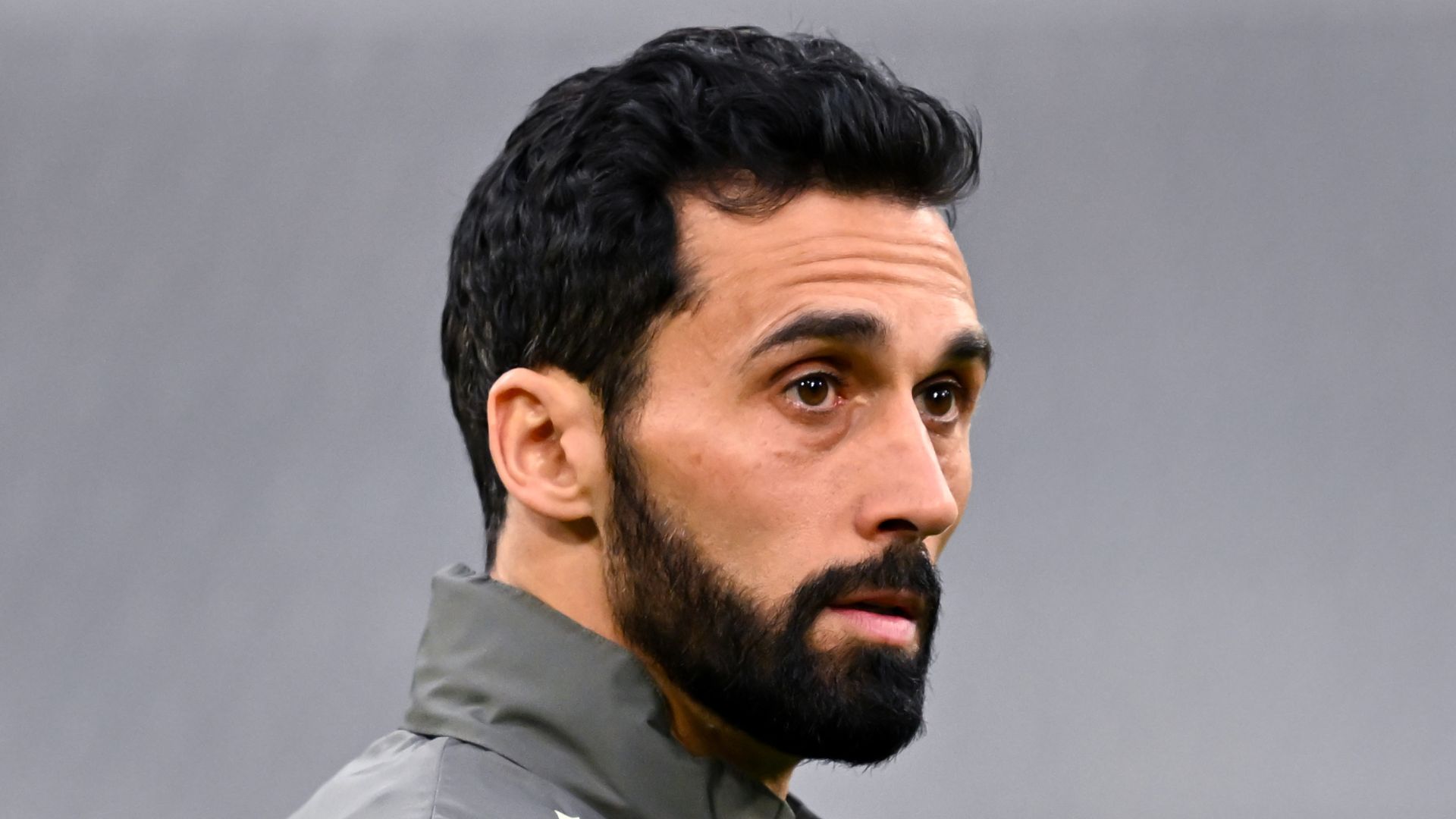
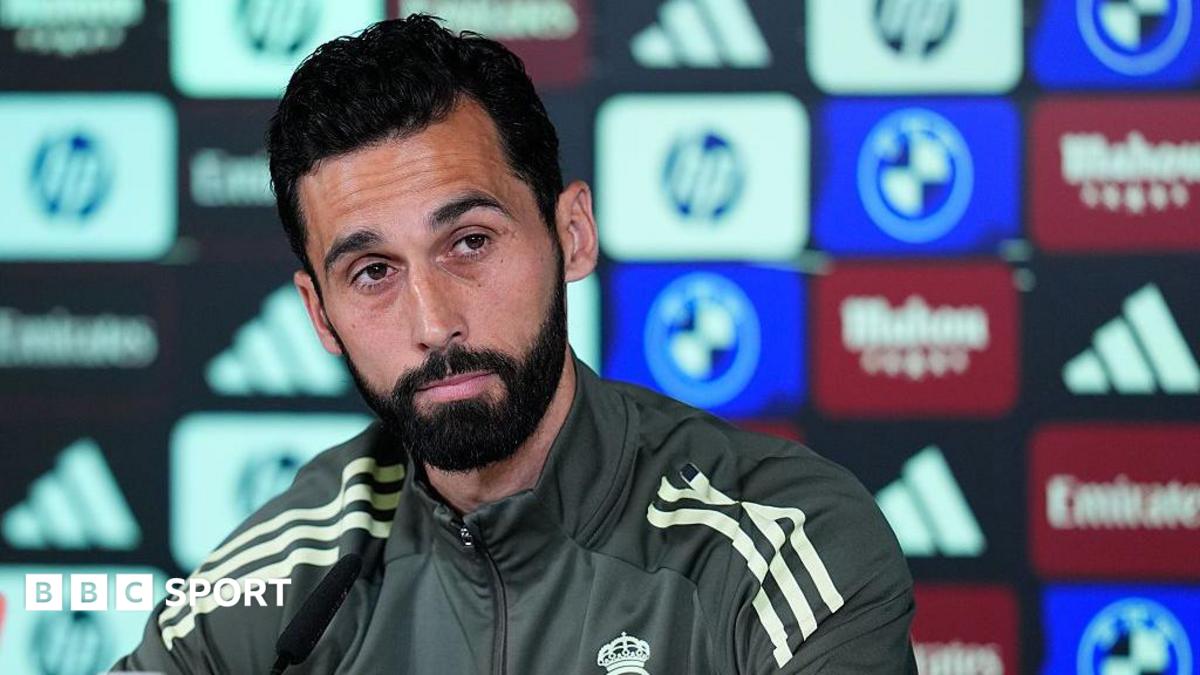
Alvaro Arbeloa's appointment at Craven Cottage has been greeted with polite curiosity, but the truth is less kind. Fulham are not a project on the rise; they are a side whose underlying numbers have been screaming regression for 18 months. Arbeloa inherits a squad that is tactically schizophrenic, caught between Marco Silva's transitional fireworks and the grim reality of a relegation battle.
The Silva Hangover: Attack at All Costs, Defend at None
Marco Silva built Fulham on the principle that attack is the best form of defence, but the data exposed the fault lines. In 2023-24, Fulham ranked 16th for expected goals against (xGA) per game — a statistic that flattered them due to Bernd Leno's heroics. Their high press, intense in possession, became a sieve without the ball: opponents averaged 1.8 dangerous passes into the box per game, the third-worst in the league. Silva's system demanded midfield runners but left Joao Palhinha isolated, turning the Portuguese anchor into a firefighter rather than a controller.
Arbeloa's Madrid Legacy: Defensive Rigour Meets Midtable Reality
Arbeloa arrives with a reputation forged under José Mourinho: defensive structure, compactness, and a refusal to be beaten. At Real Madrid Castilla, he preached positional discipline — his teams conceded an average of 0.9 goals per game in his final season. But Fulham's squad is not built for such austerity. The full-backs — Antonee Robinson and Kenny Tete — are marauding outlets, not disciplined sitters. The centre-backs lack quick recovery pace. And the midfield press, once sharp, has dulled: Fulham allowed 14 shots per game from high-turnover situations last season, a hallmark of a team caught in no-man's land between pressing and sitting deep.
- Fulham's PPDA (passes per defensive action) rose from 10.2 in 2022-23 to 12.5 in 2023-24, indicating a less effective press without Willian's industry.
- Their defensive transitions conceded 0.28 xG per chance — the worst in the division outside the relegated trio.
- Arbeloa inherits a midfield with an average age of 28.6: Palhinha, Andreas Pereira, and Tom Cairney are brilliant in bursts but lack the legs for a high-intensity system.
The Counter: Arbeloa Can Adapt — But at What Cost?
Some argue that Arbeloa's background in elite dressing rooms and his Celta Vigo assistant stint (where he worked with Eduardo Coudet's gegenpressing) prove tactical flexibility. Coudet's Celta were pressing monsters: they ranked fifth in La Liga for high turnovers. But Fulham's squad has none of Celta's youthful athleticism. The 4-2-3-1 Arbeloa favoured at Castilla could switch to a 4-4-2 mid-block, but that would mean benching one of Pereira or Cairney — creative fulcrums who need freedom to unlock deep blocks. And what of Palhinha? Dropping him into a double pivot might protect the defence, but it would blunt his ball-winning aggression that made him a cult hero. The result is a tactical compromise that pleases no one: safe but stale, organised but predictable.
Verdict: Arbeloa Will Be Sacked by Boxing Day 2025
Fulham will start 2025-26 in the Championship. Arbeloa's appointment is a marriage of convenience, not conviction: the board wanted a cheap, medium-term solution after Silva's exit. The underlying data points to a team that overperformed its expected points by eight in 2023-24 — and regression is already baked in. By November 2025, the attendances at Craven Cottage will dip below 20,000, and the board will pull the trigger. The only question is whether Arbeloa can salvage his reputation before the axe falls. The smart money says no.
Related Articles
Filed under: Tactical Analysis | LA Premier League Home