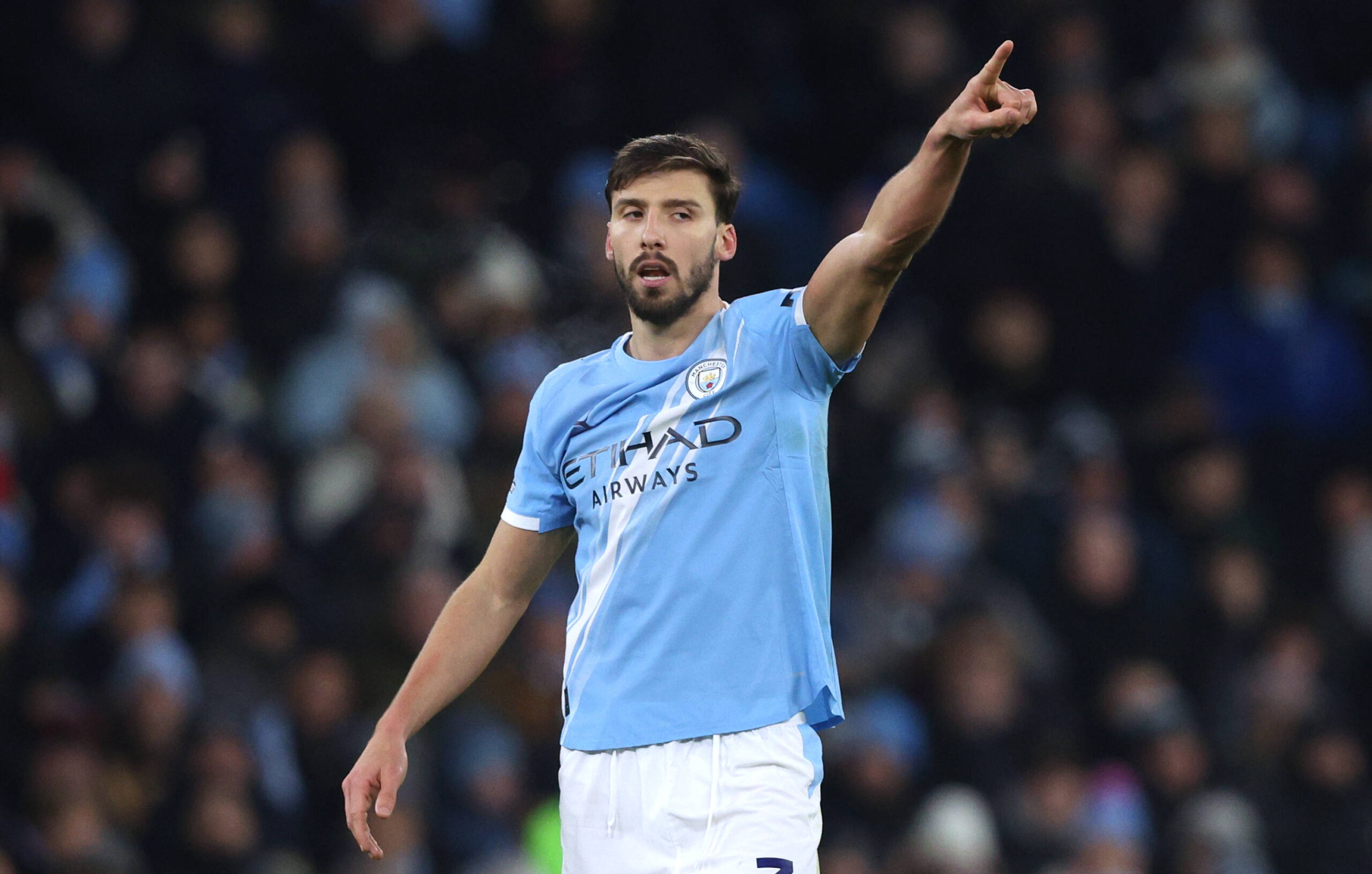

Manchester City's youth setup is not a development machine but a profit-maximising hedge fund in tracksuits.
The procession of talented teenagers signed, loaned and sold without a single first-team start is not a flaw in the system; it is the system. The $190m profit from academy sales since 2020 masks a deeper rot: the ghost of a club that once believed in organic growth.
From Jadon Sancho to Romeo Lavia: The pipeline that breaks before it delivers
Sancho left for Borussia Dortmund for £8m in 2017, becoming a £73m star — for someone else. Lavia, signed from Anderlecht at 17, sold to Southampton for £14m after zero City appearances, now worth £50m at Chelsea. The pattern is relentless: James Trafford, Liam Delap, Shea Charles, Carlos Borges — all sold for combined fees near £100m, none with a single Premier League minute for City.
Compare this with Barcelona’s La Masia, which produced Xavi, Iniesta and Messi in one generation. Or Manchester United’s Class of ‘92. Even Chelsea’s academy, chaotic as it is, has sent Mason Mount, Reece James and Trevoh Chalobah into the first team. City’s assembly line produces only financial return, not footballing legacy.
The argument: Why hoarding talent hurts more than a thin squad ever could
City’s strategy is not about developing players for Pep Guardiola; it is about generating profit to balance the books after £1.5bn in net transfer spending since 2008. The model works financially but creates three structural problems:
- First, it suppresses the academy pathway. The best 16-year-olds know that even if they outperform, they will be loaned out three times then sold. This pushes elite talent — like Sancho — to leave early, selecting against City.
- Second, it inflates the transfer budget but starves the first team of cultural continuity. A club that sells its own can never build the identity that sustained Barcelona or Ajax. There is no City DNA; there is only the market.
- Third, it creates a squad of mercenaries on both sides: senior players on huge wages who know they are replaceable, and young players who treat City as a stepping stone. The lack of homegrown loyalty costs in moments of adversity, as seen in their limp Champions League final defeat to Chelsea in 2021.
The counter-argument: Financial sustainability and the modern game
Some argue City’s model is simply rational. The Premier League’s spending rules force clubs to generate revenue; academy sales are a clean profit. Why risk developmental minutes for an 18-year-old when a £70m signing from Leipzig guarantees performance? The treble in 2023 silenced many critics; results are undeniable.
But this reasoning confuses survival with success. City have never produced a player who started a Champions League final for them. Phil Foden is the exception — and notice how he was not sold precisely because his father is a City fan and he threatened to leave if not given a chance. Even then, Guardiola did not fully trust him until his fourth professional season. The club’s record of promoting defenders or goalkeepers is virtually non-existent. City’s business model works only if you disregard the intangible cost: the slow erosion of a club’s soul.
Verdict: By 2027, no academy graduate will start more than 15 league games in a season for City unless Foden is the only one left.
As Guardiola’s reign ends, the pipeline will remain a financial tool, not a footballing one. The next manager — likely a tactical pragmatist — will demand ready-made players, not raw youth. City’s academy will continue to polish gems for the rest of Europe while the first team buys brilliance. The house always wins, but it never builds a home.
Related Articles
Filed under: Opinion | LA Premier League Home