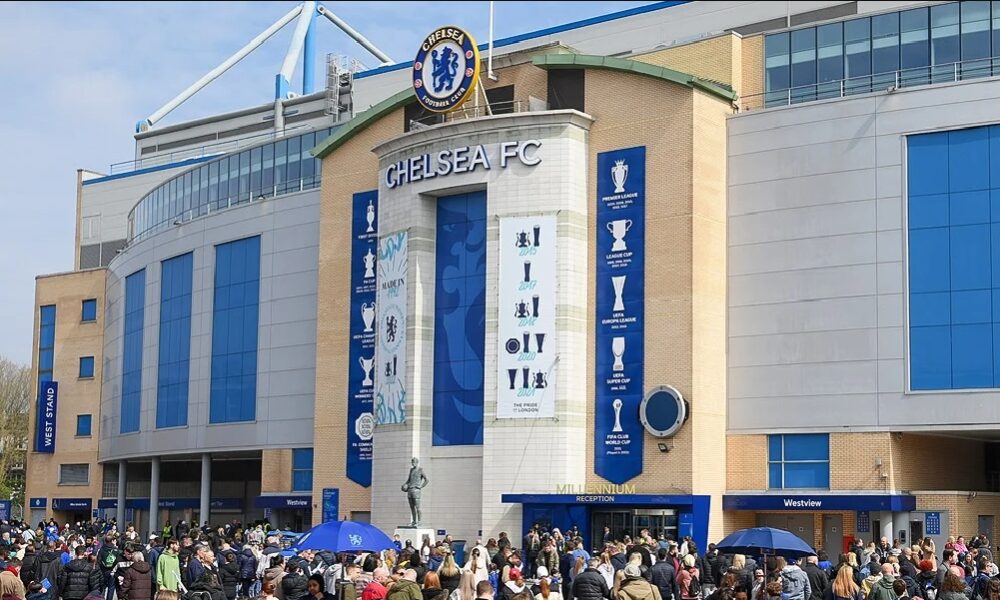

Chelsea's Academy Dream Is a Convenient Fiction
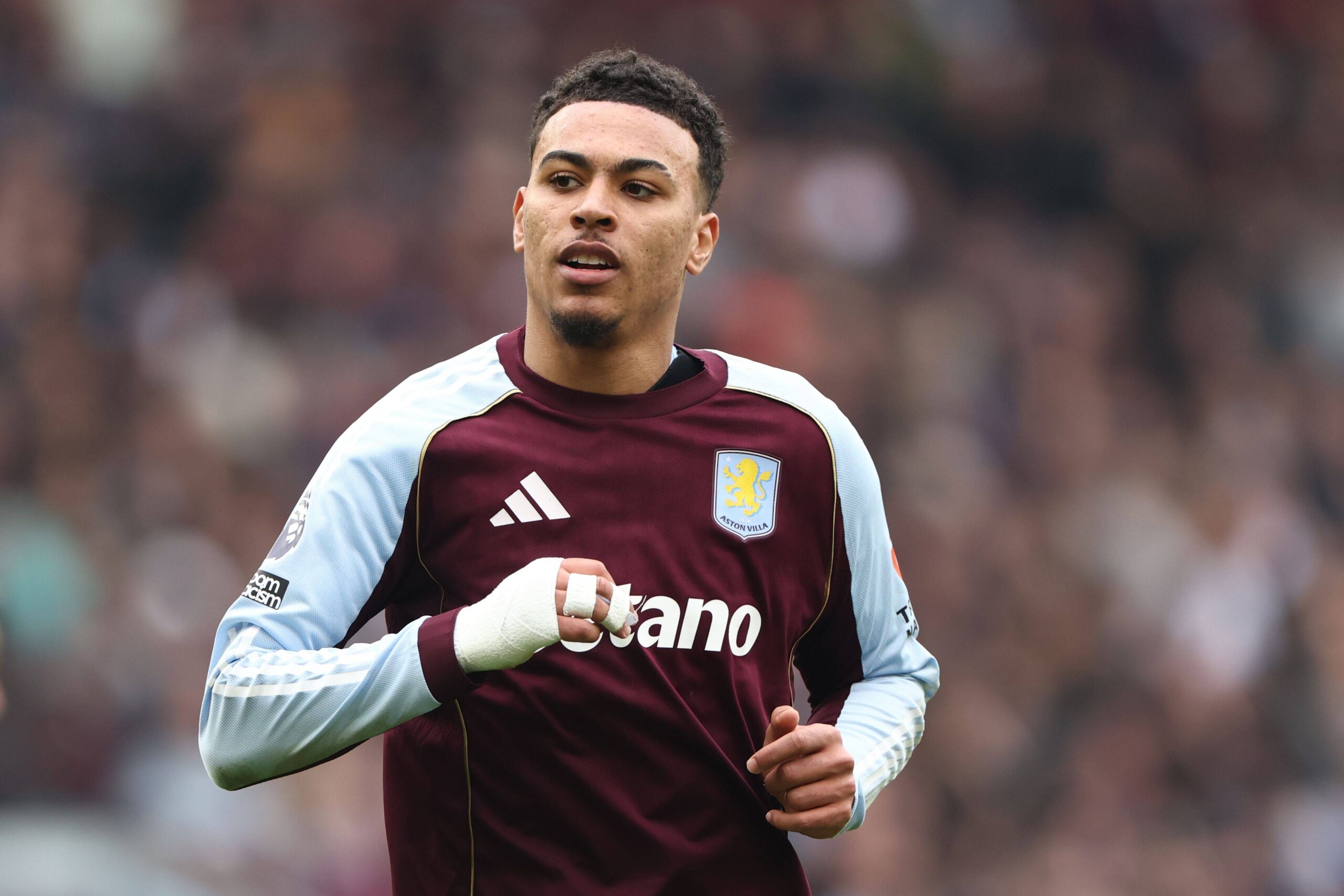
For a club that has spent a decade selling itself as a youth development powerhouse, Chelsea's £117m deal for Morgan Rogers is the most damning indictment yet. The academy is a selling club's marketing gimmick, not a first-team production line.
From Cobham to Commodity: The Pattern Emerges
Since 2010, Chelsea have generated over £300m in player sales from academy graduates. But only two have become consistent first-team starters: Reece James and Mason Mount. Mount was shipped to Manchester United. James is perpetually injured. The rest—Livramento, Guehi, Lamptey, Abraham, Tomori—were let go for profit, not kept for performance.
Contrast with Manchester City, who have integrated Phil Foden, Rico Lewis, and Oscar Bobb. Or Arsenal's Hale End graduates Saka, Smith Rowe, Nketiah, and Nelson. Both clubs have nurtured talent into their core. Chelsea have cashed out and bought substitutes.
The Rogers Fee Exposes the Contradiction
Morgan Rogers left Manchester City's academy aged 17, joined Middlesbrough, then Aston Villa. He has made 14 Premier League starts. And Chelsea are paying £117m to bring him back—£117m that could have funded the academy for years. The message to Cobham is clear: you are a profit centre, not a talent pool.
- Chelsea have spent over £1bn on transfers since Todd Boehly's takeover, including £107m on Enzo Fernández, £100m on Moisés Caicedo, and now £117m on Rogers—none of them academy products.
- In the same period, they have sold or let go of 13 academy players who now play in the Premier League or Europe, including Billy Gilmour, Marc Guéhi, and Fikayo Tomori.
- Chelsea's only academy graduate to make a significant first-team impact in the last five years is Mason Mount, who was sold in 2023 for £60m. The net profit on Mount was £60m; the net cost of Rogers is £117m.
The Counter-Argument: You Buy Ready-Made Winners
Some will argue that Chelsea's model works: they win trophies. Since Roman Abramovich's arrival, they have won 22 major honours. Buying proven talent—or high-potential talent like Rogers—is a shortcut to silverware. Had they waited for academy players to develop, they might not have won the Champions League in 2012 or 2021.
But that argument collapses under scrutiny. Chelsea's two Champions League wins came with squads built around Terry, Lampard, and Drogba—none academy products, but the 2012 side featured only one homegrown starter. The 2021 final started no academy graduates. Meanwhile, Manchester City, who supposedly rely on buying success, started Foden in their 2023 final. Arsenal's 2023-24 title challenge was powered by Saka and Smith Rowe. Chelsea's spending has bought instability, not certainty. Since Boehly's takeover, Chelsea have sacked two managers, finished 12th, and cycled through 41 first-team players. The £117m on Rogers is a bet on a player with 14 starts. That is not a winning strategy; it is a gamble.
Verdict: The Cobham Mirage Will Explode
By 2027, Chelsea will have sold at least three more academy graduates for combined fees exceeding £100m, while continuing to buy ready-made stars for triple that amount. The academy will be repurposed as a profit-generation subsidiary, not a first-team feeder. When the FFP scrutiny intensifies or the transfer bubble bursts, Chelsea will have no homegrown core to lean on. The Cobham dream will be remembered as a clever accounting fiction, not a footballing philosophy.
Related Articles
Filed under: Opinion | LA Premier League Home