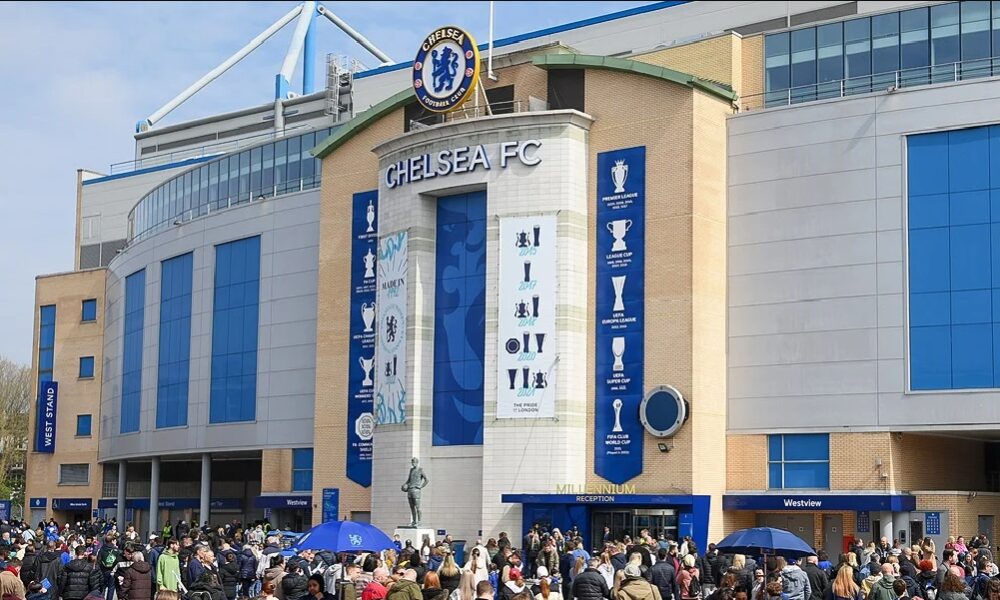

Chelsea’s Academy Is a Goldmine They Are Systematically Devaluing
For a club that has spent over £1bn on transfers since Todd Boehly’s takeover, Chelsea’s academy graduates are treated less like future stars and more like currency. The blueprint that produced John Terry, Frank Lampard, and Mason Mount is being gutted for short-term profit.
Cobham’s Fall from Grace
Between 2000 and 2020, Chelsea’s youth system was the envy of English football. The 2019-20 side had six academy products in the first team; by 2024-25, that number had dropped to two. The current regime has sold or loaned out Conor Gallagher, Callum Hudson-Odoi, Ruben Loftus-Cheek, and Lewis Hall, raising over £100m in pure profit. But the cost has been squad cohesion and identity.
Consider the contrast with Arsenal, who built around Bukayo Saka and Emile Smith Rowe through lean years, reaping rewards in title challenges. Or Manchester City, who integrate Phil Foden and Rico Lewis into a winning system. Chelsea, meanwhile, see their academy stars as amortisation write-offs.
The Strategy: Assets Over Athletes
Chelsea’s transfer model under the new ownership is explicit: sign young players on long contracts, amortise costs, and sell at a premium. The result is a bloated squad of over 40 senior professionals, many of whom have no pathway to the first team. This approach devalues the very pipeline that produced their most beloved icons.
- Ethan Nwaneri case: Chelsea are reportedly pushing to sign the 17-year-old Arsenal midfielder for £40m. They want another academy star to extract value from, not develop for themselves.
- Conor Gallagher sold: The England international, a Cobham graduate and fan favourite, was shipped to Atletico Madrid for £34m to balance books, despite being one of the few players who understood the club’s soul.
- Omari Hutchinson and Mason Burstow: Sold for profit without a single Premier League start between them. Hutchinson now impresses at Ipswich; Burstow is at Hull. Chelsea pocketed ~£10m combined.
Counterpoint: The Financial Logic
Defenders of the model point to Profit and Sustainability Rules (PSR). Selling academy graduates counts as pure profit because their book value is zero. This allowed Chelsea to stay compliant after spending extravagantly. They also argue that few academy players are good enough for a title-chasing side. But that argument ignores the fact that Chelsea have not been title challengers since 2017, and that the academy players they sold are thriving elsewhere while the club languishes in mid-table.
The £40m pursuit of Nwaneri is emblematic of this contradiction. Why pay a premium for an unproven Arsenal teenager when you could cultivate your own? Because flipping a purchased asset is easier than nurturing a homegrown talent. The club prefers the certainty of a transfer fee to the uncertainty of development.
Verdict: A Club Without a Core
By 2027, unless Chelsea reverses course, they will be the first Big Six club to field a senior squad entirely devoid of homegrown players. Expect two of their current U21s — Alfie Gilchrist or Tyrique George — to be sold next summer for pure profit. The rot isn’t in the academy; it’s in the boardroom’s spreadsheet mentality.
Related Articles
Filed under: Opinion | LA Premier League Home