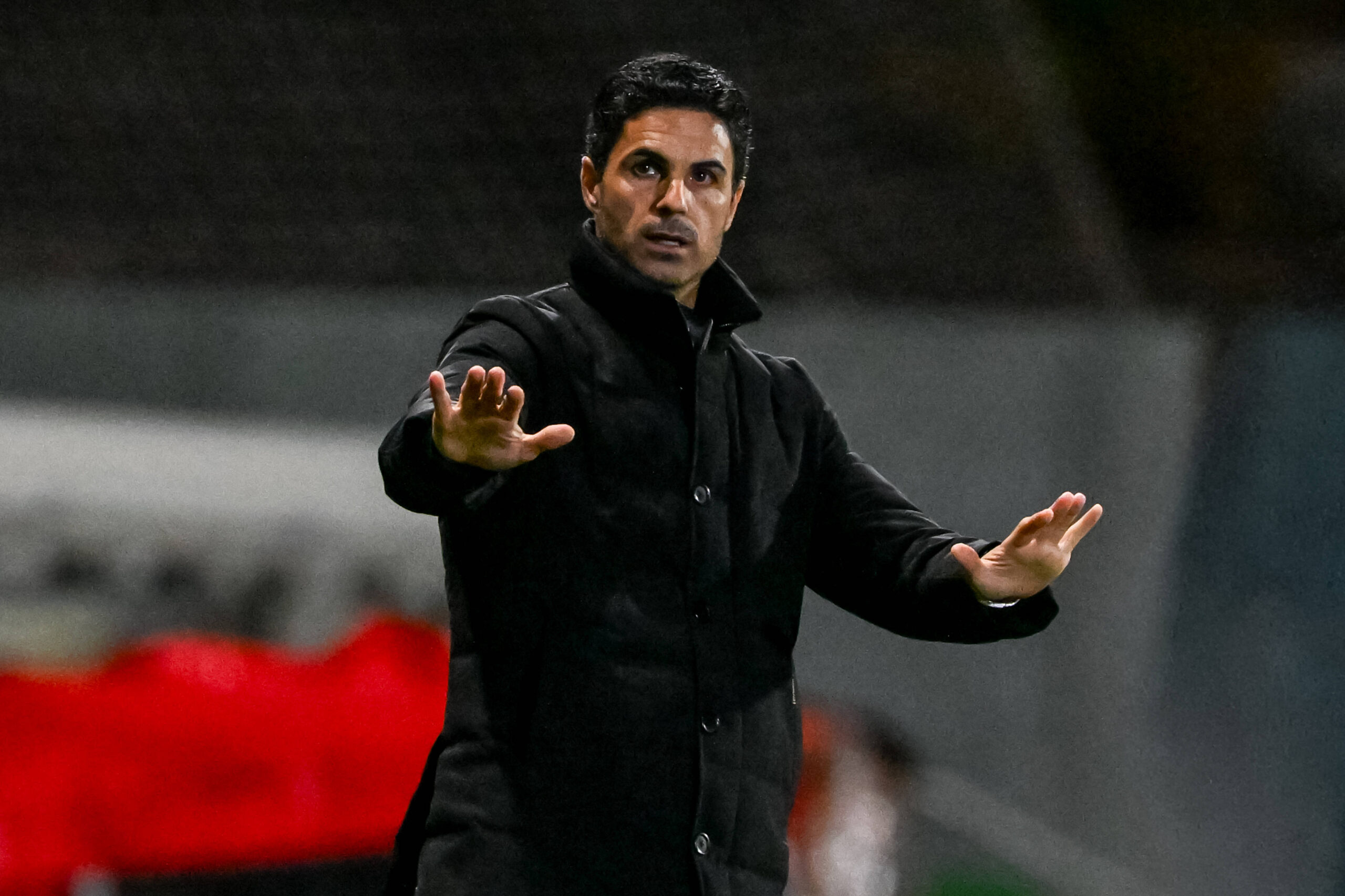

Arsenal's Transfer Evolution: From Frugality to Heavy Investment
Arsenal's transfer history has undergone a dramatic transformation in recent years. Once a club renowned for financial prudence and developing young talent, the Gunners now routinely break their own transfer records to secure elite players. This shift reflects a broader ambition to compete with Europe's wealthiest clubs, and the north London side's record signings tell a story of changing priorities and rising expectations.
For much of Arsène Wenger's reign, Arsenal were celebrated for their ability to find hidden gems and nurture homegrown talent. The club's record transfer fee stood at a modest £15 million for Sylvain Wiltord in 2000, a figure that was not surpassed for over a decade. However, the departure of key players and increased commercial revenue forced a change in approach, culminating in a series of blockbuster deals that have redefined the club's transfer strategy.
The Mesut Özil and Alexis Sánchez Era: A New Benchmark
The arrival of Mesut Özil from Real Madrid for £42.5 million in 2013 was a watershed moment. It signalled Arsenal's intent to compete with Europe's elite in the transfer market, and the German playmaker's creative genius added a new dimension to the Gunners' attack. Two years later, Alexis Sánchez joined from Barcelona for £35 million, and his explosive energy and goalscoring prowess elevated Arsenal to title contenders.
These signings were not just about on-pitch impact; they also boosted the club's global profile and commercial appeal. Özil and Sánchez became the faces of Arsenal's marketing campaigns, helping to increase revenue and attract a new generation of supporters. Yet, despite these marquee arrivals, Arsenal struggled to maintain consistency in the league, and the departure of both players in 2018 marked the end of an era.
Record-Breaking Signings Under Unai Emery and Mikel Arteta
Following Özil and Sánchez, Arsenal continued to invest heavily in high-profile signings. In 2019, they broke their transfer record by signing Nicolas Pépé from Lille for £72 million. The Ivorian winger's arrival was a statement of intent, but his inconsistent form and hefty price tag drew criticism. Meanwhile, the appointment of Mikel Arteta as head coach in December 2019 brought a fresh tactical vision and a renewed emphasis on defensive solidity.
Under Arteta, Arsenal have made several record-breaking acquisitions, including the £50 million signing of Ben White from Brighton in 2021 and the £65 million capture of midfielder Thomas Partey from Atlético Madrid. The most significant, however, came in the summer of 2023 when the club spent a staggering £105 million to bring Declan Rice from West Ham United. This move made Rice the most expensive British player ever, surpassing the £100 million Manchester City paid for Jack Grealish two years earlier.
Impact on the Pitch and Financial Fair Play
These record signings have had a profound impact on Arsenal's on-field performance. The injection of top-tier talent has transformed the squad, with Rice providing a formidable presence in midfield, White adding composure to the defence, and Pépé's directness offering a threat on the wing. According to reports, Arsenal's net spend over the past three seasons has exceeded £300 million, reflecting a deliberate strategy to close the gap on Manchester City and Liverpool.
However, such expenditure comes with financial risks. Under UEFA's Financial Fair Play regulations, clubs must balance their books, and Arsenal's heavy investment has required careful management of player sales and commercial deals. The sale of academy graduates like Folarin Balogun and Emile Smith Rowe has helped offset costs, but the club's wage bill has soared to over £200 million annually.
Tactical Evolution and Future Prospects
Arteta has tailored his tactics to maximise the strengths of these record signings. Rice's arrival has allowed the manager to deploy a double pivot, giving the defence added protection while freeing up Martin Ødegaard to operate as a creative number ten. Similarly, White's versatility has enabled Arteta to switch between a back four and a back three without compromising structure.
Looking ahead, Arsenal's record spending shows no signs of slowing. The club is reportedly targeting a new striker and a winger in the next transfer windows, with a budget expected to exceed £150 million. These acquisitions will be crucial as the Gunners aim to dethrone Manchester City in the Premier League and make a sustained challenge in the Champions League. The precedent set by their recent signings suggests that Arsenal are willing to spend big to achieve success, and their supporters will hope that this investment finally yields the silverware that has eluded the club since 2004.
Related Articles
Filed under: Club News | LA Premier League Home