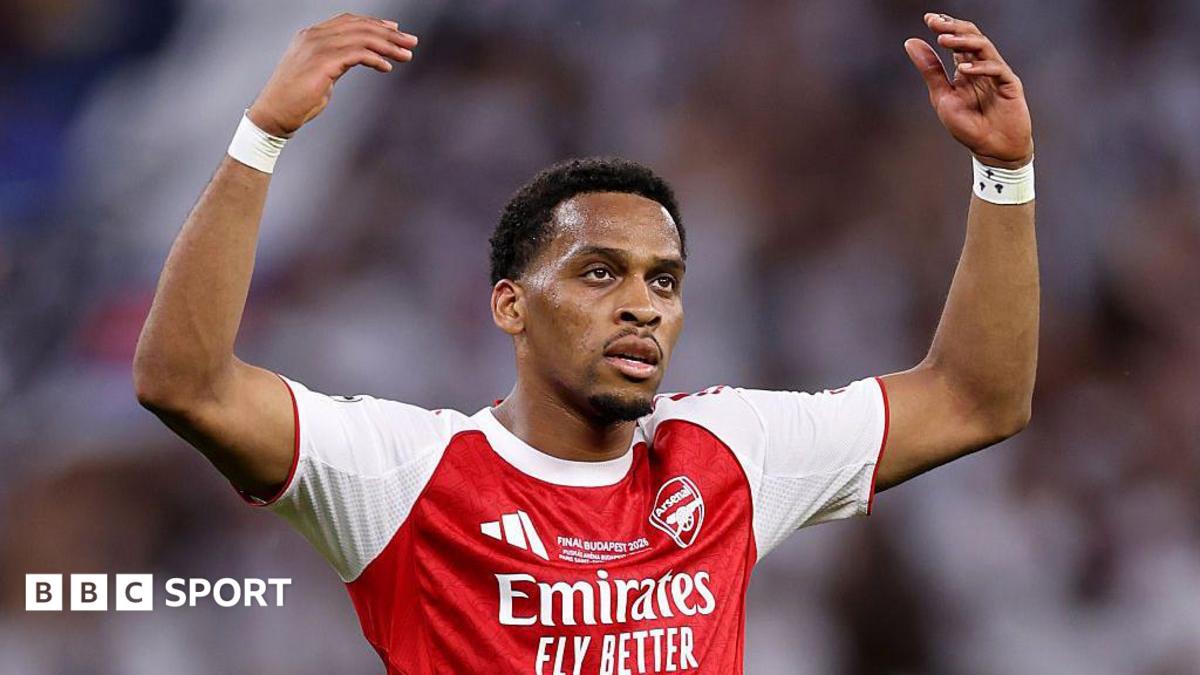

Arsenal’s youth system is a trophy in itself – but it’s also a convenient excuse for a muddled transfer strategy.
Bukayo Saka, Emile Smith Rowe, Eddie Nketiah. The Hale End triumvirate is the pride of north London, a living rebuke to the Chelsea model of buying success. Yet beneath the sheen of homegrown heroes lies a club that, in the last two transfer windows alone, has spent over £200m on players who block the very academy path it celebrates. The contradiction is glaring, but everyone is too polite to call it what it is: a cop-out.
From ‘the Arsenal Way’ to the cheque book: a brief history of self-deception
Arsène Wenger’s later years were built on a faith in youth that bordered on dogma. The 2019-20 squad, before Arteta arrived, featured 13 academy graduates in first-team matchday squads. It was a proud statistic, but also a mask for underinvestment in the transfer market. Fast-forward to 2024: Arteta has spent more than £600m, yet the academy contribution to the starting XI has actually shrunk when adjusted for minutes. Saka is a regular, but Smith Rowe is peripheral, Nketiah a rotation option at best, and recent graduates like Omari Hutchinson and Charlie Patino have been sold. The academy remains a revenue stream, not a first-team pipeline.
The numbers tell a stark story. Between 2019 and 2023, Arsenal’s net spend exceeded Chelsea’s in absolute terms. Yet Chelsea’s academy graduates like Reece James, Mason Mount and Conor Gallagher all played central roles in their Champions League win. Arsenal’s graduates? One is a left-back who’s now at Brentford (Nuno Tavares doesn’t count as homegrown). The structural advantage of having one of England’s best academies is being squandered.
The argument: buying ready-made stardom is killing Arsenal’s identity
Arteta’s project is admirable – a young, hungry squad with a clear tactical identity. But his transfer policy increasingly resembles a shopping list from a Premier League panini sticker album: Declan Rice, Kai Havertz, Jurriën Timber – all established players at elite clubs. The problem isn’t the quality; it’s the opportunity cost. Each big-money signing blocks a potential academy talent from making the bench.
Consider the resources: since 2020, Arsenal have spent £72m on central midfielders alone – Thomas Partey, Youri Tielemans (loan), Jorginho. Meanwhile, Patino, a midfield prodigy, was sold to Swansea for an initial £1m. The club claims to value its youth, but actions speak louder than press releases. Here’s the evidence:
- £105m on Declan Rice: A world-class player, but his presence means that Smith Rowe, a natural No. 8, must play out of position on the left or sit on the bench.
- £65m on Kai Havertz: A luxury signing who occupies the left-sided attacking role that could have been developed for a Hale End graduate like Nathan Butler-Oyedeji – now 22 and yet to debut.
- £25m on Fabio Vieira: A Portuguese U21 international bought for a fee larger than the combined value of every academy sale in the last three years. He hasn’t started a league game since November.
The message is clear: the academy is a commercial asset, not a sporting one.
The counter-argument – and why it’s wrong
Defenders of the policy will say: “Top-four pressure means you can’t wait for unproven teenagers to develop.” They’ll point to Chelsea’s own struggles with youth integration, where a bloated squad has led to a 12th-place finish. They’ll argue that Rice and Havertz are upgrades on what the academy could produce in the next five years. And they’ll note that Saka broke through under Arteta, proving the pathway still exists.
This reasoning is true only in the narrowest sense. The club’s £47m wage bill for senior players vs. £3m for academy contracts (2023 accounts) shows a priority shift. But the more damning evidence is in the playing time: in the 2022-23 season, academy graduates (excluding Saka) averaged just 17 minutes per game across all competitions. That’s lower than in Wenger’s final season. The pathway is a bottleneck, not a pipeline.
The “pressure” argument also ignores that Arsenal were fifth in Arteta’s first full season, not competing for titles. They had time to integrate a talent like Folarin Balogun, who scored 21 goals in Ligue 1 and was sold for £30m. Imagine if he’d been given the Havertz minutes. The short-termist approach has a cost: it breeds a culture where young players see the Emirates as a stepping stone, not a home.
Verdict: by 2026, Arsenal will either fully commit to youth or sell its next Saka to fund another Galactico.
Here’s the prediction: by the summer of 2026, if Arsenal have not won the Premier League, the club will face an inflection point. They will either overhaul the recruitment department to prioritise graduates, or they will sell their next Saka (likely Amario Cozier-Duberry, currently exploding in the U18s) for £40m+ to finance a £70m+ signing of an established star. The financial incentives are clear: academy sales count as pure profit under FFP, while marquee buys drive shirt sales. The choice will define whether Arsenal remain a genuine title contender or revert to being a feeder club for superstars.
The irony is that the squad has enough academy talent to save itself. Cozier-Duberry, Myles Lewis-Skelly (soon to debut), and young defenders like Reuell Walters are a generation that could form the core of a dynasty. But only if the club has the courage to trust them. History suggests it will choose the safety of the cheque book.
Related Articles
Filed under: Opinion | LA Premier League Home