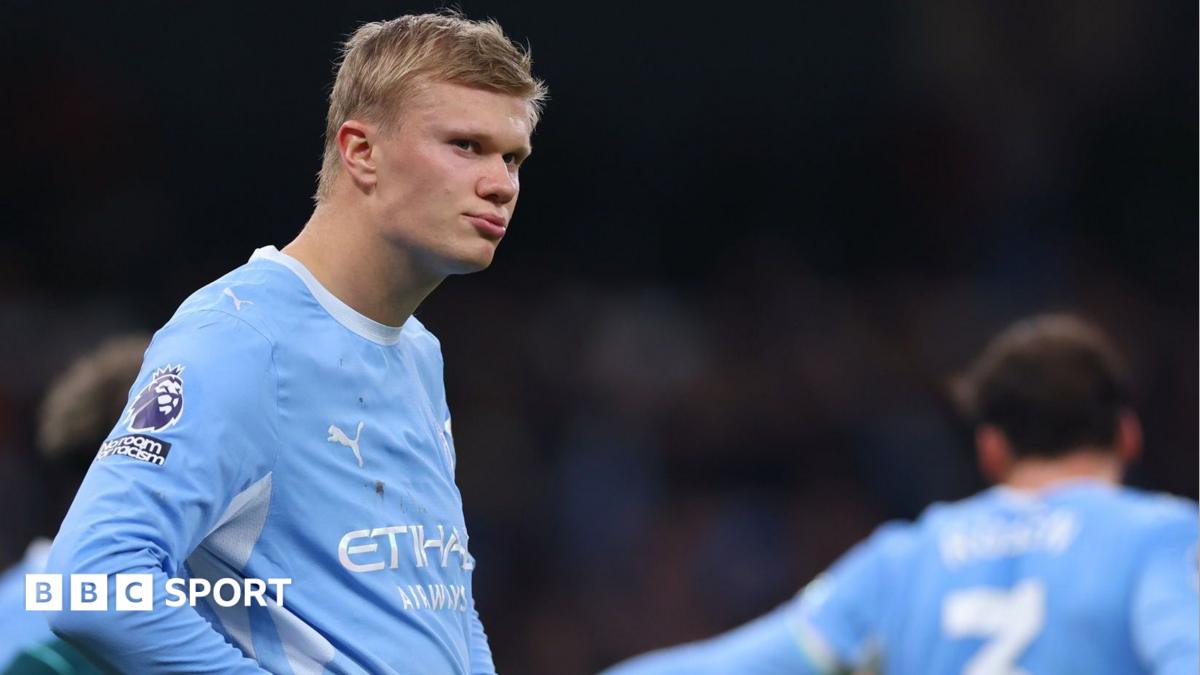

The VAR scapegoat is a distraction from the real culprits
VAR isn't the problem. The people who write and rewrite the laws of the game are. Every weekend, another penalty controversy erupts, and we blame the screen. But the screen only reflects the indecision of those who refuse to draw a line.
Take the latest storm: a handball incident in the box that split pundits, players, and probably the referees themselves. We've seen it a hundred times. The defender's arm is out, the ball strikes it, and the debate rages for days. But the fault lies not with the technology that replays the moment, but with the lawmakers who have made the rule so elastic that it can justify any outcome.
How we got here: the slow erosion of clarity
Once upon a time, handball was simple: deliberate or not. Then came the era of "unnatural silhouette," a phrase so vague it could mean anything from a star jump to a slight lean. The IFAB, in its infinite wisdom, decided that arms extending beyond the body were punishable, regardless of intent. But then they backtracked, tweaking the wording season after season, leaving everyone guessing. The result is a rule that defies consistent application.
Compare that to other sports. Rugby's TMO has its own controversies, but the laws are specific: forward pass, offside, foul play. Cricket's DRS has clear parameters for LBW. Football's VAR, by contrast, is asked to adjudicate on a rulebook written in fog. When the law itself is ambiguous, no amount of camera angles can produce justice.
The Premier League's response has been to apologise. Weekly. Howard Webb's show on Sky Sports has become a confessional, where refereeing errors are acknowledged with solemn nods. But apologies don't change outcomes. They are the symptom of a deeper rot: a refusal to simplify the rules because simplification would mean admitting the original rules were flawed.
The case for radical simplification
Here's the argument: VAR's woes are a direct consequence of the rule-makers' cowardice. They have created a system where referees are asked to interpret the uninterpretable. The only solution is to strip the laws back to their core and accept that some decisions will always be subjective—but at least they'll be consistent.
- Handball: Make it purely about intent. Did the player deliberately move their hand/arm towards the ball? If not, no offence. The current law punishes players for having arms. That's absurd.
- Offside: Introduce a tolerance level—say, 10cm—to account for the limitations of VAR technology and the natural margin of error. No more toenail offsides. The sport is about goals, not geometry.
- Fouls in the box: Adopt a "clear and obvious" threshold for VAR intervention, but define it explicitly: only overturn if the on-field decision was demonstrably wrong based on the evidence. Too often, VAR re-referees the game because the threshold is undefined.
These changes wouldn't eliminate controversy, but they would reduce it. More importantly, they would restore faith in the process. Fans can accept a bad call if they understand the reasoning. What they can't accept is the feeling that the outcome depends on which referee is at Stockley Park and which way the wind is blowing.
The counter-argument: technology is the problem
The steel-man position is that VAR has fundamentally altered the rhythm of the game, turning refereeing into a forensic exercise. The joy of a goal is now tempered by the fear of a forensic check. The referee's authority has been undermined. Perhaps we should scrap VAR altogether and return to the imperfect humanity of on-field decisions.
But that's nostalgia masquerading as wisdom. Pre-VAR football was hardly a utopia of justice. Remember Thierry Henry's handball against Ireland? Maradona's Hand of God? These were injustices that technology could have corrected. The genie is out of the bottle; fans expect accuracy. The answer isn't to reject technology but to use it better.
Moreover, scrapping VAR would not solve the underlying problem: the rules are still ambiguous. On-field referees would still have to interpret the same vague handball law, the same offside rule. The controversies would remain, just without the safety net of review. The genie would still be out of the bottle; we'd just be pretending otherwise.
The verdict: a prediction for the season
So here's my prediction: unless the IFAB and the Premier League simplify the handball and offside laws before the end of the season, we will see at least three more high-profile VAR controversies that directly influence the title race or relegation battle. Specifically, I predict that a handball decision in a Manchester City or Arsenal match will lead to dropped points and a formal complaint from the club. The PGMOL will issue another apology. Nothing will change.
But if the lawmakers find the courage to act—to strip away the ambiguity and give referees clear, enforceable guidelines—then we might just see a return to the game we love: one where the drama comes from the players, not the officials.
Until then, we'll keep watching the screen, waiting for the next scandal.
Related Articles
Filed under: Opinion | LA Premier League Home