
The illusion of self-sustainability is dead, murdered by clubs who treat financial fair play as a rulebook to be gamed, not a principle to uphold.
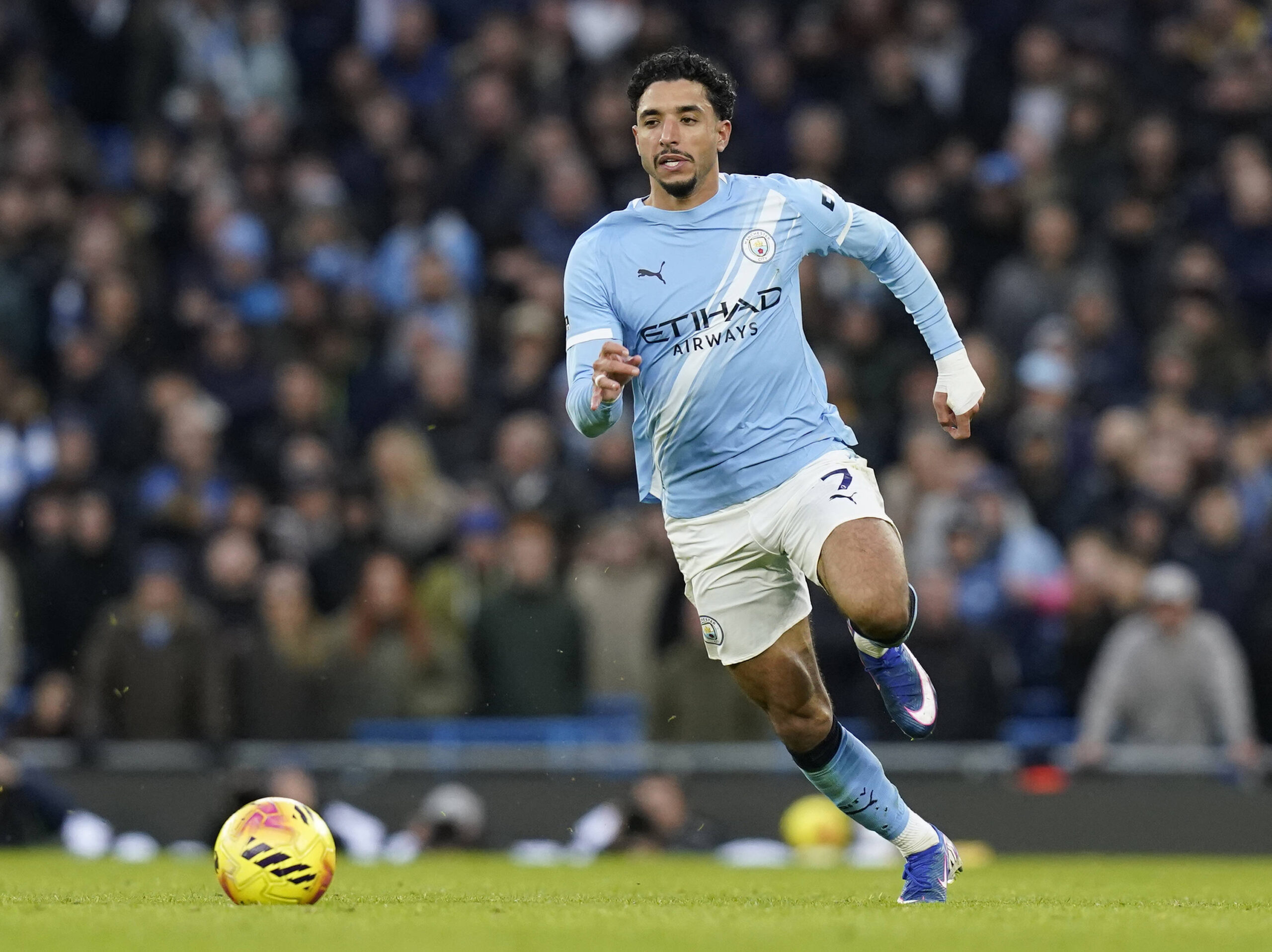
When Manchester City posted £712m in revenue for 2023-24, the immediate response among rivals was not admiration but suspicion. And rightly so. Because buried in those accounts are sponsorship deals that smell of something rotten: Etihad's £67.5m annual naming rights, a figure that independent valuation firm Duff & Phelps has repeatedly called 'above market rate'. This is not genius; it's accounting theatre.
The FFP loophole industrial complex
Premier League clubs have turned financial regulation into a choreographed dance. Arsenal book £3m annually from a 'kit deal' with a Rwandan tourism board that had no previous football interest. Chelsea sold a hotel to themselves for £76.5m to appease the Premier League's profitability and sustainability rules. Newcastle's sponsorship from Saudi Arabia's sovereign wealth fund was worth £25m a season — roughly five times what comparable clubs get. These aren't market transactions; they are state- or owner-subsidised injections dressed up as commerce.
UEFA's own research shows that 30% of all top-flight club sponsorship income is at 'related party' rates. The Premier League's new rules — which only came into force in 2021 — require that such deals be at 'fair market value'. But enforcement is toothless. The league's own board approved the Etihad extension in 2019 despite knowing a cross-section of independent valuations found it overpriced by £15m a year.
The perverse incentive to spend beyond your means
The current system rewards financial irresponsibility. Consider these data points:
- Aston Villa lost £120m in two years under Christian Purslow, yet avoided punishment by selling a training ground naming deal to a sponsor owned by co-owner Nassef Sawiris. The Premier League's own rules deem such transactions 'fair' if they match an independent valuation. They do. But the department conducting that valuation was paid by Villa's owners.
- Chelsea's £76.5m hotel sale looked like a clever way to close their PSR hole — but it relied on a loophole that treats property as 'tangible fixed assets' not tied to a club's core business. The Premier League is now closing it, but only after Chelsea used it to book a £30m post-tax profit that kept them compliant.
- Everton have posted losses exceeding £400m over three seasons, yet escaped a points deduction in 2024 because the commission ruled that 'mitigating factors' — namely, their owner Farhad Moshiri's £350m personal investment — counted as credit. Read that again: failing because your owner dumped in hundreds of millions is a mitigation, not a crime.
The counter-argument: is this just smart business?
Supporters of the current order argue that clubs are simply exploiting the rules as written. That Manchester City's sponsorship is legal, Chelsea's hotel sale was approved, and Everton's losses were 'unintentional' due to stadium cost overruns. This is true in the narrow legal sense. But it misses the point: the rules were written to prevent exactly this kind of financial engineering. If every club can 'legally' inflate revenue by selling a hotel to themselves or by overvaluing a related-party deal, then the entire edifice of financial regulation is a sham. The Premier League's own chief financial officer admitted in a leaked 2023 memo that the fair market value process is 'not robust enough to prevent systematic abuse'.
Verdict: the next crisis is baked in
Within three years, at least two Premier League clubs will face administration because they have leveraged future sponsorship income to fund current spending, leaving a massive hole when the rules tighten. The first will be a club currently in the top half — think Aston Villa or Newcastle — whose owners pump in inflated sponsorships that the league's new independent valuation panel will finally reject. When that happens, the club will have to write off £50m+ in revenue, triggering an immediate PSR breach and a 12-point deduction. The era of financial doping ends not with a trial but with a balance sheet.
Related Articles
Filed under: Opinion | LA Premier League Home