
Sponsorship money is not a cheat code — it’s a Faustian bargain
The Premier League’s financial fair play regime has created a perverse incentive: clubs now rush to sign sponsorship deals with entities linked to their owners, inflating revenue to satisfy profitability rules. But this is not clever accounting — it is a strategic dead end that erodes the very credibility the league sells to broadcasters.
The precedents are already rotting
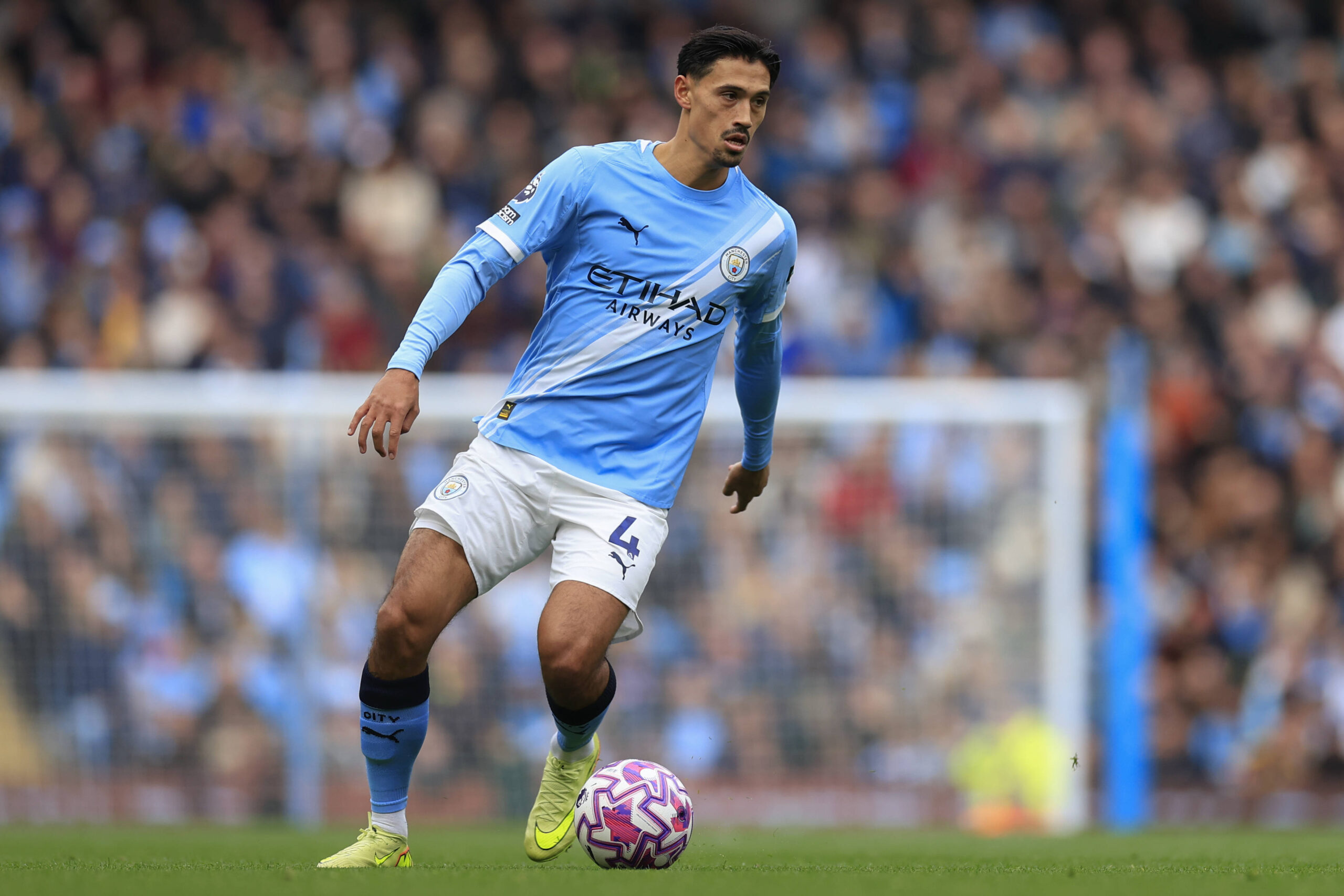
Manchester City’s £67.5m-a-year Etihad deal, signed in 2011, was always a fiction. The airline’s actual market value for naming rights was a fraction of that sum — a fact UEFA’s now-defunct Club Financial Control Body tried to expose. City’s response was to lawyer up and win on a technicality. The Premier League’s own investigation, launched in 2018, remains unresolved. Newcastle United’s 2022 £25m-a-year deal with Saudi Arabia’s Events Investment Fund — a sovereign wealth fund that also owns the club — is a carbon copy. The league’s associated party transaction rules, tightened in 2023, are supposed to stop this. But the rules are only as strong as the enforcement. And enforcement, as City have shown, is a game of attrition.
The problem is existential. If a club’s revenue is artificially inflated by a related-party deal, its spending power is a mirage. When the sponsor walks away — and sovereign funds are not immortal patrons — the club is left with a wage bill it cannot sustain. Everton’s collapse under Farhad Moshiri was not caused by sponsorship, but the dynamic is identical: spend today, pay tomorrow.
The argument: this is not just immoral, it’s financially suicidal
Three reasons why selling naming rights to your owner is a loser’s game:
- Brand dilution: The Etihad, St James’ Park, Stamford Bridge — each stadium carries the name of a sponsor that can vanish. When that happens, the club loses a piece of its identity. Old Trafford and Anfield have survived without naming rights because their names are assets. A stadium called “Emirates” is an asset for Emirates, not Arsenal.
- Regulatory backlash: The Premier League’s new associated party transaction rules will inevitably be tested in court. But even if they survive, the reputational damage is done. Every time a club signs a suspicious deal, it fuels the narrative that the league is a corrupt circus. That narrative hurts broadcast rights values in the long run.
- Competitive distortion: Clubs without billionaire benefactors — Brighton, Brentford, Aston Villa — are forced to compete with clubs that can conjure revenue out of thin air. That is not a level playing field; it is a rigged game. And when the rigging is exposed, the league’s credibility evaporates.
What the defenders say — and why they are wrong
The apologists argue that sponsorship is a legitimate commercial activity, that clubs are businesses entitled to maximise revenue, and that FFP’s purpose is to ensure clubs do not spend more than they earn. The flaw in that logic is the word “earn.” If a club’s chief executive can walk into a boardroom and sign a £50m deal with his employer’s best friend, that is not earning — it is self-dealing. The Premier League’s own rules recognise this by requiring fair market value assessments. But those assessments are toothless when the club threatens litigation. City’s case proved that the system is not designed to stop creative accounting — it is designed to survive legal scrutiny. And that is a far cry from ensuring financial integrity.
Moreover, the argument that sponsorship deals reflect the global appeal of English football is a convenient fiction. Newcastle’s Saudi deal was not driven by the club’s brand value in Jeddah; it was driven by the sovereign wealth fund’s desire to pump cash into the club without triggering a charge. That is not commerce — it is subsidy. And subsidy, under FFP rules, is forbidden.
Verdict: The next points deduction will be for sponsorship fraud
Here is the prediction: within three years, a Premier League club will be deducted points not for overspending but for submitting a sham sponsorship contract. The league’s new enforcement unit, backed by a squad of forensic accountants, will finally crack a deal that is patently above market value. The club will appeal, lose, and the deduction will stand. That moment will force the league to choose: either ban related-party sponsorships entirely — as La Liga effectively does — or accept that FFP is a dead letter. My bet is on the latter. The Premier League loves its global brand too much to kill the golden goose. But the goose is already sick, and the next injection of fake revenue may be the one that finishes it.
Related Articles
Filed under: Opinion | LA Premier League Home