The Chelsea Paradox: Buying Youth to Sell a Dream, But Selling What Remains of Their Soul
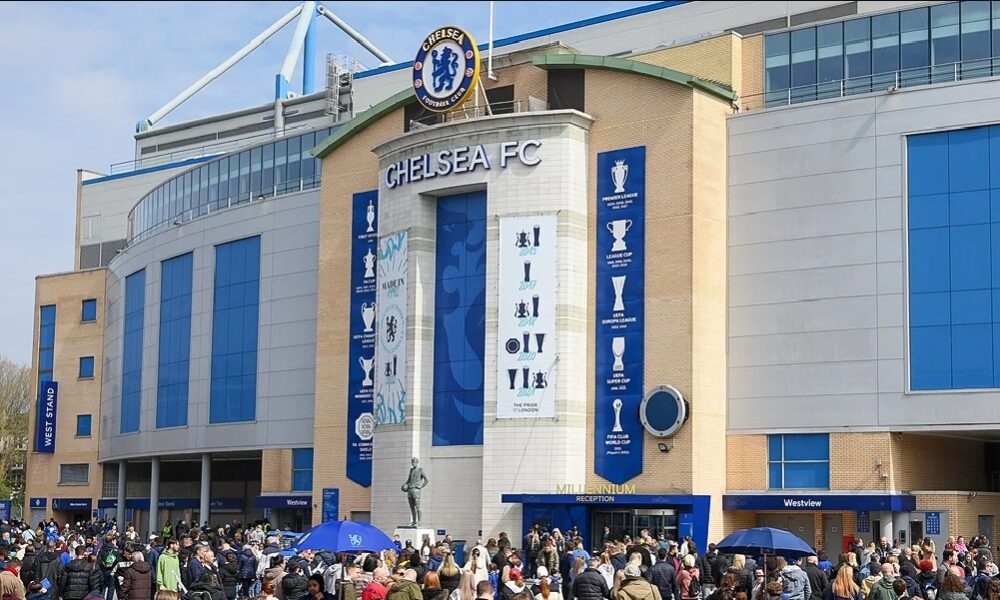
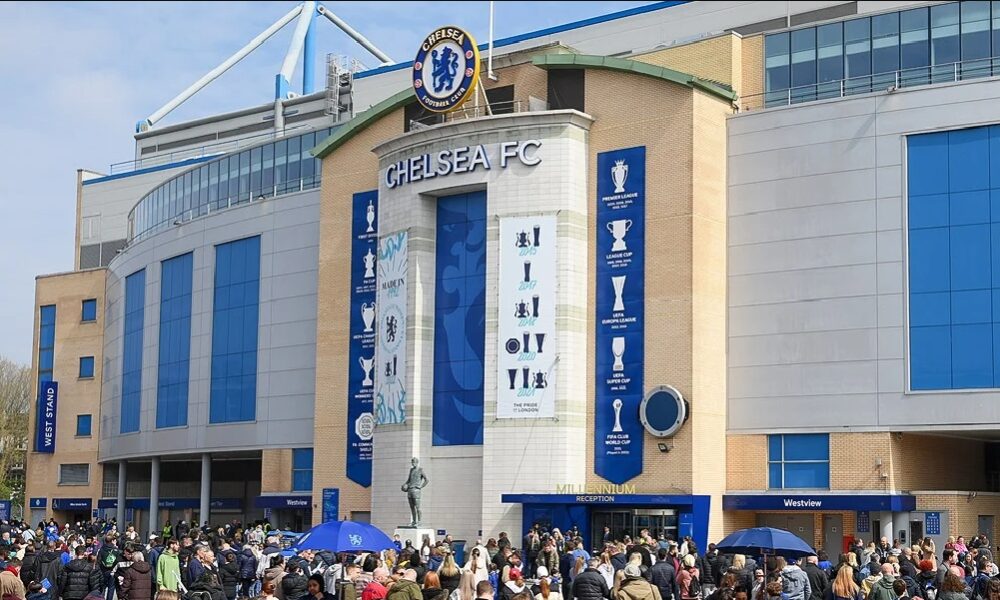
Chelsea’s transfer strategy under Todd Boehly and Clearlake Capital is not a rebuild — it is a churn. A relentless, data-driven churn that treats young players as assets to be flipped before they peak. The academy, once the club’s beating heart, has been downgraded to a subsidiary of the profit-and-loss account. This is not innovation. It is identity theft disguised as modernity.
From Cobham to Commodity: How the Academy Became a Cost Centre
Between 2004 and 2019, Chelsea’s academy produced John Terry, Frank Lampard (signed young but homegrown in spirit), Mason Mount, Reece James, and Trevoh Chalobah — first-team regulars who bled blue. Now? The conveyor belt has been replaced by a spreadsheet. Since Clearlake’s takeover in May 2022, Chelsea have spent over £1bn on transfers, signing players like Mykhailo Mudryk for £89m and Enzo Fernández for £107m, while promoting just one academy graduate — Lewis Hall — to the first team, only to sell him to Newcastle United a year later.
The message is clear: buying is easier than believing in your own production line. Why nurture a player for ten years when you can purchase a 19-year-old from South America, amortise his contract over eight years, and sell him for a profit before his second contract kicks in? This is not sustainability. It is a Ponzi scheme of promise.
What Chelsea Have Lost: The Intangibles of Identity
The cost of this strategy is not measured in pounds but in principle. An academy does not just produce players — it produces loyalty. It embeds club culture into the squad. When you have six academy graduates in the dressing room, new signings absorb that identity. When you have zero, you have a mercenary camp.
- Mason Mount (sold to Manchester United, 2023): Homegrown, Champions League winner, Player of the Year. Replaced by a combination of Enzo Fernández and Cole Palmer — the latter excellent, but neither understands what it means to lose to Tottenham on a rainy Wednesday.
- Lewis Hall (sold to Newcastle, 2024): A versatile left-back who debuted in the Champions League at 17. Loaned out, then sold for £28m. Profit: immediate. Loss: irreplaceable.
- Josh Acheampong (retained, for now): The latest gem, attracting interest from Manchester United. Chelsea insist he is not for sale, but the pattern suggests a £30m fee will change that. The club’s stance will be tested this summer.
Each departure erodes the emotional connection between the club and its supporters. You cannot buy that back with a deadline-day signing.
The Counter-Argument: Financial Fair Play and the New Reality
Defenders of the model argue that Chelsea have no choice. Profit and Sustainability Rules (PSR) require clubs to generate revenue and sell players to avoid sanctions. By signing young talents on long contracts (eight, nine, ten years), Chelsea can spread the cost and book profits from academy sales as pure gain. It is clever accounting. And it has worked: the club sold over £250m of players in 2023, including Mount, Kai Havertz, and Mateo Kovacic, all pure profit from an accounting perspective.
But here is the flaw: this model depends on selling players at the right moment. Mudryk is already worth half his fee. Roméo Lavia has played fewer than 200 minutes. And the market for young, untested talents is volatile. If Chelsea’s purchased prospects fail to appreciate, the entire structure collapses. Moreover, selling Mount to a rival and Hall to a top-six competitor strengthens the opposition. There is no PSR loophole that compensates for strengthening Arsenal or Manchester United.
The Verdict: A Prediction You Can Bet On
By the end of the 2025-26 season, Chelsea will have sold at least three of their current under-23 signings — possibly including Carney Chukwuemeka and Noni Madueke — for a combined profit of under £50m, while the academy produced no new first-team regular. That is not a prediction of failure. It is a statement of direction. Chelsea have chosen to be a hedge fund with a stadium. And hedge funds do not win Premier Leagues — they sell them.
Related Articles
Filed under: Opinion | LA Premier League Home