
Chelsea's Academy Is No Longer a Pathway—It's a Cover-Up
When Chelsea spent £102m on a winger this summer, it wasn't just a statement of intent. It was an admission that their academy—once the envy of Europe—has become a propaganda tool. The conveyor belt of talent has slowed to a trickle, and the club's strategy now relies on buying finished products at absurd premiums.
The Numbers Tell the Story
Between 2010 and 2020, Chelsea's academy produced 15 first-team regulars across Europe, including Mason Mount, Reece James, and Declan Rice. Since then, only two graduates have become consistent starters at Stamford Bridge. In the same period, the club has spent over £1bn on transfers. The ratio is damning.
Consider the current squad: Cole Palmer arrived from Manchester City's academy for £42.5m; Noni Madueke cost £29m from PSV; Mykhailo Mudryk £89m. None came through Chelsea's own system. Meanwhile, academy players like Lewis Hall (sold to Newcastle), Callum Hudson-Odoi (to Nottingham Forest), and Tino Anjorin (to Portsmouth) were shipped out. The message is clear: homegrown talent is currency, not culture.
Why the Academy Dream Is Dead
Chelsea's academy was built on a promise: if you're good enough, you'll play. That promise has been broken. The club's transfer policy now prioritises immediate impact over long-term development. The logic is flawed—and expensive.
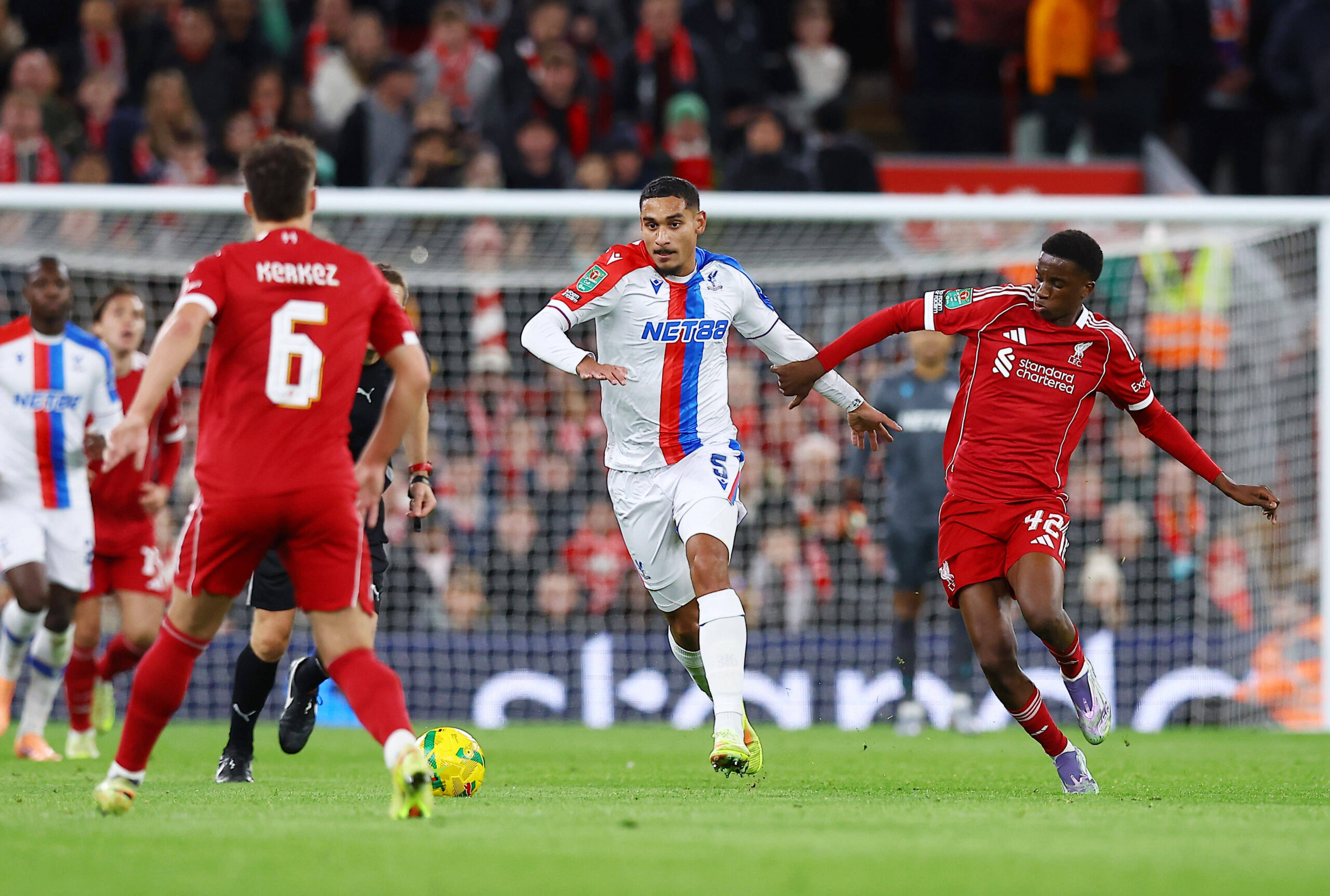
- Since 2021, Chelsea have spent £102m on one winger, £89m on another, and £55m on a teenager from Crystal Palace. Combined, they've contributed little to the first team.
- Meanwhile, academy products like Billy Gilmour (now at Brighton) and Marc Guehi (Crystal Palace) have excelled elsewhere. Guehi, sold for £18m, is now valued at £60m+.
- The club's loan system, once a development tool, now warehouses talent for profit. In 2022, Chelsea had 42 players out on loan—more than any European club.
The result is a bloated squad, inflated wages, and a scattergun approach that lacks coherence. The academy isn't a pathway; it's a fig leaf for a strategy that throws money at problems without solving them.
The Counter-Argument—and Why It Falls Apart
Supporters of the approach argue that Chelsea's academy still produces talent—just not for the first team. They point to the £100m+ generated from sales of homegrown players. But this is a confession, not a defence. Selling your best prospects while buying pricey replacements is not a sustainable model. It betrays a lack of belief in your own system.
Others claim that the pressure to win now demands experienced signings. Yet Manchester City, Liverpool, and Arsenal all integrate academy players regularly. Phil Foden, Trent Alexander-Arnold, and Bukayo Saka are proof that development can coexist with success. Chelsea's impatience is a choice, not a necessity.
Verdict: Chelsea Will Finish Outside the Top Four This Season
The £102m winger will dazzle in flashes, but the squad remains unbalanced. Without a functioning academy pipeline, Chelsea's recruitment will continue to be reactive and overpriced. I predict they will finish fifth or sixth—a direct consequence of abandoning their academy dream for the illusion of short-term gain.
Related Articles
Filed under: Opinion | LA Premier League Home