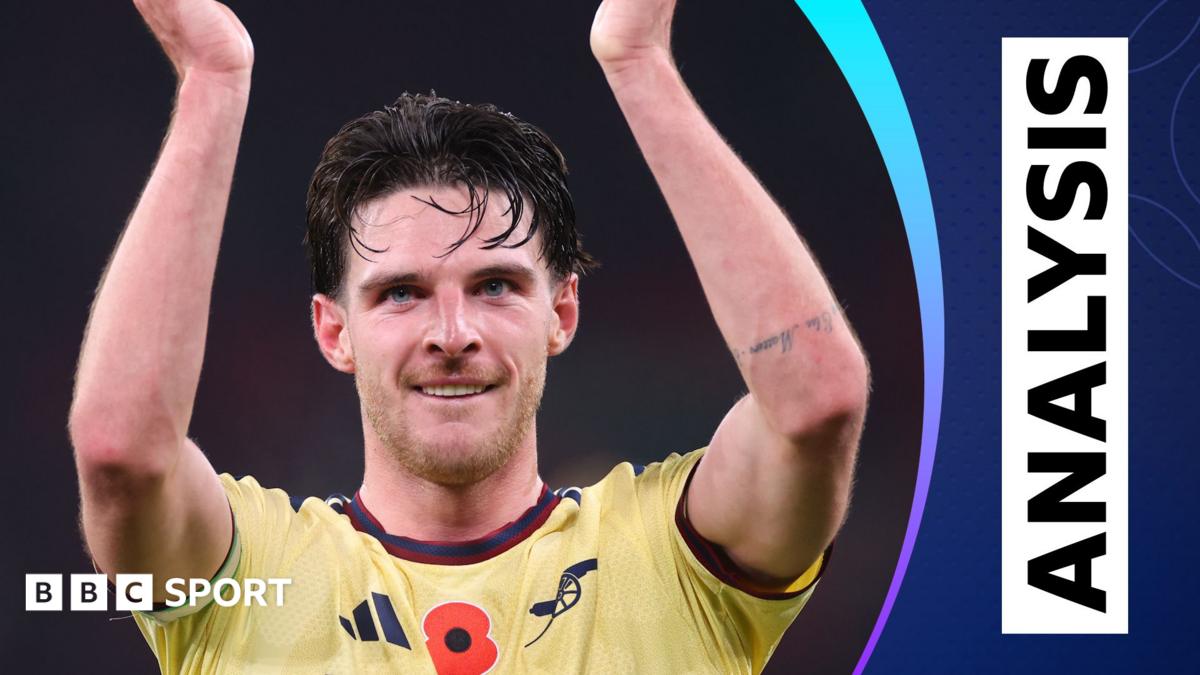

Arsenal's academy is not a feeder system — it is the club's strategic edge, and they are in danger of wasting it.
While rivals burn millions on short-term fixes, Arsenal have quietly built the most coherent pathway in the Premier League. That is not sentimentality; it is the hardest competitive advantage to copy. Yet the temptation to cash in on Hale End graduates for quick profit threatens to undo years of patient work. The Gunners must resist it.
From Adams to Saka: a lineage that rivals envy
Arsenal's academy has produced captains, not just cameos. Tony Adams lifted four league titles as a one-club man. Ashley Cole became the best left-back of his generation. Cesc Fàbregas ran midfields from 16. The current generation — Bukayo Saka, Emile Smith Rowe, Eddie Nketiah — is the latest echo of that lineage, not an anomaly. Hale End has a philosophy, and it shows.
Compare that with Chelsea's loan-army era: 40+ players farmed out annually, few graduating to the first team. Manchester United's Class of '92 is now a museum piece, replaced by a scattergun transfer policy. Arsenal's pathway is cleaner, cheaper, and more culturally aligned. In a Big Six economy obsessed with instant gratification, that is radical.
The case for doubling down on Hale End
Arsenal's first-team squad is increasingly homegrown, and that is no accident. Saka is the team's creative heartbeat. Smith Rowe, when fit, offers something no signing can replicate: institutional memory. Nketiah's goals per minute rival many £50m strikers. These are not romantic indulgences; they are cold, hard assets.
- Saka's rise saved Arsenal at least £60m on a comparable winger — and he understands the club's demands in a way no import can.
- Smith Rowe's 2021-22 breakout (10 league goals) came from a player developed internally, not bought for £40m.
- Nketiah's 2022-23 cameos (five goals in nine starts) kept Arsenal's title charge alive when Jesus was injured.
The financial logic is equally compelling. With FFP tightening, homegrown sales count as pure profit. But selling them weakens the squad and sends a signal: Hale End is a cash machine, not a pathway. That is the Chelsea model, and it has not won them a title since 2017. Arsenal should know better.
The counter-argument: sentimentality kills progress
The steel-man is straightforward: Arsenal have not won the league since 2004. Sentiment has cost them before. Keeping average academy players too long breeds mediocrity. Selling one or two for £30m each could fund a top-tier signing who lifts the ceiling. Chelsea and Manchester City have shown that ruthless trading can work — City sold Cole Palmer for £40m and won the league without him.
But that argument conflates selling squad players with dismantling the pathway. Palmer is an anomaly — a talent City misjudged. Arsenal's academy is not producing Palmer-level talents regularly, but it is producing Saka-level ones. The difference is that Saka was given a chance; Palmer was not. Selling your best graduates before they peak is not ruthlessness — it is self-harm dressed as strategy.
Verdict: keep the pathway, sell the fringe
Arsenal's academy is their most sustainable competitive advantage. If they sell Smith Rowe or Nketiah this summer for pure profit, they will replace them with a £40m import on triple wages, and the cycle repeats. The smarter play is to keep the core, add elite talent around them, and trust the pathway. My prediction: if Arsenal sell two or more Hale End graduates for profit in the next two transfer windows, they will finish outside the top two next season. If they keep them and reinvest wisely, they will win the league within three years. The choice is theirs — and it will define the next decade.
Related Articles
Filed under: Opinion | LA Premier League Home