Premier League referees have become glorified traffic wardens
Watch a Premier League match now. Count the number of times the referee sprints. You won't need both hands. They trot. They jog. They stop, hand to ear, awaiting instruction from Stockley Park. The authority is gone. The aura has evaporated. What remains is a man in black who exists to implement decisions made elsewhere.
The 'referee’s call' fallacy
Howard Webb arrived as chief refereeing officer promising clarity. Instead he delivered the most cowardly concept in modern officiating: "referee’s call." This isn't a doctrine; it's a shield. It allows VAR to avoid overturning clear errors by hiding behind a subjective threshold. The Premier League now has a two-tier system: one rule for the on-field referee and another for the screen.
Consider the numbers. In the 2023-24 season, VAR intervened in 1.3% of incidents per match. Yet the number of on-field reviews dropped by 22% compared to the previous campaign. Referees are deferring more, deciding less. The technology designed to assist has become a crutch — and a comfortable one at that.
How VAR breeds passivity
The psychological shift is stark. Referees no longer own their decisions. A penalty awarded in real time is now merely a provisional decision, awaiting the silent verdict from a room in west London. This has created a culture of hesitation. The best referees — Pierluigi Collina, Howard Webb in his pomp — were decisive. They sold their calls with body language and conviction. Today's officials look like they're waiting for permission.
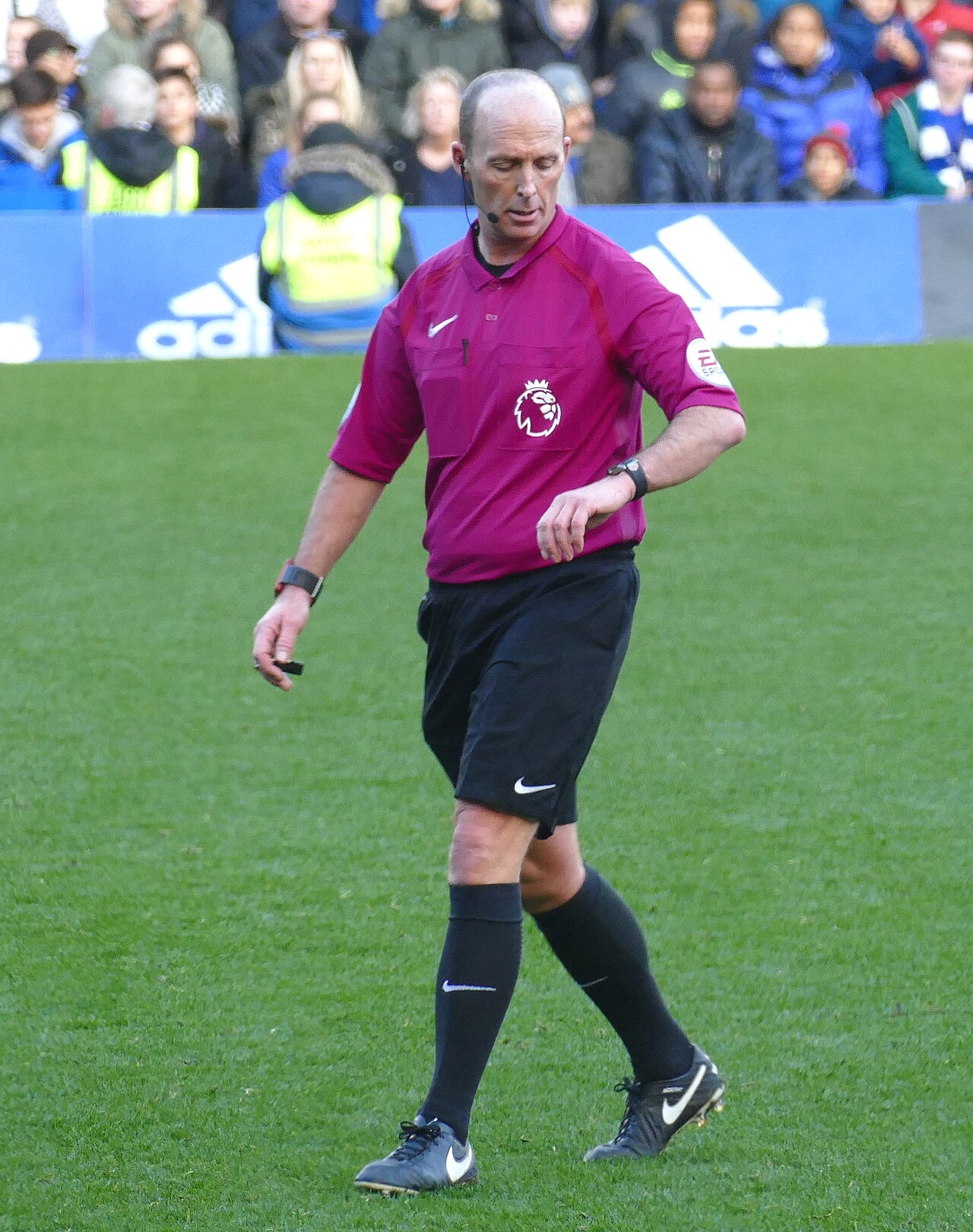
- Michael Oliver, once the league's best, now spends ten seconds every major decision with his hand to his ear — a posture of submission, not command.
- Darren England's failure to award a clear penalty for Arsenal at St James' Park in November 2023 was blamed on VAR protocol, but the real fault was his own refusal to trust his eyes.
- Simon Hooper's stoppage-time howler at the Etihad — denying Manchester City a clear advantage against Tottenham — was a direct result of wanting to "get the call right" rather than letting play flow.
The counter-argument: accuracy over authority
Supporters of the current system argue that VAR has reduced clear errors. The data backs them: correct decision rates have risen from 82% to 96%. But accuracy is not the only virtue. Football is a game of momentum, emotion, and human judgment. A refereeing error is part of the fabric — it creates talking points, narrative, drama. What the sport cannot sustain is the death of authority. A referee who cannot sell a decision is a referee who cannot control a match.
The 'referee’s call' approach also creates perverse incentives. If a decision is marginal, the on-field referee knows VAR will back them if they stick to their original call. So they make a call not based on what they saw, but on what they think will survive review. That is not officiating. That is risk management.
The prediction: a crisis of confidence
By the end of the 2025-26 season, the Premier League will be forced to scrap 'referee’s call' for subjective decisions. The dam will break when a Champions League qualification spot is decided by a penalty that VAR deemed 'not clear and obvious' despite clear evidence the referee got it wrong. Webb's successor — because at some point he will be held accountable — will restore the on-field referee's primacy, and the myth that technology can eliminate controversy without killing authority will be exposed for what it is: a bureaucratic fantasy that drained the life from the beautiful game.
Related Articles
Filed under: Opinion | LA Premier League Home