VAR at the World Cup: A Spotlight on Technology's Role
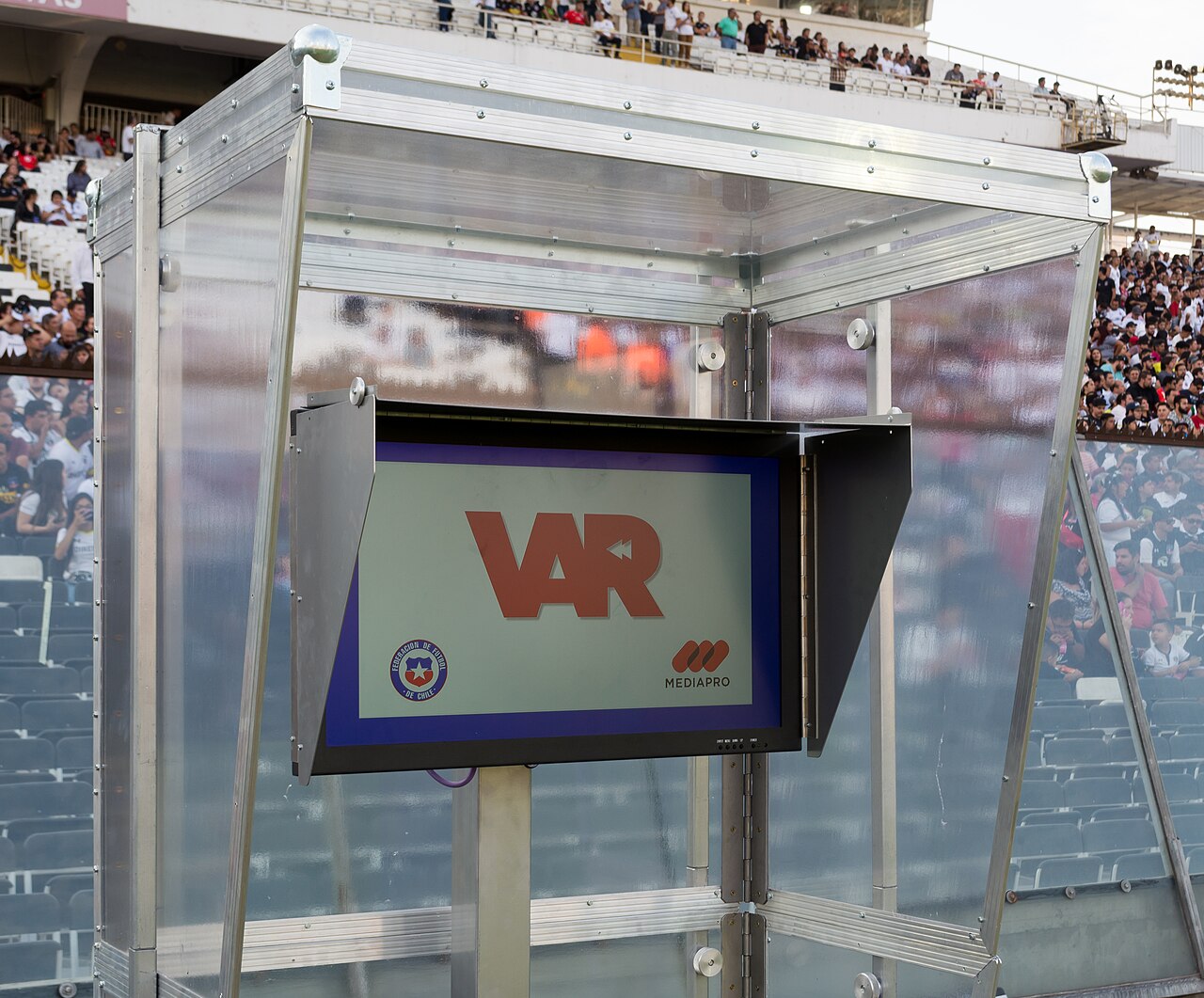
Video Assistant Referee technology has taken centre stage at this World Cup, generating both praise for its accuracy and criticism for its intrusions. With the tournament expanded to 48 teams and more knockout matches than ever, the system's influence has grown exponentially.
Every major decision now faces prolonged scrutiny. Goals are checked, penalties reviewed and offsides measured to the millimetre. The result is a tournament defined by precision — but also by lingering questions over how much technology should shape the game.
Precision on Display
VAR has corrected numerous clear errors that would have altered match outcomes. According to official data, the system has intervened correctly in over 95% of reviewed incidents. Offside calls have become near-infallible, thanks to semi-automated technology that maps player limbs in real time.
For defenders, this has meant adapting to a stricter interpretation of handball and fouls inside the box. Set pieces, traditionally a grey area, are now policed with forensic detail. The impact on tactical preparation is substantial: coaches must drill their players on the margins of legality, knowing that a millimetre can decide a place in the next round.
Controversy and the Erosion of Trust
Despite its accuracy, VAR has sparked fresh controversy. Delays to the game break its natural rhythm, and supporters in stadiums often feel left in the dark while decisions are being processed. The lack of clear communication from officials has fuelled frustration.
Several high-profile incidents have tested public faith. In one knockout match, a penalty was awarded after a lengthy review for a handball that many pundits argued was unintentional. In another, a goal was ruled out for the narrowest of offsides, sparking debate about whether the technology is being used beyond its intended purpose.
The search for trust remains ongoing. Fans, players and managers alike are calling for greater transparency — such as broadcasting referee audio during reviews — and a clearer threshold for what constitutes a clear and obvious error.
Impact on the Tournament and Football's Future
VAR has undoubtedly made the game fairer in a technical sense, but its emotional cost is harder to quantify. The spontaneous joy of a goal is now often followed by anxious seconds of waiting. For broadcasters and news outlets, this has created a new layer of storytelling: every major incident is dissected, replayed and analysed from multiple angles.
- Goal celebrations are now tentative; players glance at the referee before committing to their pitch-side slide.
- Yellow and red card counts have risen, as VAR catches unseen off-the-ball incidents.
- Manager tactics now include training-ground simulations of VAR delays to keep players focused.
What's Next for VAR?
FIFA has hinted at further refinements post-tournament, including a possible challenge system used in other sports. For now, the World Cup serves as the ultimate test bed. The coming weeks will determine whether VAR's precision outweighs its controversies — or whether the search for trust will force a fundamental rethink of technology's place in football.
Related Articles
Filed under: Latest News | LA Premier League Home