Bielsa's Uruguay: A New Era Begins at World Cup 2026
Uruguay head into the 2026 World Cup carrying one of football's richest legacies and one of the tournament's most intriguing modern rebuilds. This marks their 15th appearance at the global finals, a testament to the nation's remarkable consistency at the highest level.
Context: From Golden Generation to Bielsa's Blueprint
For much of the 2010s, Uruguay boasted a golden generation led by Luis Suárez, Edinson Cavani, and Diego Godín. That core delivered a Copa América in 2011 and reached the World Cup semi-finals in 2010. But by 2022, the old guard had faded, and Uruguay exited in the group stage.
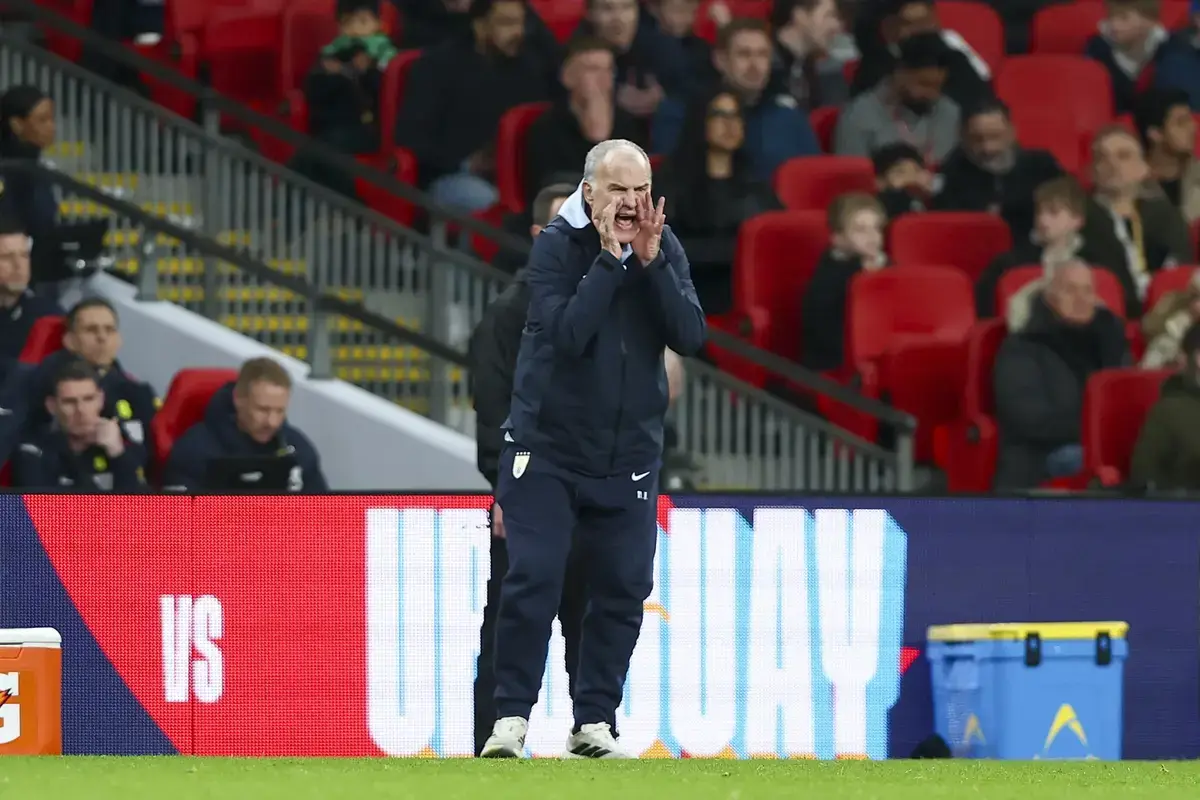
Enter Marcelo Bielsa. Appointed in 2023, the Argentine coach immediately set about overhauling the squad and philosophy. His high-pressing, vertically aggressive style demanded younger, more athletic personnel. The transition has been rapid, with several senior players moving on and a new wave emerging.
Statistics under Bielsa reflect a side in flux. In 2024, Uruguay won five of their nine matches, showing flashes of his trademark intensity. However, they also suffered three defeats, exposing defensive vulnerabilities as the system takes hold. The 2026 World Cup will be the first true test of this project on the biggest stage.
Impact: What Bielsa's Methods Mean for the Celeste
Bielsa's tactical demands are unique. His teams typically employ a man-marking scheme across the pitch, pressing opponents relentlessly from the front. This requires exceptional fitness and discipline from every outfield player. For Uruguay, this represents a significant cultural shift from the counter-attacking, defensive solidity that defined their golden era.
- Pressing Intensity: Bielsa's Uruguay will aim to win the ball high up the pitch. In 2024, they averaged 18.5 high turnovers per game, ranking among the top South American sides. This can create quick scoring chances but also leaves space in behind.
- Youth Integration: A new generation of players, such as Federico Valverde (now midfield general), Ronald Araújo (defensive leader), and Facundo Pellistri (wide attacker), have become key. Their average age in the last qualifying camp was 25.3 years, five years younger than the 2022 squad.
- Group Stage Challenge: Uruguay's path to the knockout rounds will depend on the draw. If they face sides adept at countering Bielsa's high line, they could struggle. Conversely, teams uncomfortable with pressure may be overwhelmed.
For fantasy football managers in the World Cup game, Uruguay are likely to be ranked as a mid-tier nation. Their attractive playing style could yield goals, but their defensive approach may concede points. Monitor their group assignment before drafting.
What's Next: The Road to the Knockouts
Uruguay's pre-tournament friendlies will be crucial. Bielsa typically uses these matches to test his preferred starting XI and iron out defensive coordination. The team's confidence will hinge on results against similarly styled opponents, such as Japan or South Korea, potentially arranged to simulate group-stage challenges.
The Celeste's tournament fate can swing either way. If Bielsa's methods click, they could emulate his 2014 Chile team that reached the Round of 16 and almost eliminated Brazil. If the system fails to gel, early elimination is possible. The pressure is on Uruguay to prove that their legacy can evolve rather than fade. With a new-look squad and a polarising coach, the eyes of the football world will be upon them.
Related Articles
Filed under: Latest News | LA Premier League Home