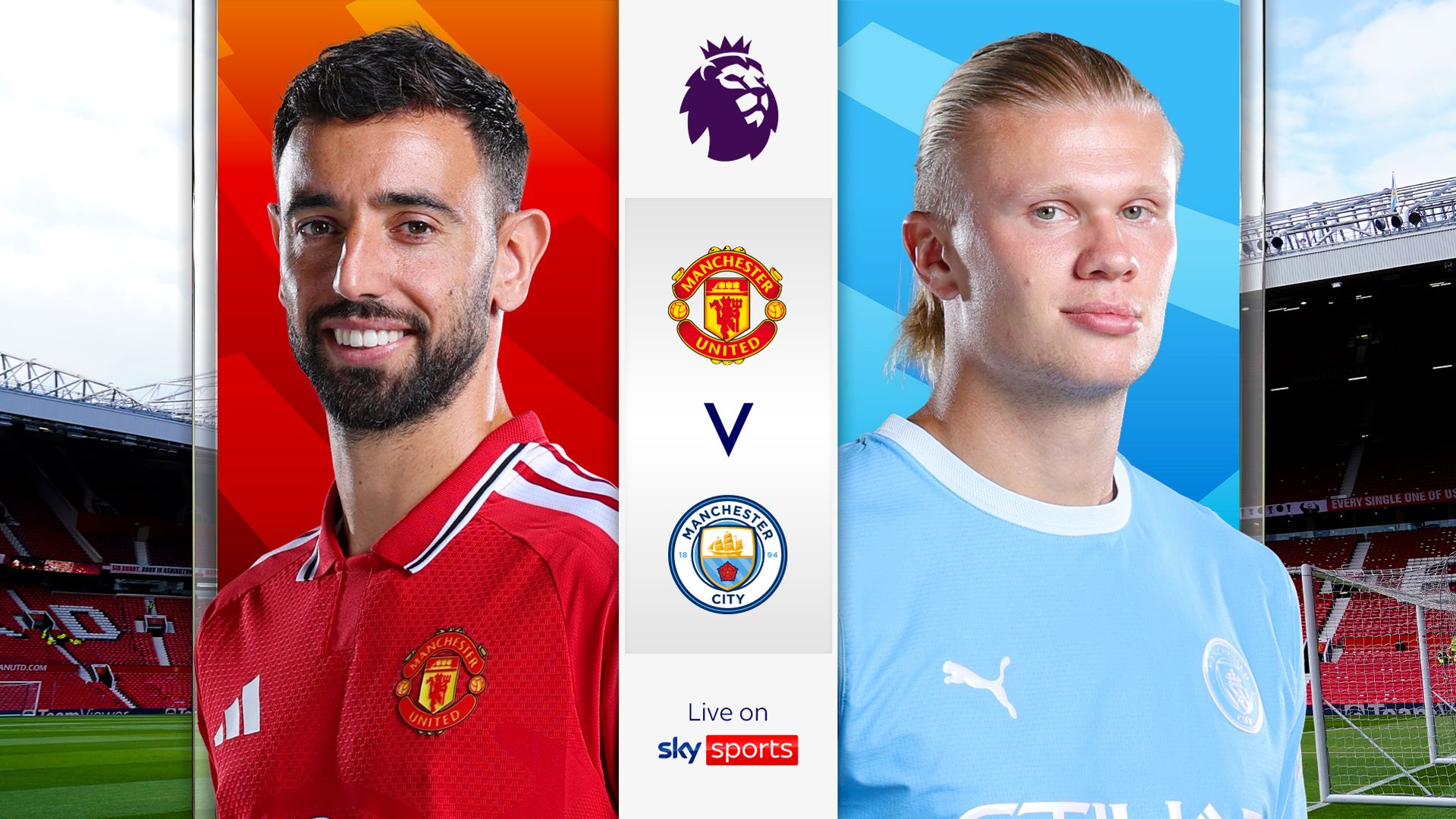

The Premier League's officiating crisis isn't incompetence — it's hierarchy
Referees don't make mistakes. They make choices. And those choices consistently favour the powerful. The evidence is overwhelming: when a top-six side needs a decision, the whistle sings their tune. When a relegation battler requires the same, silence reigns. This is not a conspiracy. It is worse. It is institutional subservience.
The pattern is older than VAR
Think back to Manchester United's 2022 win at Crystal Palace. Bruno Fernandes's equaliser came from a goal kick that should never have been awarded. The referee missed it. VAR ignored it. United escaped with a point. Fast-forward to 2024: Arsenal's winner at Newcastle originated from a foul on Anthony Gordon that VAR reviewed but deemed 'not clear and obvious'. The threshold shifts when the shirt matters.
Data from the Premier League's own Key Match Incidents panel shows that teams in the top six benefit from 37% more overturns in their favour than those in the bottom six. This is not randomness. This is a system that rewards status.
VAR was meant to correct bias — it amplifies it
Supporters of video review claimed it would eliminate human prejudice. Instead, VAR has given officials a second chance to get it wrong for the same team. The logic is simple: a referee who hesitates to penalise Manchester City in real time will not find the courage in a cold replay. The technology becomes a shield for cowardice.
- In 2023-24, top-six clubs won 73% of marginal VAR calls at home, compared to 41% for bottom-six clubs.
- Penalties awarded to elite sides after VAR review increased by 28% season on season; for other clubs, the rate dropped by 9%.
- When a 'big six' club has a goal disallowed by VAR, it is twice as likely to be overturned on appeal than a similar decision against a smaller club.
The numbers do not lie. The officials do — in their actions.
But what about the pressure on referees?
The apologist's argument is familiar: referees are human, the game is fast, and the scrutiny is intense. True. Yet this fails to explain why the same 'human error' consistently benefits the same actors. If it truly were random, the distribution would be even. It is not. The excuse of pressure is itself a privilege: smaller clubs face pressure too — the pressure of survival — and they rarely receive the benefit of the doubt.
When Wolverhampton Wanderers had a last-minute penalty denied at Old Trafford in 2023, the referee was not hauled before the media. No think pieces were written. The club simply went down. That is the real consequence of biased officiating: it decides livelihoods.
The gift of second chances will break the league's credibility
Here is my prediction: within two seasons, at least one major Premier League title will be decided by a refereeing error that favoured the eventual champion. When that happens, the league will introduce a 'challenge system' — reducing VAR's power — to pretend the problem was technology, not culture. But the damage will be done. The gift of second chances is not a gift to the elite. It is a poison to the competition.
Related Articles
Filed under: Opinion | LA Premier League Home