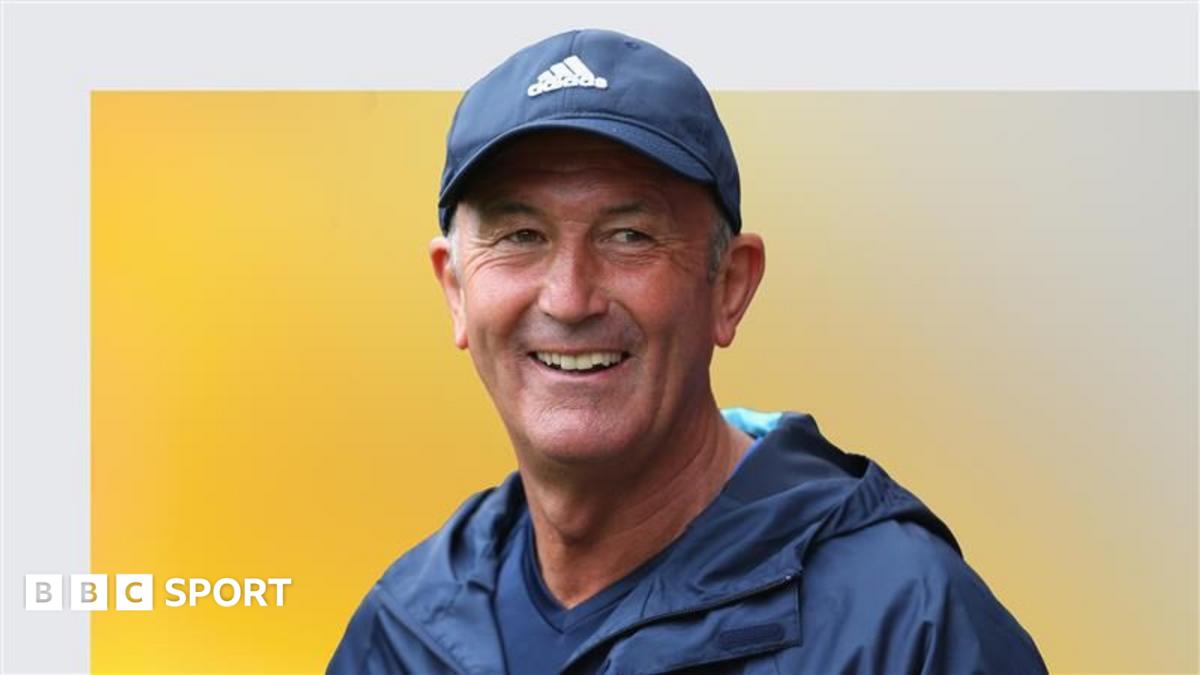
Tony Pulis says managers must put their own fitness first — and warns the job is still an all-consuming occupation
Former Bournemouth, Gillingham and Bolton manager Tony Pulis has told BBC Sport that Vincent Kompany's recent health scare is a reminder of the physical and mental toll of management, revealing a triathlete's blunt advice in 1994 changed how he looked after himself for the rest of his career.
- Speaker: Tony Pulis, writing a BBC Sport column
- Trigger: Vincent Kompany's recent health scare
- Key turning point: A conversation with an Australian triathlete in 1994
- Pulis's rule: Work out early every morning before breakfast at his club
- Charity challenges: London Marathon, John O' Groats to Land's End cycle, Mount Kilimanjaro, Tower Bridge to Eiffel Tower row
- Current support: League Managers' Association 'Fit To Manage' programme offers frequent health testing
What was said
"A lot has changed for football managers over the past few decades but Vincent Kompany's recent health scare was a reminder it is still an all-consuming occupation that takes its toll physically and mentally."
"I told him doing my job was physically hampering my own fitness levels - but more worrying were the stress levels that came with it, because they could have a major effect on my life itself."
"During those early days, my management of myself personally was really poor."
"At that time I would be driving up and down the motorway to watch players, trying to find a fish and chip shop or fuelled only by a half-time pie or a sandwich from a local shop."
"All the arrows and guns are pointed in your direction, and you have no way of protecting yourself, apart from by winning games."
"Being tired going to bed really helped my sleeping hours and meant I was never kept awake worrying about what was going wrong at work."
"Even as the internet exploded, I have never read any press, good or bad, about me or my team."
"You have to maintain your enthusiasm for looking after yourself, because this is the time when you will need it the most. Under the constant stress you will put yourself under, it is dangerous not to."
"A manager's life can still be a lonely place, but thankfully the help available is on a different level to where it was at the start of my career."
The message is unambiguous: the same relentless demands that Pulis describes are still built into the job, even if the structure around a manager has changed. His account is not that clubs have stopped expecting results every week — it is that the individual has to take responsibility for their own body and mind first.
What gives the column its weight is the specificity. This is not abstract wellbeing advice; it is a sequence of named managers, dated jobs and concrete decisions, from the diet of motorway services to the discipline that made a career sustainable.
The numbers
- 1985: Scotland manager Jock Stein died after a World Cup qualifier against Wales
- 1992: Pulis took his first management job at Bournemouth
- 1994: Pulis left Bournemouth after the triathlete's warning
- 1999: At Gillingham, Pulis ran his first London Marathon
- 25 years: Since Leicester boss Dave Bassett and Bolton manager Sam Allardyce were wired to heart monitors during a game between the teams, with both reaching critical heart rates
The health toll on managers
Pulis traces his awareness back through the decades: the tragic death of Jock Stein after a World Cup qualifier against Wales in 1985, and the different heart issues suffered by Graeme Souness, Sir Alex Ferguson, Gerard Houllier, Joe Kinnear and Harry Redknapp down the years.
The Bassett–Allardyce experiment is the clearest illustration. Wired up to heart monitors during a game between Leicester and Bolton, both men reached critical heart rates — proof that the 90 minutes itself can push a manager's body towards dangerous territory.
Diet, drink and the old manager's lifestyle
Pulis is candid about the early years. Driving up and down the motorway to watch players, hunting for a fish and chip shop, or fuelled only by a half-time pie or a sandwich from a local shop, he admits his management of himself 'personally was really poor'.
He also notes that years ago managers' health was never much of a concern to clubs — too much drink, too many of the wrong foods at all hours. That, he says, was simply part of the lifestyle that went with the job.
Why Pulis's answer was a morning routine
The turning point came before he left Bournemouth in 1994, when an Australian triathlete told him doing the job was physically hampering his own fitness levels — and, more worryingly, the stress levels could affect his life itself.
His conclusion: in the next job, dedicate himself to a more manageable lifestyle and put his own fitness first. Practically, that meant working out early every morning before breakfast at the club, then giving the rest of the day to the job. There were days he would be empty and only walk and stretch, but he stuck to the rule and worked hard to keep on top of himself physically.
The release valve extended beyond exercise. Sundays were always about the family — watching his son Anthony play football as a young boy, or simply being around the children — and that became an important part of his routine. He also switched off by never reading press, good or bad, about himself or his team, and by leaning on good staff he could confide in.
What younger managers should take from this
The contemporary picture is brighter, and Pulis says so. The League Managers' Association runs its 'Fit To Manage' programme with frequent health testing, and most clubs' medical staff now ensure coaching staff are looked after as well as players.
Yet the one advice point he repeats for young managers is the least glamorous: keep your enthusiasm for looking after yourself, because that is when you will need it most. Under constant stress, doing anything else is dangerous.
Talking points
- Should clubs formally mandate fitness and health checks for managers, or does that cross a line between employment and a private individual's body?
- Pulis never reading press about himself is sensible protection — but does that isolation make a manager more removed from a club's own supporters?
- If the stress of management has barely changed since 1992, is the improved support around managers actually a fix or just a better safety net?
- Kompany's scare, Stein's death and the Bassett–Allardyce heart-rate experiment are decades apart, which suggests this problem is not seasonal but permanent.
What happens next
Pulis's advice lands as managers across the Premier League and beyond continue the grind of a full season, with clubs and the League Managers' Association under growing pressure to make health testing and fitness routines standard rather than optional. The next test is whether young managers follow the routine Pulis did at Bournemouth, Gillingham and beyond.
Frequently asked questions
What did Tony Pulis do to stay healthy as a manager?
He worked out early every morning before breakfast at the club he managed, then dedicated the rest of the day to the job, sometimes only walking and stretching when he felt empty.
What did the Australian triathlete tell Tony Pulis?
That doing his job was physically hampering his fitness levels, and more worryingly that the stress which came with it could have a major effect on his life itself.
Is there health support for managers now?
Yes — the League Managers' Association offers frequent health testing under its 'Fit To Manage' programme, and most clubs' medical staff now look after coaching staff as well as players.
Related Articles
Filed under: Manager News | LA Premier League Home