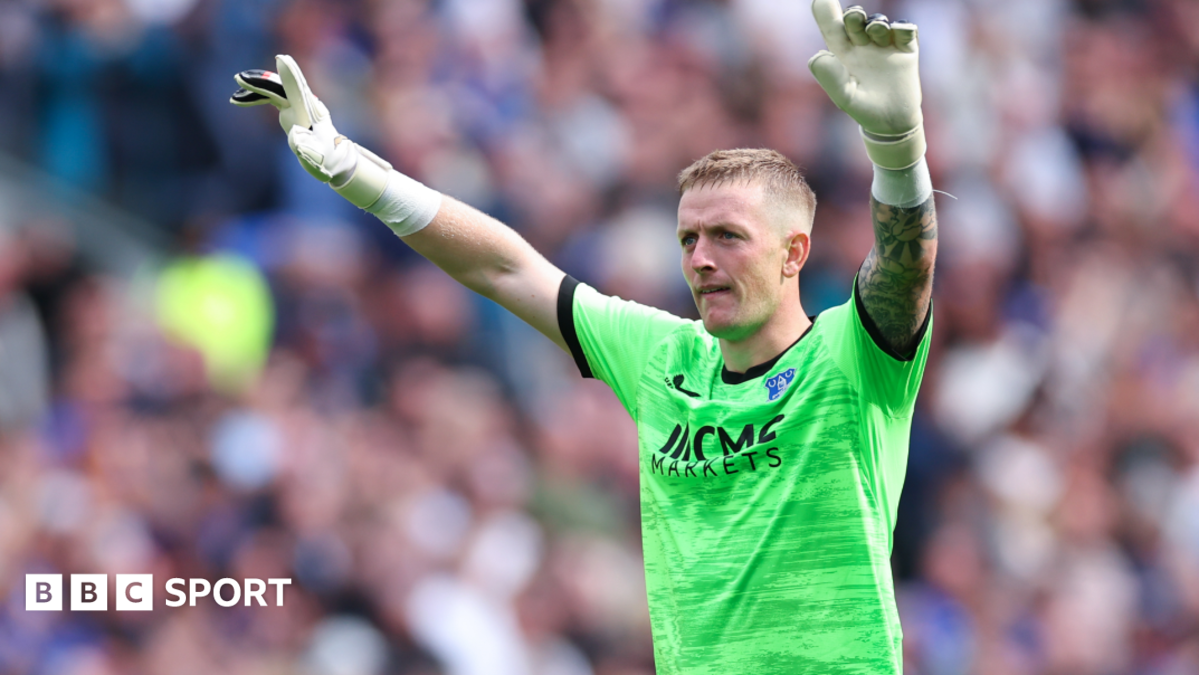

The PSR Points Deduction Has Nothing to Do With Fairness — It's a Cartel Enforcer
The Premier League's Profit and Sustainability Rules are not a financial health check. They are a cartel-enforcement mechanism designed to protect the established order from disruptive challengers. The recent points deductions for Everton and Nottingham Forest merely confirm what was always true: the rules exist to block upward mobility, not to promote fiscal responsibility.
The Myth of 'Protection From Bankruptcy'
The official justification for PSR is that it prevents clubs from spending beyond their means and going under. But the historical record tells a different story. Since the Premier League introduced financial regulations in 2013, no top-flight club has entered administration. Meanwhile, clubs in the Championship — where PSR is even stricter — have regularly collapsed. Leeds United, Derby County, and Reading all went into administration despite complying with the EFL's version of the rules. If PSR truly prevented insolvency, how do we explain that?
The real purpose of PSR is to cap spending. By limiting losses to £105m over three years, the Premier League effectively sets a ceiling on investment. This ceiling benefits the clubs that already generate the highest revenues — largely the 'Big Six' — because they can spend more without breaching the limit. For a club like Newcastle United, with new ownership and ambitions to break the oligopoly, the rules are a straightjacket.
How the Cartel Works: Revenue Disparity and the 'Big Six' Club
The Premier League's broadcasting revenue is shared relatively equally, but commercial income is not. Manchester United, Liverpool, Arsenal, Chelsea, Manchester City, and Tottenham collectively earn billions from sponsorships and global tours. In 2022/23, Manchester United's commercial revenue was £227m; Everton's was £43m. Yet both are bound by the same £105m loss limit. This is like telling a billionaire and a pensioner they can both spend £10,000 on a car.
- Everton: £43m commercial income in 2022/23. To compete, they need to spend on wages and transfers, but PSR caps losses. They borrowed from Rights and Media Funding at 10% interest, further inflating costs. When they breached £105m, they lost four points.
- Nottingham Forest: Promoted in 2022, they spent heavily to stay competitive. Their commercial income is around £30m. They breached by £34.5m and received a four-point deduction. They are now fighting relegation with one hand tied behind their back.
- Contrast with Chelsea: Commercial income £200m+ in 2022/23. They spent £600m on transfers in 18 months but avoided PSR sanctions by selling academy players for pure profit and using amortisation tricks. Their ownership wrote off debts and provided equity to satisfy the rules without any points deduction.
The Counter-Argument: 'Rules Are Rules'
Defenders of PSR argue that clubs know the rules and must follow them. Everton and Forest breached; they were punished. This is technically true, but it ignores the structural unfairness. The rules were written by the Premier League, which is controlled by the 20 member clubs. The 'Big Six', particularly, have outsized influence. They pushed for PSR because it favours their business model: low risk, guaranteed Champions League revenue, and little threat from below.
Moreover, the punishments are arbitrary. Manchester City face 115 charges for alleged financial breaches over a decade, yet no points deduction has been applied. The Premier League's own rules allow for sanctions ranging from fines to expulsion, but the case drags on. Compare that to Everton, which self-reported a minor overspend and was hit with a deduction within months. The inconsistency suggests that clubs with elite status and legal firepower receive softer treatment. The cartel protects its own.
The argument that 'rules are rules' also ignores that the rules are regularly changed. In 2023, the Premier League voted to tighten 'associated party transaction' rules — a direct response to Newcastle United's sponsorship deals with PIF-related entities. The goal was to block state-backed clubs from using inflated sponsorships to circumvent PSR. This rule change targeted a specific competitor, demonstrating that PSR is not a neutral financial code but a weapon to maintain the status quo.
The Verdict: Everton and Forest Are Canaries in the Coal Mine
By 2027, expect at least one club outside the current 'Big Six' to be relegated directly because of a PSR points deduction, not because of on-pitch performance. The Premier League will then be forced to relax the rules or face legal challenges under competition law. My prediction: the 2027/28 season will see the introduction of a 'luxury tax' model — similar to MLB's competitive balance tax — allowing clubs to exceed the loss limit by paying a penalty that is redistributed to smaller clubs. This will be presented as a compromise, but it will enshrine the advantage of the wealthy: they will simply pay to overspend, while the rest will still be constrained. The cartel will adapt, not dissolve.
Related Articles
Filed under: Opinion | LA Premier League Home