Premier League instructs referees to ease hair-pulling red cards
The Premier League has told match officials to adjust their interpretation of hair-pulling incidents, following three dismissals for the offence during the 2024-25 season. The change means not every hair pull will automatically result in a red card, with referees now expected to consider intent, force and context before reaching for the red.
Background and tactical context
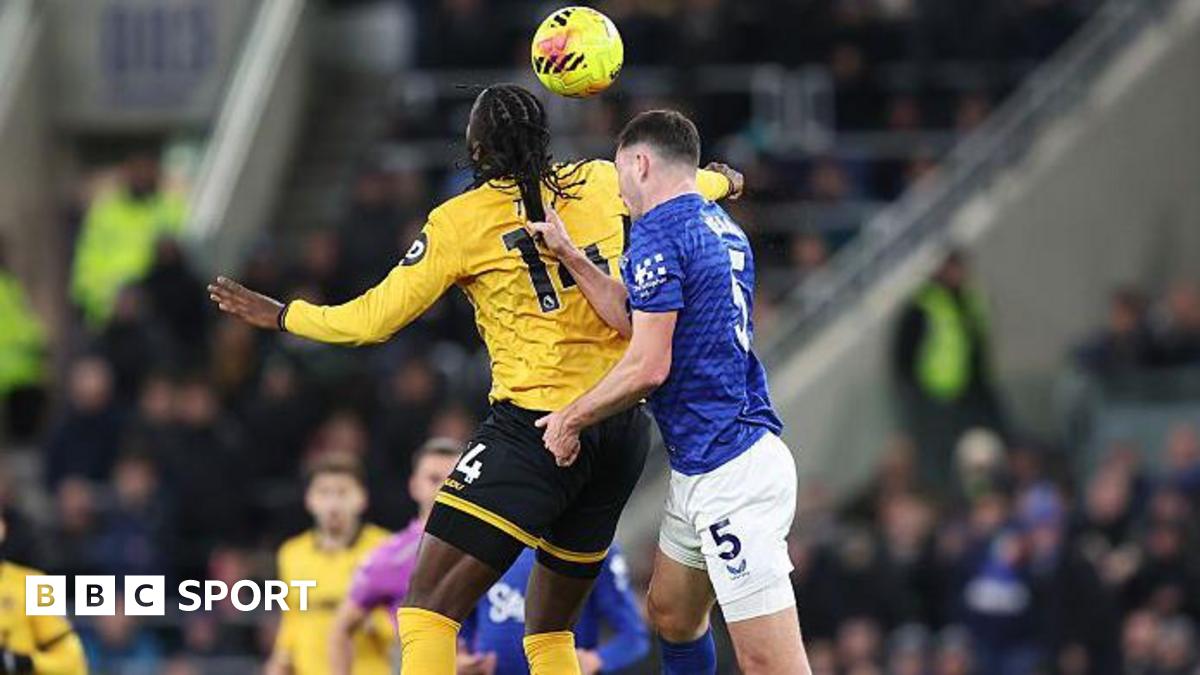
Hair pulling has long been a grey area in football's disciplinary framework. While the laws of the game classify it as violent conduct, the Premier League's new directive recognises that not all instances carry the same severity. The three red cards last season sparked debate among managers and pundits about consistency and proportionality. Tactically, defenders who use physicality in aerial duels or set-piece defending may now take fewer precautions, potentially affecting how teams prepare for corners and free-kicks. Set-piece coaches might encourage more aggressive marking, knowing that a grab of an opponent's hair may no longer be an automatic sending-off.
The league's decision follows internal reviews and consultation with the Professional Game Match Officials Limited (PGMOL). Referees have been given updated guidance in training sessions, emphasising a more nuanced approach. This aligns with broader trends in officiating, where subjective judgement plays an increasing role in punishing physical infractions.
Impact on disciplinary records and FPL
For Fantasy Premier League managers, the rule relaxation could affect defensive selections. Players who previously avoided certain defenders due to red-card risk may now consider them more viable. For example, if a defender prone to aggressive challenges is less likely to be sent off for a hair pull, their ownership might rise. Similarly, forwards who often tussle with markers may face fewer early exits from matches, preserving clean sheet potential.
The change also influences disciplinary statistics. With fewer red cards for hair pulling, the average number of red cards per season could drop. Last season's three reds contributed to a total of 37 red cards across the league, the highest since 2017-18. If the new interpretation reduces that number, it might alter betting markets and team strategies around playing against 10 men.
- Referees will now assess intent: accidental tugs may be overlooked, while deliberate pulls with force still risk red.
- Set-piece incidents will be scrutinised more carefully, potentially reducing penalties and red cards from crowded box scenarios.
- Teams with aggressive defenders, such as those known for physical centre-backs, may benefit from the relaxed stance.
Historical precedent and what comes next
This is not the first time the Premier League has recalibrated its approach to a specific offence. In 2020-21, the league cracked down on high tackles and shirt pulling, leading to a spike in yellow cards before settling down. Similarly, the hair-pulling rule may see an initial period of inconsistency as referees adapt. Pre-season friendlies and early-season matches will test the new guidance, and the PGMOL will likely issue clarifications if confusion persists.
For clubs, the change means reviewing scouting reports. Opponents who rely on physical intimidation may be less penalised, while players who simulate hair pulls to win fouls could find themselves booked for diving. The Premier League expects stricter enforcement of simulation as a corollary, ensuring that genuine violent conduct is still punished severely.
The league has not announced any changes to the official Laws of the Game, which still list hair pulling as violent conduct. Instead, the relaxation is a matter of interpretation within the existing framework. If the new approach leads to a significant reduction in red cards without an increase in injuries, other top-flight leagues may adopt similar policies.
Premier League chiefs will monitor the first 10 matchweeks closely, gathering data on incidents and disciplinary outcomes. Any notable controversies will likely be reviewed by the league's disciplinary committee, which retains the power to issue retrospective bans for egregious cases missed by officials. Players and managers should expect continued scrutiny, albeit with more lenient in-match punishment for borderline incidents.
Related Articles
Filed under: Latest News | LA Premier League Home