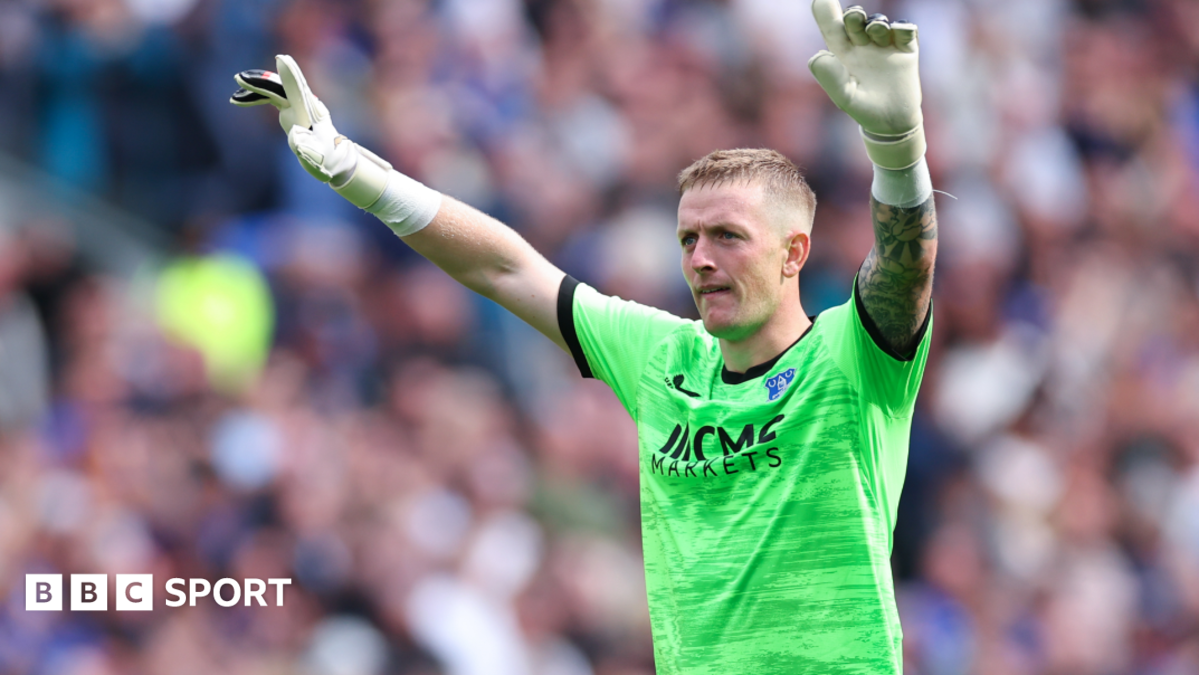

The Premier League is a prisoner of its own accounting
Profit and sustainability regulations (PSR) have never made sense. They punish ambition while protecting the status quo; they deduct points from the same clubs the system designed to fail. The verdict on Everton and Nottingham Forest wasn't justice—it was a regulatory shambles that proved the rules are not fit for purpose.
The farce of the current model
Consider the absurdity: a club can be docked ten points for overspending in a league where Manchester City and Chelsea have spent billions. The system pretends to police financial fair play while the wealthiest clubs operate in a different economic universe. Everton's new stadium at Bramley-Moore Dock will transform their revenue, but under current rules, the debts incurred to build it count against them. This is not financial prudence; it is institutionalised inequality.
The Premier League's own data reveals the problem: the 'Big Six' account for over 70% of total revenue growth since 2010. Meanwhile, clubs outside that elite face a constant struggle to stay afloat. Points deductions do not solve this—they merely confirm the hierarchy.
The net spend tax: a radical but necessary solution
What if, instead of punishing clubs for trying to compete, the Premier League introduced a net spend tax? The idea is simple: a progressive levy on the amount a club's net transfer spend exceeds a certain threshold over a rolling three-year period. The money collected would be redistributed to clubs that operate on a negative net spend—effectively taxing the rich to fund competitiveness.
- Chelsea, under Todd Boehly, have spent over £1bn on transfers in three windows. A net spend tax would have made that spree significantly more costly—forcing more sustainable planning.
- Manchester City's Abu Dhabi-owned model relies on commercial revenues that dwarf most clubs. A tax on their net spend would level the playing field without gaslighting fans with made-up charges.
- Smaller clubs like Brentford and Brighton, who consistently sell for profit, would benefit from the redistribution—rewarding their recruitment models rather than penalising them for lack of revenue.
The beauty of the net spend tax is that it does not contradict the Premier League's supposed love affair with the free market. Clubs can spend whatever they like—they just pay a price for it. The public can judge the merit of a £100m player by whether the club is willing to pay the surcharge. This is not socialism; it is a luxury tax, borrowed from American sports. It works in the NBA and MLB. It would work here.
The rebuttal: 'This would stop clubs investing'
The predictable counterargument is that a net spend tax would deter investment—that owners like Boehly or the Glazers would be less willing to pump money into their clubs. To which the answer is: good. The current system does not deter investment; it merely directs it toward a handful of super-clubs while everyone else is told to get their house in order. A net spend tax would not stop the wealthy from spending; it would force them to think twice about destabilising the market.
Consider Borussia Dortmund's model in the Bundesliga: they sell their best players every season, reinvest a portion, and remain competitive. That is not a sign of a weak league; it is a sign of a healthy ecosystem. The Premier League's obsession with unlimited spending has created a two-tier competition where 14 of the 20 clubs have no realistic chance of winning the title. A net spend tax would not turn Aston Villa into champions overnight, but it would give them a better shot than points deductions ever will.
Critics claim the tax would be complex to enforce. Nonsense. The Premier League already monitors net spend as part of PSR. Attaching a tax rate to that metric is administrative child's play. Moreover, the threat of a tax would encourage clubs to invest in infrastructure and youth development—spending on stadiums, academies, and analytics does not count as net spend. This is the very behaviour the league claims to want.
Verdict: The Premier League will introduce a net spend tax within five years—or face irrelevance
The league's current trajectory is unsustainable. The gap between the richest clubs and the rest is now a chasm, and points deductions are merely a sticking plaster on a haemorrhage. By 2028, either the Premier League will have adopted some form of net spend tax (perhaps under the guise of 'financial sustainability') or fan protests will force the issue. The alternative is a breakaway super league in all but name. The net spend tax is not a radical idea; it is the only rational future. The league can choose to look foolish now by implementing it, or look even more foolish later when it is forced to.
Related Articles
Filed under: Opinion | LA Premier League Home