In football, the transition from player to manager is often seen as a natural progression. Yet history shows that the two roles require vastly different skill sets. Some of the greatest players of all time have struggled in the dugout, while managers with modest playing careers have achieved extraordinary success. In this article, we examine how Premier League managers’ playing careers compare to their managerial achievements, and what this tells us about the beautiful game.
The Greats Who Failed as Managers
Perhaps the most famous example is Bobby Charlton, a World Cup winner and Ballon d'Or recipient. As a manager, he lasted just 41 games at Preston North End, winning only 16 matches. Similarly, Diego Maradona’s managerial stints were marred by controversy and poor results. In the Premier League, legends like Alan Shearer failed to keep Newcastle United in the Premier League during his short spell in 2009. More recently, Frank Lampard and Steven Gerrard have found the step up challenging despite illustrious playing careers. These cases suggest that elite playing ability does not automatically translate to tactical acumen, man-management, or the ability to handle pressure from a different perspective.
The Underrated Players Who Became Managerial Giants
On the flip side, some of the most successful managers in Premier League history had relatively modest playing careers. Sir Alex Ferguson, the most decorated manager in British football, was a journeyman striker who scored 170 goals in 317 games, but never won major honors as a player. Arsène Wenger, who revolutionized Arsenal, played for lower-division clubs in France and never made it to the top flight. José Mourinho, a three-time Premier League champion, played at amateur level before becoming a translator and assistant coach. These men succeeded through tactical genius, motivational skills, and relentless work ethic—qualities not always evident on the pitch.
Current Premier League Managers: A Mixed Bag
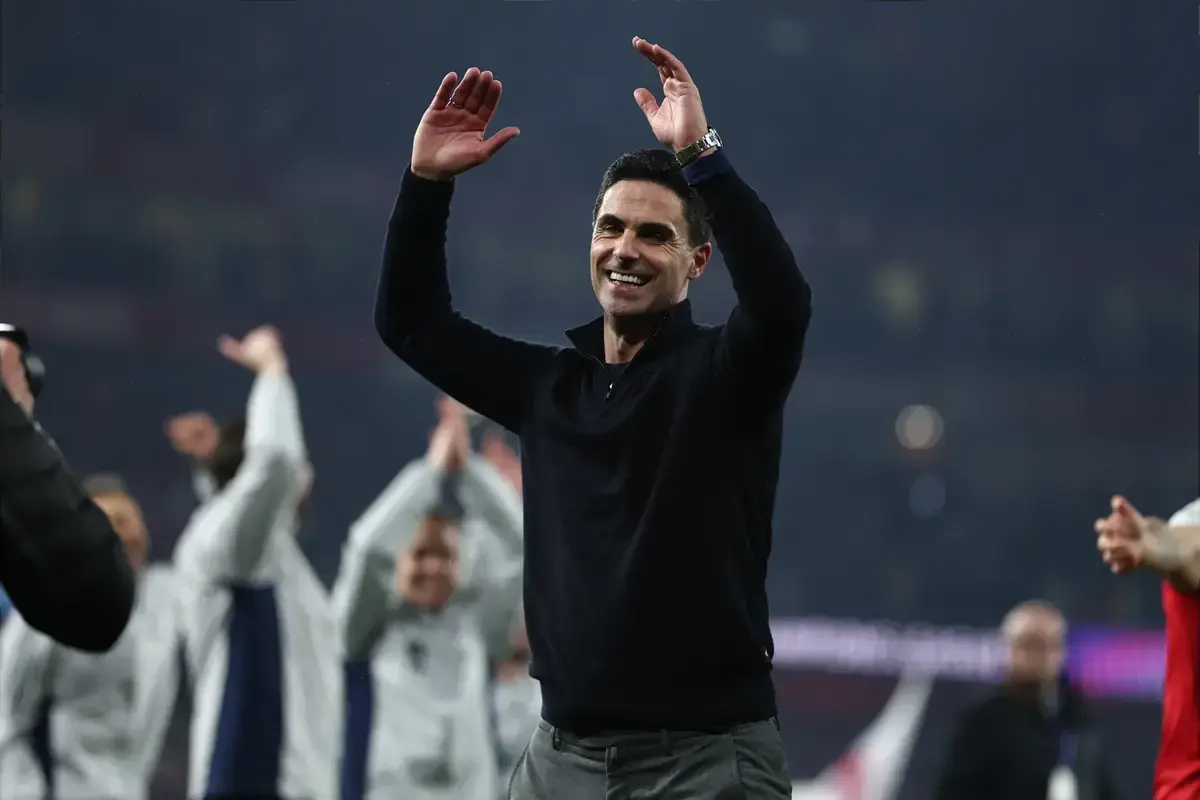
Among current managers, a pattern emerges. Pep Guardiola, a former Barcelona and Spain midfielder with multiple La Liga and Champions League titles, has become one of the greatest managers ever. His playing style as a deep-lying playmaker arguably shaped his philosophy. In contrast, Jürgen Klopp’s playing career was uninspiring—he played as a right-back for lower-league clubs in Germany and even managed his local team while still playing. Yet Klopp became a legendary figure at Liverpool. Mikel Arteta, a former Arsenal captain, is still early in his managerial career but shows promise. Meanwhile, managers like Brendan Rodgers (a former youth player) and Eddie Howe (a former defender with Bournemouth) have proven that dedication and tactical intelligence can outweigh a lack of glittering playing credentials.
What the Data Says
Statistical analysis by football researchers indicates that there is a weak correlation between playing career success and managerial performance. A study from the University of Liverpool found that managers who played at the highest level succeeded slightly more often than those who didn’t, but the difference was marginal. Personality traits like adaptability, communication, and resilience are far better predictors. However, managers who were top players often command more respect in the dressing room and attract better talent. For example, Patrick Vieira’s reputation allowed him to sign key players at Crystal Palace.
Conclusion: The Duality of Football Roles
The Premier League showcases both sides of the coin. While great players sometimes make great managers, it is by no means a guarantee. The game’s complexity demands a unique set of skills that are not learned on the pitch alone. As fans, we should celebrate both the stars who illuminate the touchline and the unsung players who become tactical masterminds. Ultimately, football is richer for this diversity of paths to the top.