
The £1.8bn Bailout Is a Bribe to Protect the Premier League's Cartel
The Premier League's £1.8bn offer to the EFL is not generosity. It is protection money, paid to keep the independent regulator at bay while the top flight hoards the wealth that made English football a global product.
Make no mistake: this deal is less about saving lower-league clubs and more about preserving the Premier League's monopoly on financial power.
The PSR Regime Has Made Owner Wealth the Only Competitive Advantage
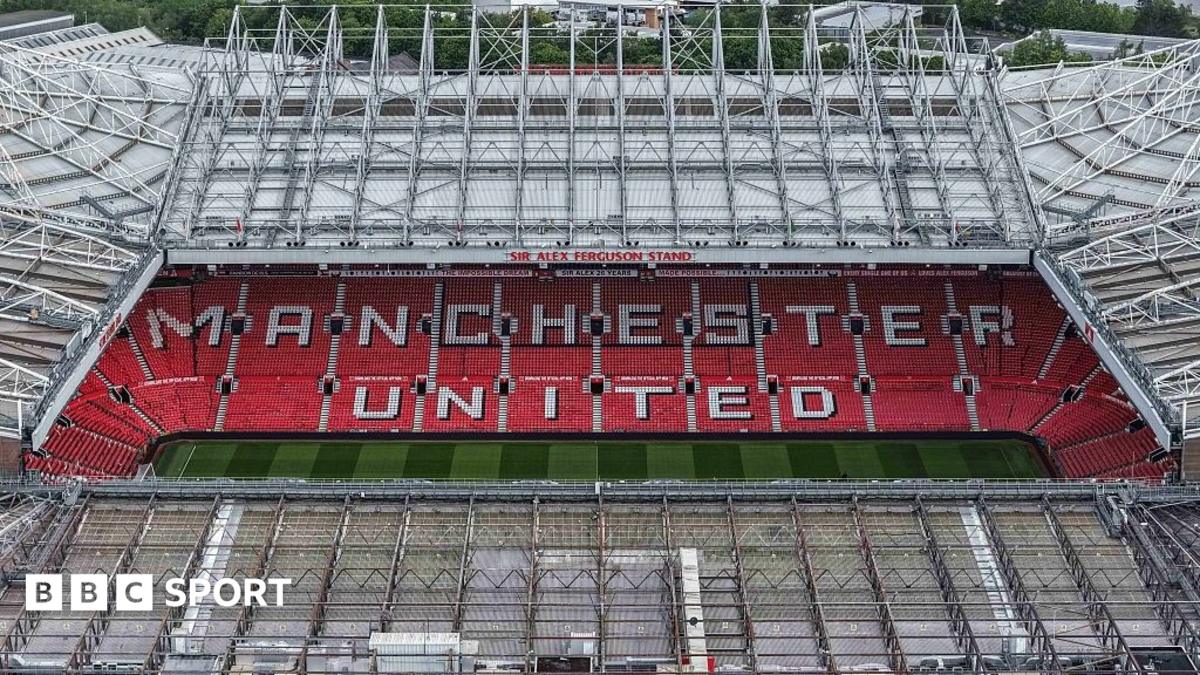
Profit and Sustainability Rules were sold as a safeguard against reckless spending. In practice, they have cemented the advantage of clubs with the deepest pockets. Manchester United's debt now stands at £1.15bn after another £90m loan and a £191.7m summer spree. Under PSR, that is not a crisis; it is a licence to spend.
Meanwhile, clubs without sovereign wealth or American private equity leverage are forced to sell their best players just to balance the books. The rules punish ambition and reward inherited advantage. Consider the summer: Premier League clubs spent €4.6bn, more than the next eight European leagues combined. That is not competitive balance; it is a financial arms race where only the richest survive.
The EFL's £1.8bn, spread over six years, is a pittance compared to the £3bn-plus that Premier League clubs will receive in central broadcast revenue alone in the same period. It is a gesture designed to buy time, not to solve the structural inequality that is killing the pyramid.
Stadium Revenue Is the New FFP Loophole
The real scandal is not points deductions but the creative accounting that allows clubs to comply. Stadium naming rights, hotel sales, and related-party transactions have become the favoured tools of the financial doping class. Chelsea sold two hotels to a sister company to record a £76.5m profit and avoid PSR breaches. Manchester City have 115 charges hanging over them, yet continue to spend with impunity.
The Premier League's enforcement is selective and slow. Everton and Nottingham Forest were deducted points for minor breaches while the giants operate with impunity. The message is clear: if you are rich enough, the rules bend.
- Manchester United can borrow £90m and spend £191.7m in a single summer while carrying £1.15bn of debt.
- Chelsea can sell hotels to themselves to turn a PSR profit, a trick unavailable to smaller clubs.
- Everton and Nottingham Forest were hit with points deductions for far smaller breaches, proving the system punishes the weak.
This is not financial fair play. It is financial survival of the fittest, where fitness is measured in balance-sheet size, not football acumen.
The Independent Regulator Is the Only Real Solution
The Premier League's sudden willingness to negotiate with the EFL is not a change of heart. It is a calculated move to pre-empt the independent regulator, whose powers could force a redistribution of wealth and a cap on spending. The joint call for FIFA reform by the Premier League, Bundesliga, La Liga, and Serie A shows that the top clubs are terrified of losing control.
They should be. The regulator, if properly empowered, could impose a salary cap, enforce real financial fair play, and ensure that the money generated by the Premier League is shared more equitably. The £1.8bn offer is a desperate attempt to avert that outcome.
The Verdict: A Deal That Changes Nothing
This £1.8bn will be swallowed by parachute payments and operating costs within a few years. It will not stop clubs from going into administration. It will not create a more competitive EFL. It will not address the fundamental imbalance between the Premier League and the rest.
By the end of the 2027/28 season, at least two more EFL clubs will enter administration, and the independent regulator will have been forced to intervene. The Premier League's bailout will be remembered as a footnote, not a fix. The only way to save English football is to break the cartel, not subsidise it.
Related Articles
Filed under: Opinion | LA Premier League Home