Pep Guardiola's £300m Rebuild is an Admission of Failure
The most expensive squad overhaul in Manchester City's history is not a statement of intent; it is a confession. Pep Guardiola, the self-appointed guardian of the possession gospel, has looked at his options and decided the kids are not alright. His cheque book, not his coaching manual, will be his salvation.
The Academy Myth Collapses
For a decade, City sold the dream of a self-sustaining dynasty built on the Etihad Campus. Patrick Vieira, Jason Wilcox, the great conveyor belt of youth talent. It was a beautiful fiction, polished by UEFA and the Premier League's FFP rules. But when the pressure is on, the footballing world's only true currency is success, and success is bought, not bred.
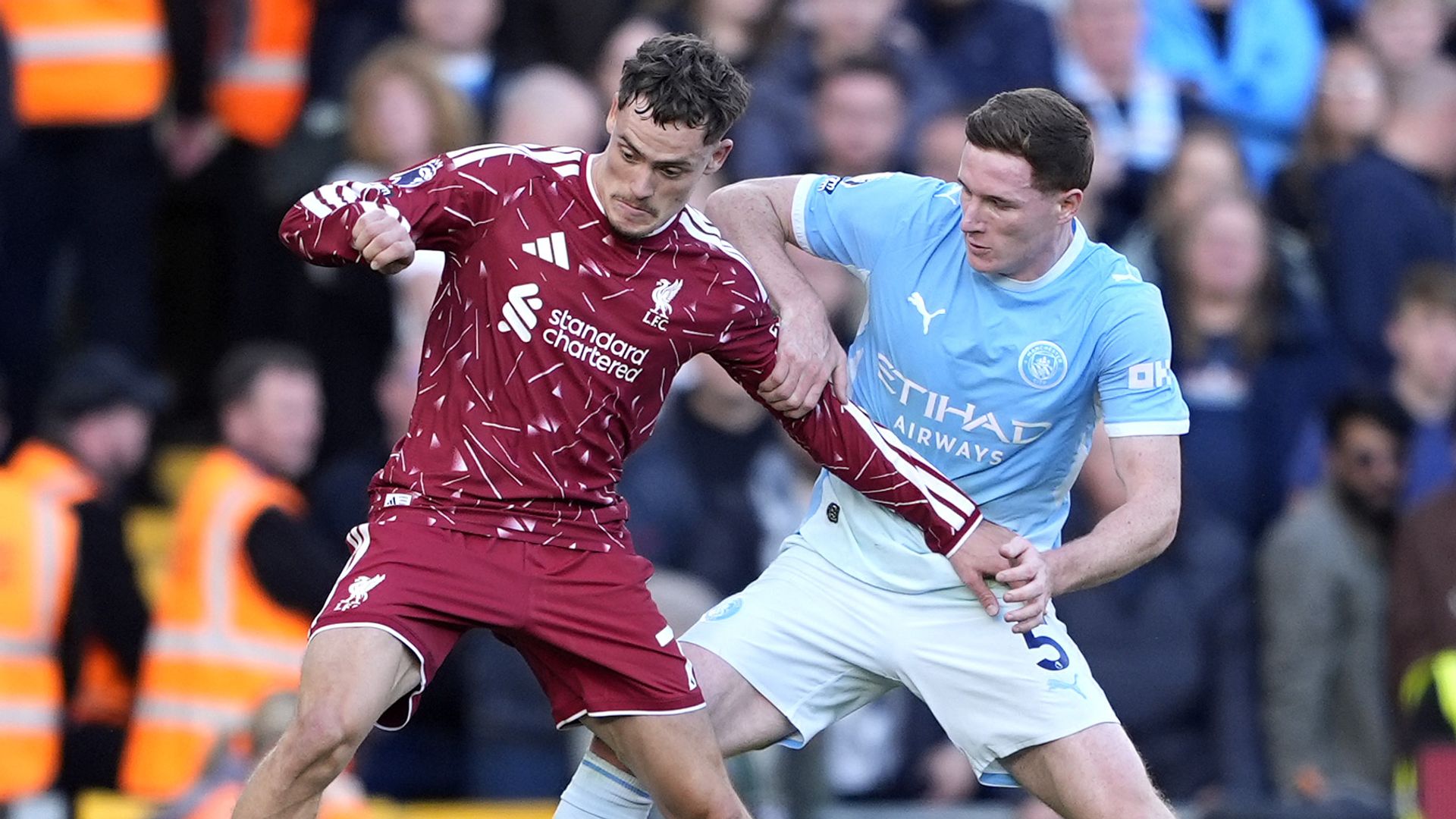
Look at the evidence. £86m for Enzo Fernandez. £85m for Savinho. A late move for Nico Gonzalez at Newcastle's behest, and a steady stream of loans and sales of academy graduates. The club's own kids — Rico Lewis, Cole Palmer, Liam Delap — have been marginalised or shipped out. Palmer's £40m exit to Chelsea in 2023 was a crime; his subsequent rise is the club's most damning indictment.
The Numbers Lie
City's net spend in the last three windows has approached £400m, a figure that would make Roman Abramovich blush. But the numbers don't tell the full story. This is not a rebuild; it is a patchwork. A midfield of ageing Rodri and new signings as understudies, not successors. A defence that conceded 28 goals in their title-winning campaign — a figure unthinkable in 2018.
- Enzo Fernandez: an £86m midfielder who plays in areas already occupied by Bernardo Silva and Foden.
- Savinho: an £85m winger who will spend a season adapting to the Premier League's physical demands.
- Nico Gonzalez: a midfielder City sold for £40m, then failed to reintegrate, now on Newcastle's radar.
But What About the Alternatives?
Optimists will argue that the market is a rational response to an unprecedented injury crisis. Rodri's Achilles rupture exposed the fragility of a squad built on 70-game seasons. But injuries are not random; they are the product of a system that demands excessive physical output. City's answer is to buy more bodies, not to change the system.
The counterargument also holds that elite clubs cannot gamble on youth when the margin for error is nil. Manchester United's decades-long reliance on youth was romantic until it became a crutch. But City's academy has produced genuinely world-class talents — Palmer, Lavia, Delap, Doyle — who were sold because they did not fit the immediate need. Pep has chosen the short-term fix over the long-term project, and the bill is now due.
The Reckoning
City will win the league again, likely this season, and the signing of Fernandez will be lauded as a masterstroke. But the deeper cost is cultural. The academy's best graduates know there is no path to the first team unless they are world-class at 18 and possess a £100m release clause. The message to every kid in Manchester is: your future is not at the Etihad.
By 2028, when this squad's peak has passed, City will need another £400m to rebuild. They will have spent more than £1bn in five years, with no academy success to show for it. And the next Pep Guardiola — a coach who wants to develop players, not just assemble them — will look at this Frankenstein's monster and shudder.
The specific, falsifiable prediction is this: within three years, Manchester City will have no academy graduate in their starting eleven for a single Premier League match-day squad. That is the price of atonement. It is a betrayal of the club's own stated philosophy, and the footballing world will watch, not with envy, but with the quiet satisfaction of seeing a giant fall for its own arrogance.
Related Articles
Filed under: Opinion | LA Premier League Home